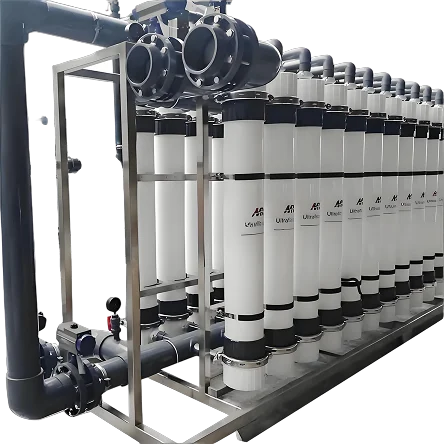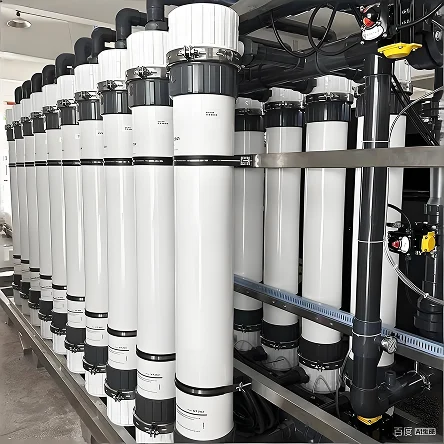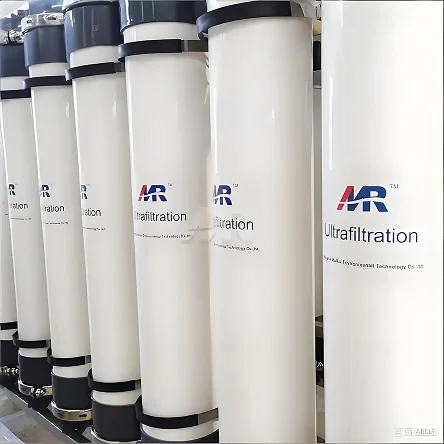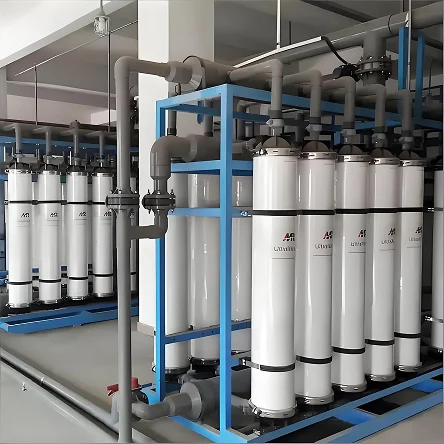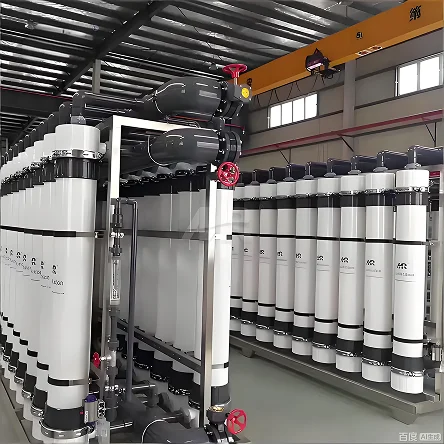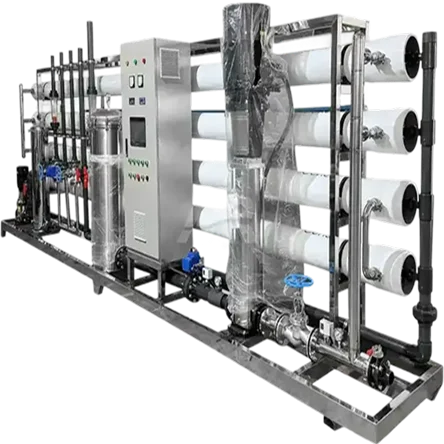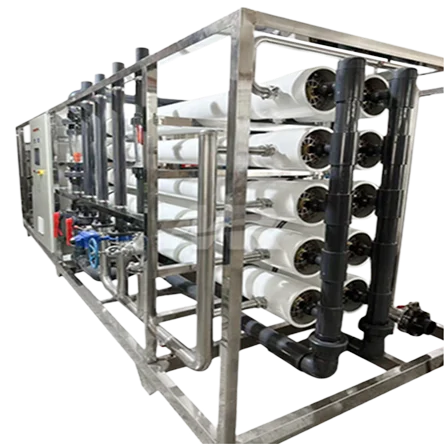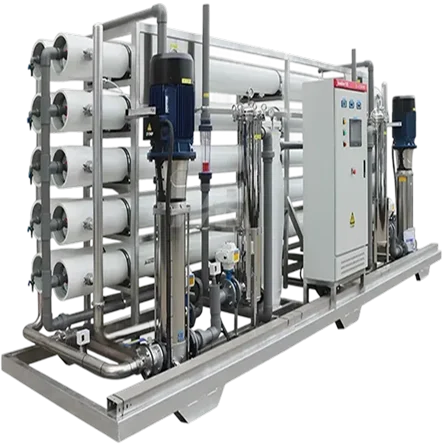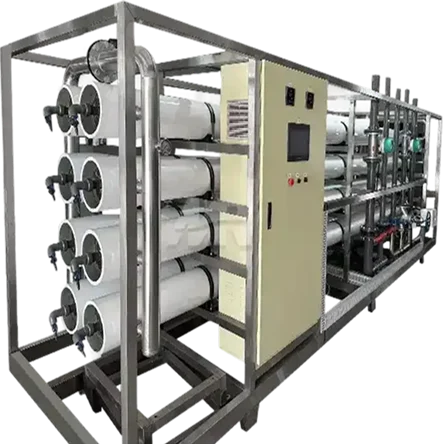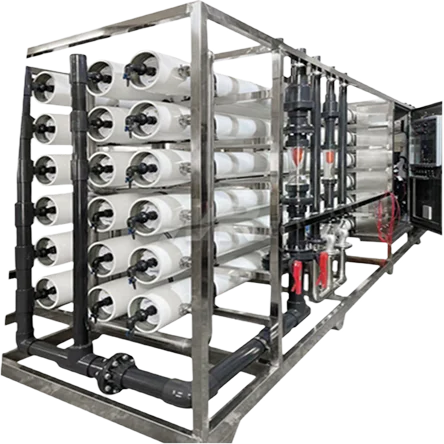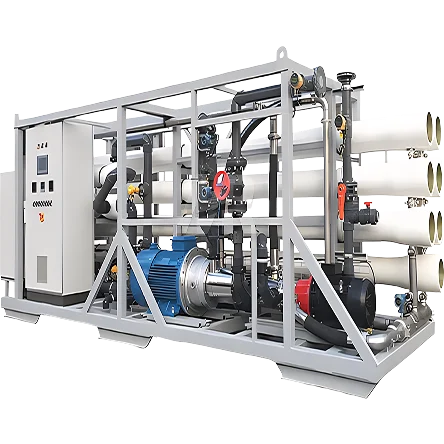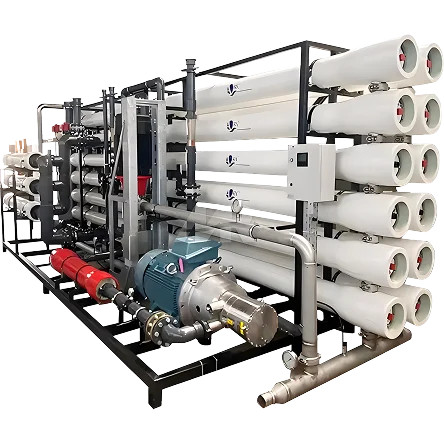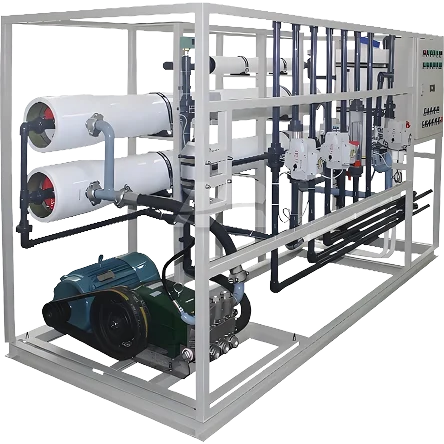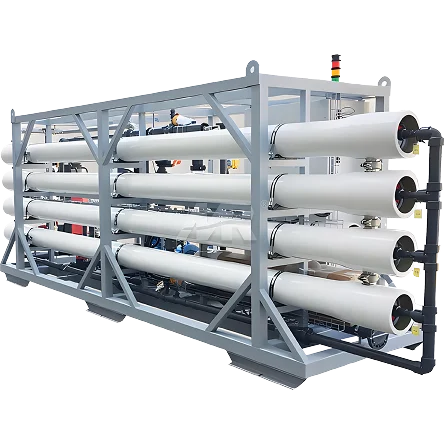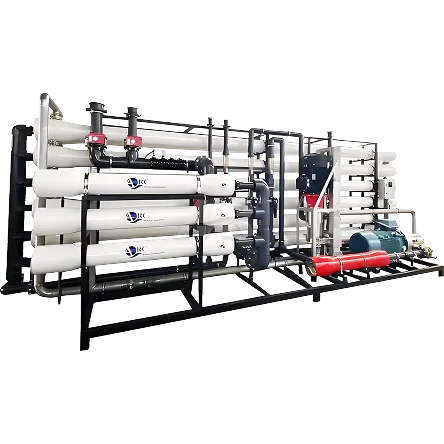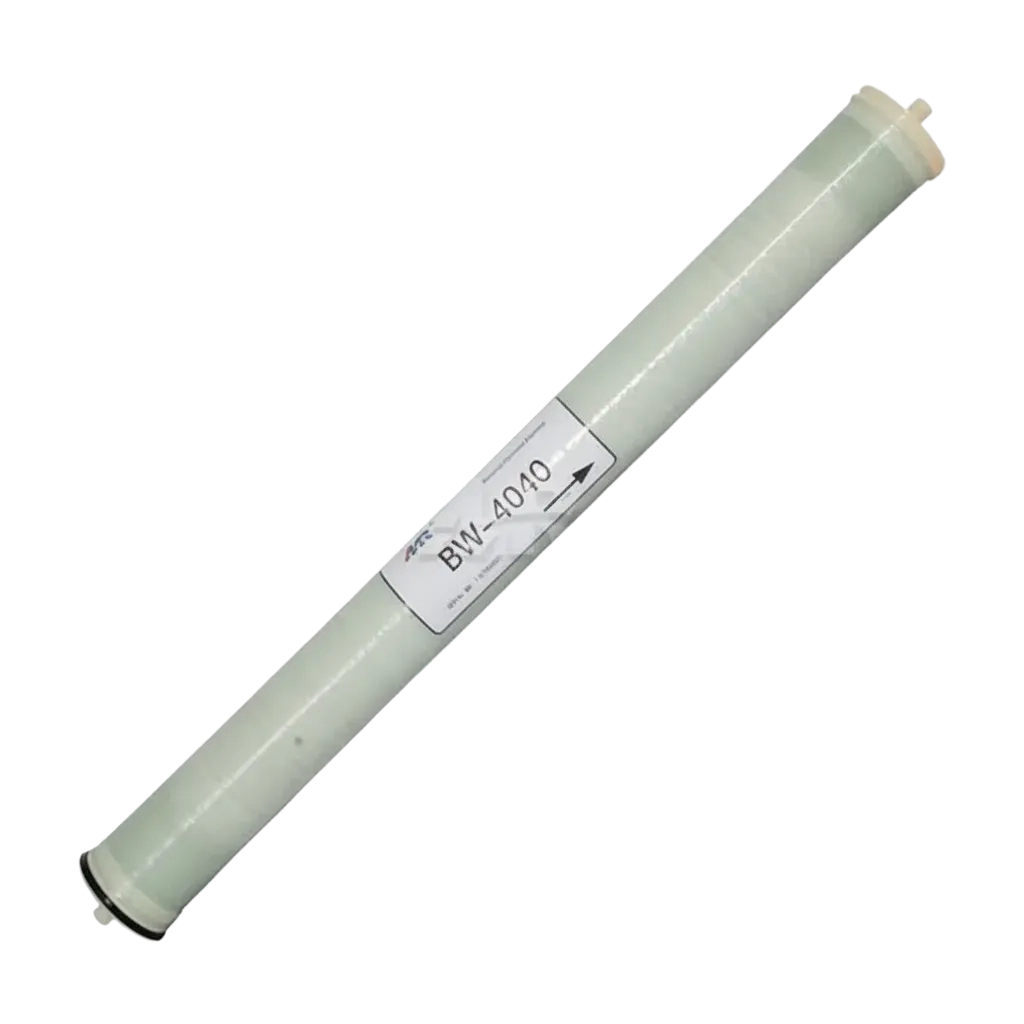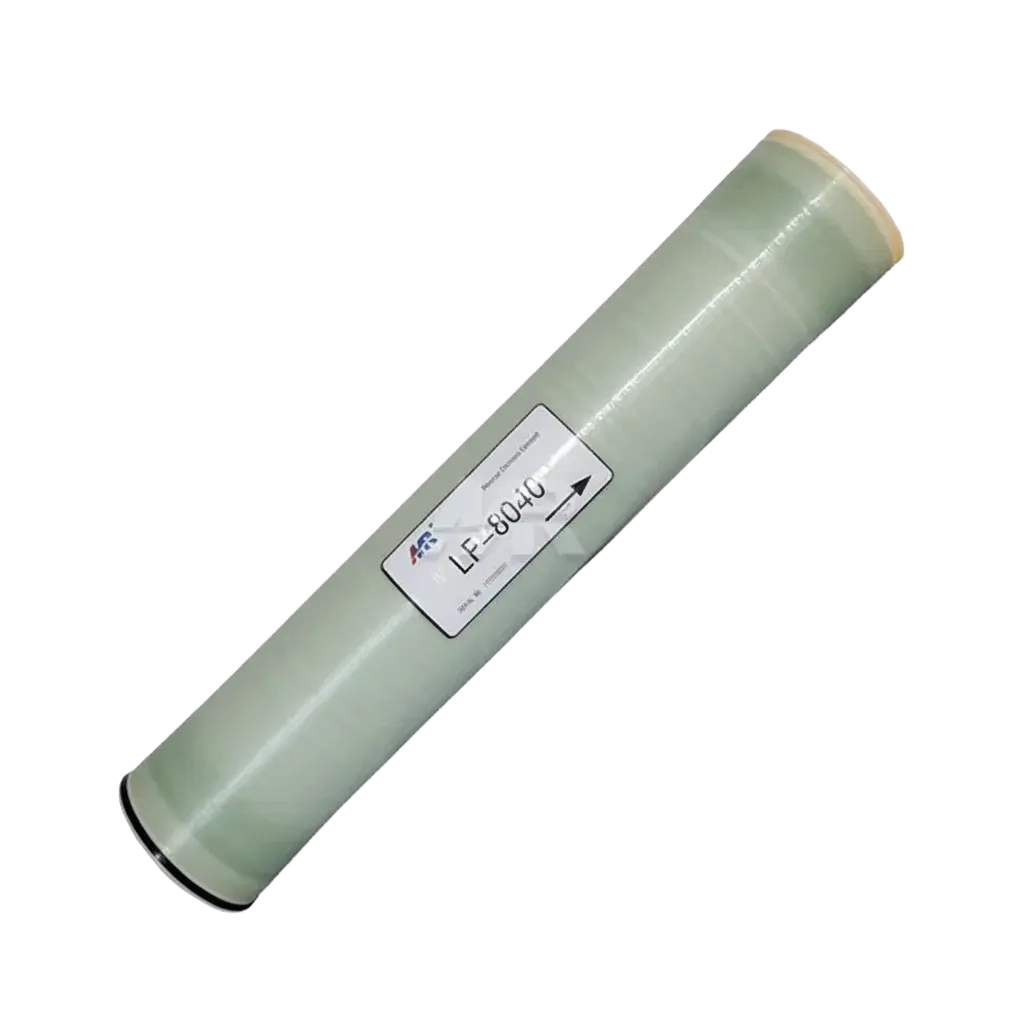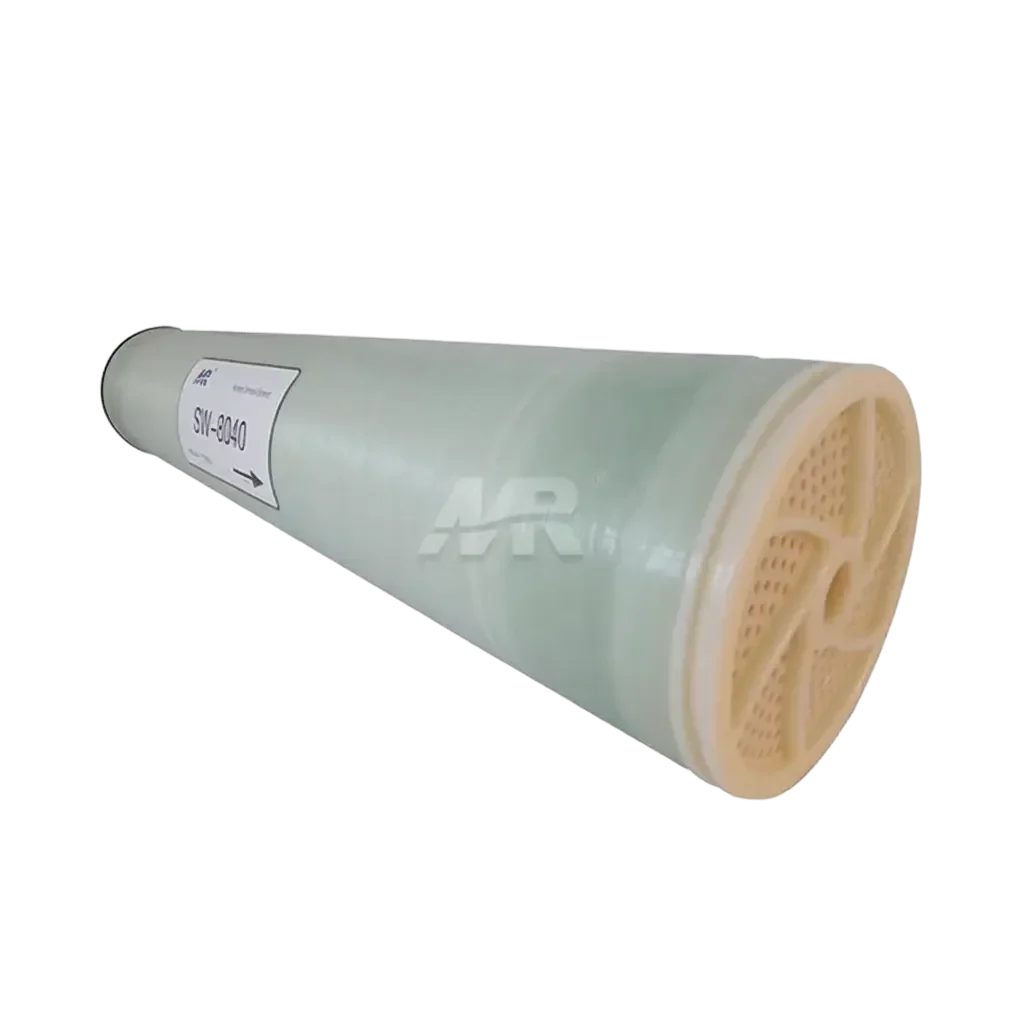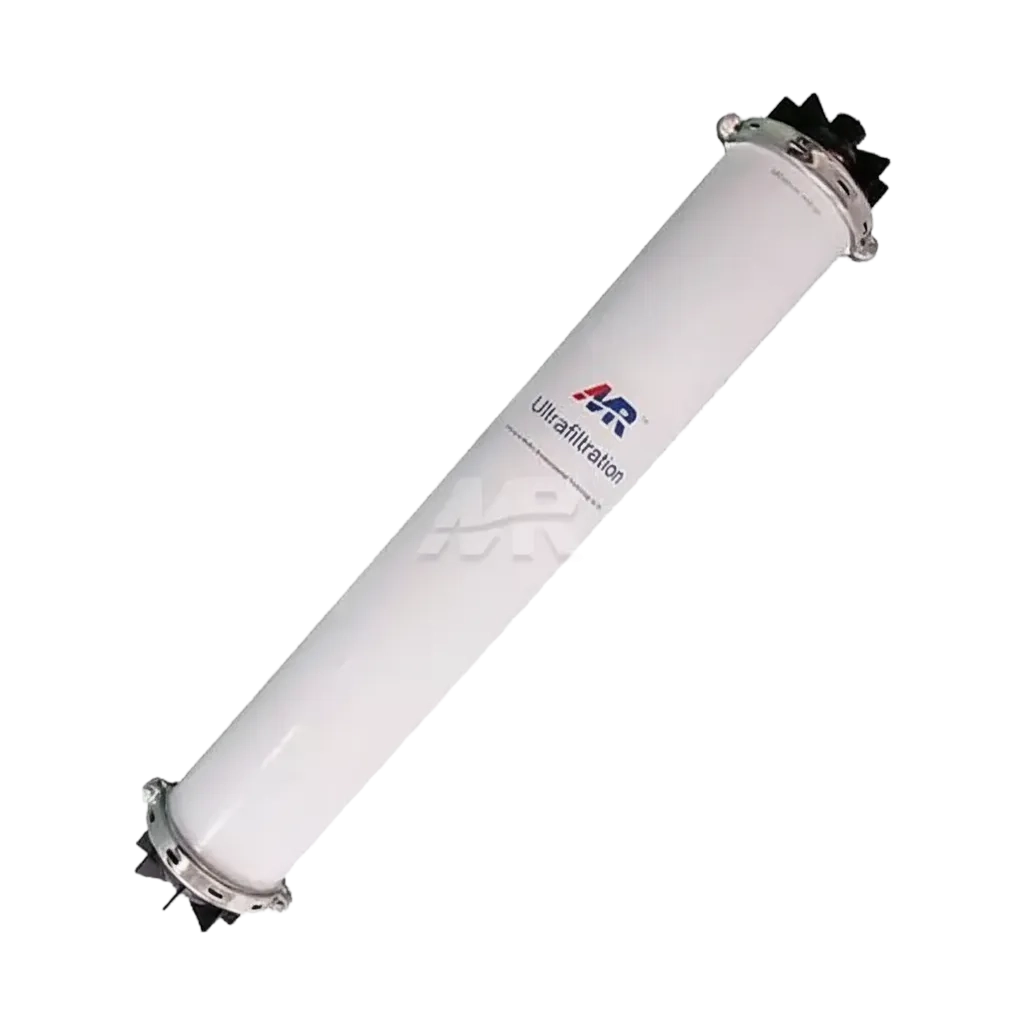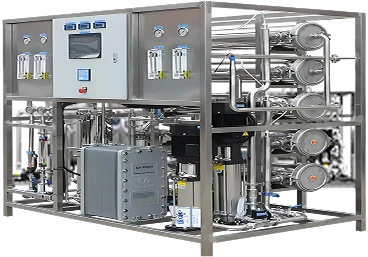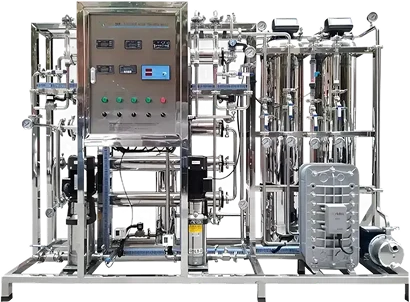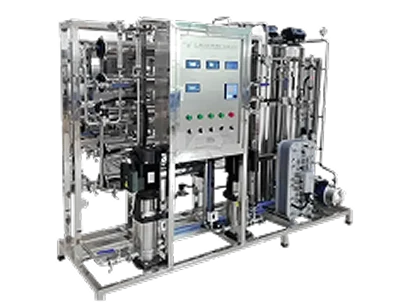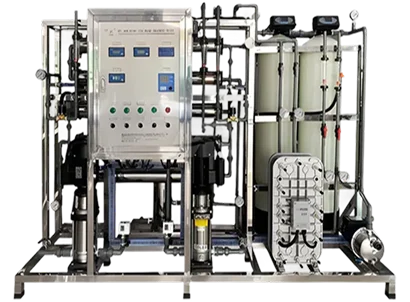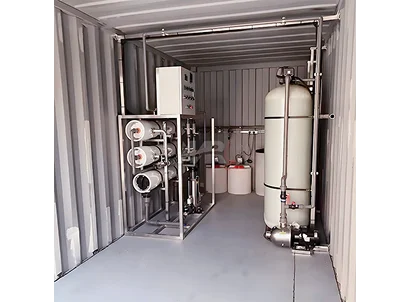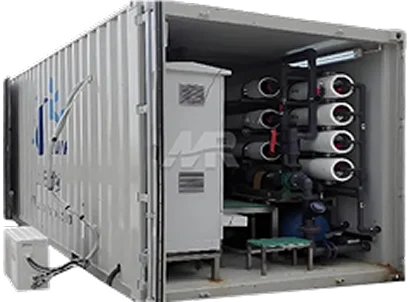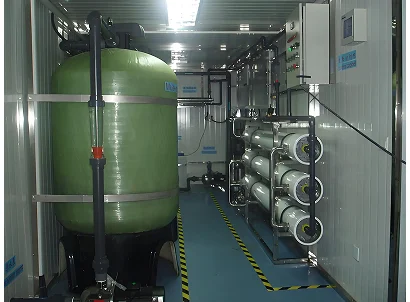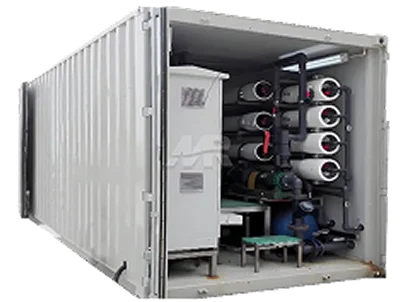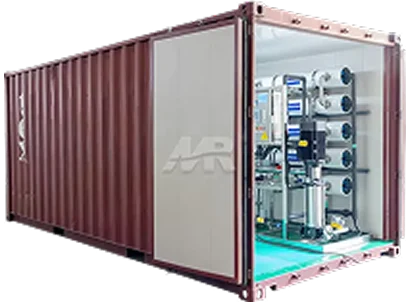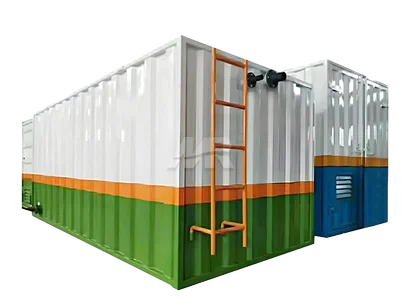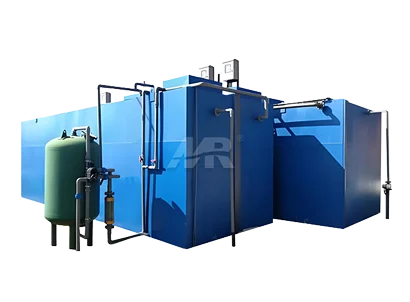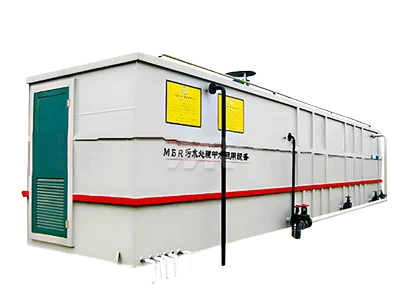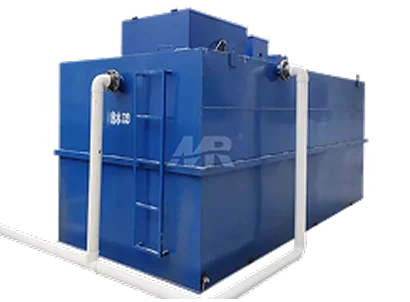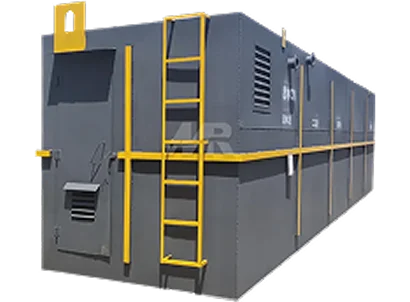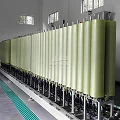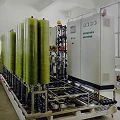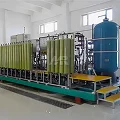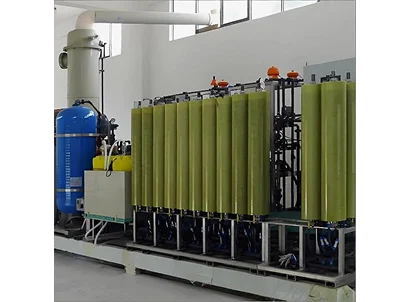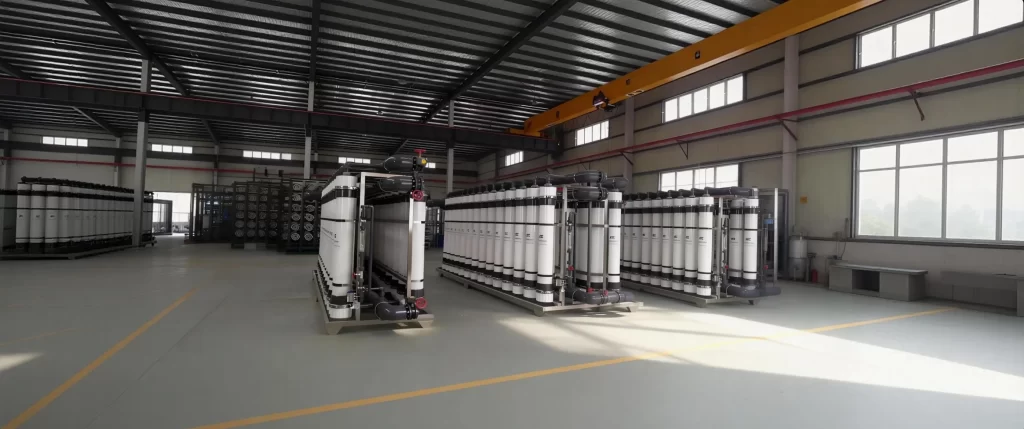





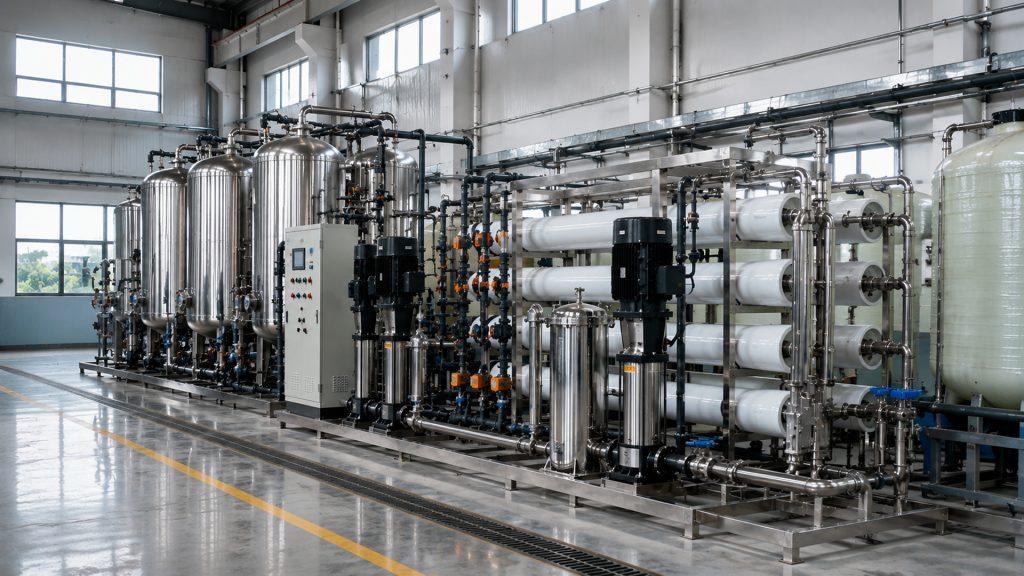
An RO System is a water treatment solution that uses reverse osmosis technology to remove dissolved salts, impurities, and contaminants from water. Understanding RO System components helps engineers and buyers evaluate system performance, maintenance needs, and long-term reliability. Key parts such as RO membranes, pretreatment units, high-pressure pumps, and control systems work together to ensure stable water quality and efficient operation for different industrial applications.
Key Components of an RO System and Their Functions
| RO System Component | Main Function | Impact on System Performance |
|---|---|---|
| RO Membrane | Removes dissolved salts, minerals, and contaminants through reverse osmosis filtration | Determines water quality, salt rejection rate, and purification efficiency |
| Pretreatment System | Removes suspended solids, chlorine, hardness, and organic matter before membrane filtration | Reduces fouling and scaling risks and extends membrane lifespan |
| High-Pressure Pump | Provides the pressure required for water to pass through the RO membrane | Affects water production capacity, energy consumption, and system efficiency |
| Pressure Vessel | Holds RO membrane elements and withstands high operating pressure | Ensures safe membrane operation and system stability |
| Control System | Monitors pressure, flow, conductivity, and water quality parameters | Improves automation, reliability, and operational control |
| Storage Tank & Post-Treatment | Stores treated water and adjusts final water quality | Ensures stable water supply and meets application requirements |
RO System Membrane: The Core Component for Water Purification
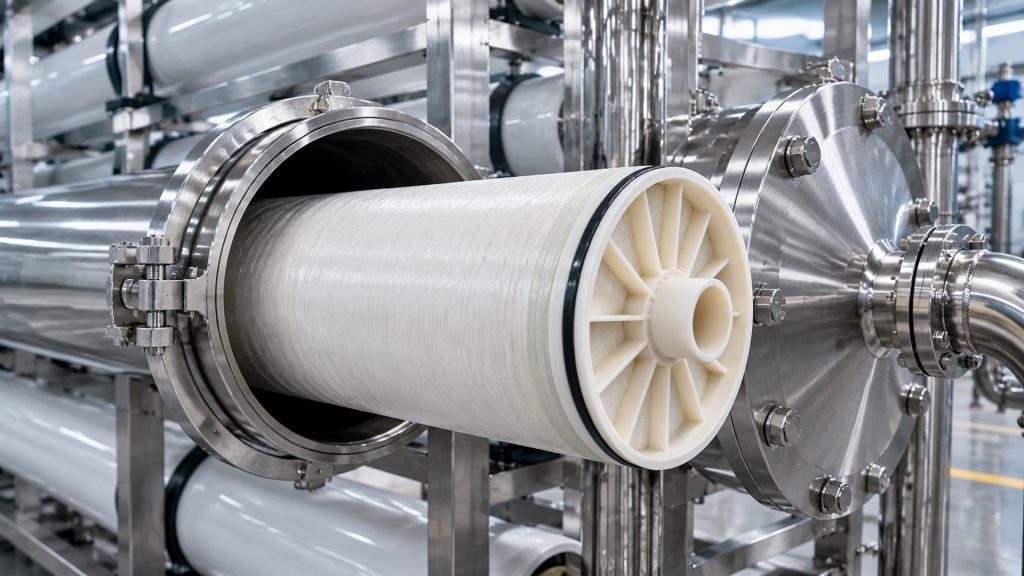
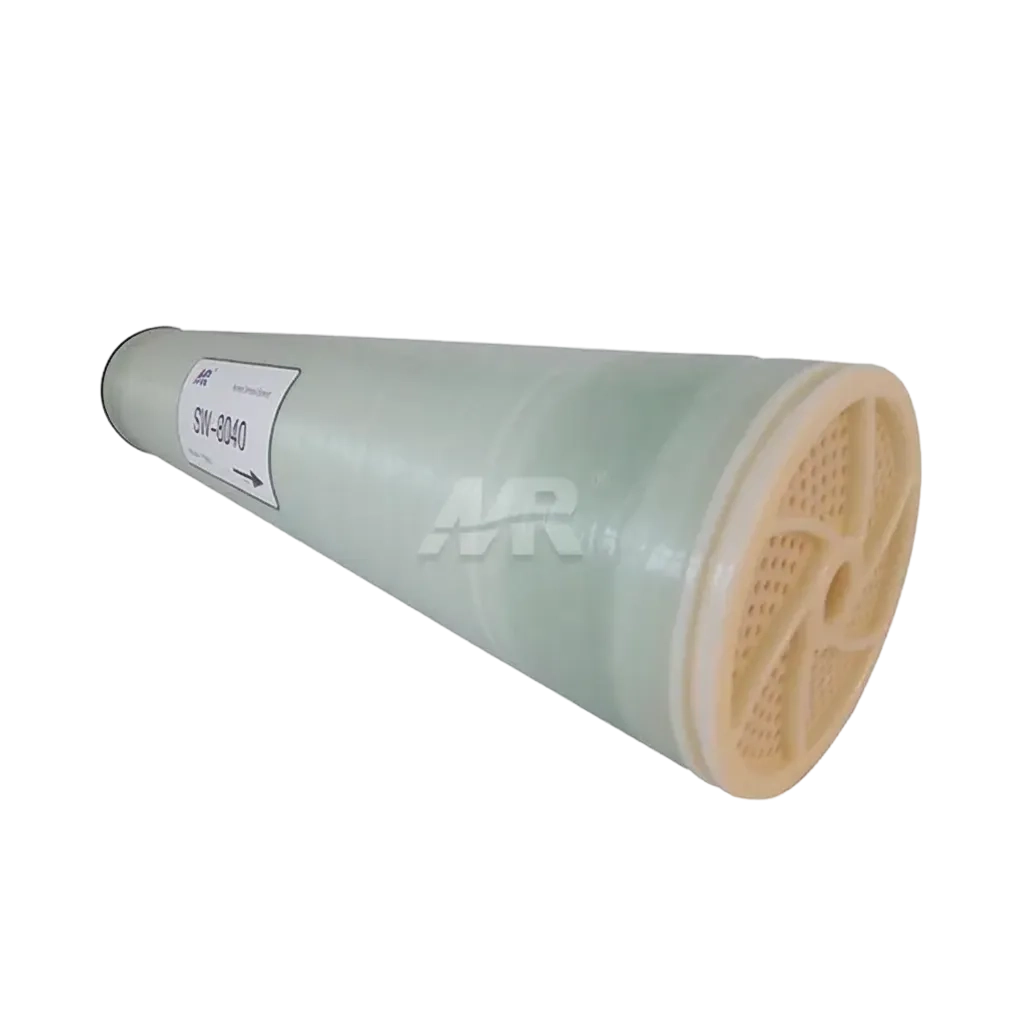
The RO System membrane is the key filtration component that removes dissolved solids, salts, and impurities from water. Under high pressure, water molecules pass through the semi-permeable membrane while unwanted substances are rejected. Membrane performance directly affects water quality, salt rejection rate, and system efficiency. Selecting the right membrane based on feedwater conditions and application requirements helps reduce fouling, extend membrane life, and maintain reliable RO System operation.
RO System Membrane Working Principle in the Reverse Osmosis Process
The RO System membrane works by using pressure to separate pure water molecules from dissolved contaminants through a semi-permeable membrane layer. During the reverse osmosis process, feedwater is pushed across the RO membrane surface, allowing water molecules to pass while rejecting salts, minerals, microorganisms, and other impurities. The efficiency of an RO System depends greatly on membrane performance, including salt rejection rate, water permeability, and resistance to fouling.
Factors Affecting RO System Membrane Performance and Lifespan
The performance and lifespan of an RO System membrane are influenced by several operating conditions, including feedwater quality, pressure, temperature, and pretreatment effectiveness. High levels of suspended solids, organic matter, or hardness minerals can increase fouling and scaling risks, reducing membrane efficiency and water quality. Proper pretreatment, regular monitoring, and suitable operating parameters help protect the RO membrane and maintain stable RO System performance. By optimizing these factors, users can improve membrane durability, reduce maintenance costs, and ensure reliable water treatment operation.
Feedwater Quality Impact on RO System Membrane Performance
Feedwater quality is one of the most important factors affecting RO System membrane performance and operating stability. Parameters such as total dissolved solids (TDS), hardness, organic matter, and suspended particles can influence membrane fouling and scaling risks. Poor feedwater conditions may reduce water production capacity and shorten membrane service life. By analyzing feedwater characteristics and applying suitable pretreatment methods, an RO System can maintain stable filtration performance, improve membrane efficiency, and achieve consistent treated water quality.
Maintenance Strategies for Extending RO System Membrane Lifespan
Proper maintenance is essential for extending the lifespan of an RO System membrane and maintaining reliable water treatment performance. Regular monitoring of pressure, flow rate, and water quality helps identify potential problems before they affect system operation. Periodic membrane cleaning, fouling control, and optimized operating conditions can reduce performance decline over time. Effective maintenance practices allow the RO System to operate efficiently, lower replacement costs, and ensure long-term membrane reliability in industrial applications.
Types of RO Membranes Used in an RO System
Common Types of RO System Membranes
| RO Membrane Type | Application | Key Characteristics |
|---|---|---|
| Brackish Water RO Membrane | Groundwater and industrial water treatment | Suitable for moderate salinity water with high salt rejection |
| Seawater RO Membrane | Seawater desalination applications | Designed for high-pressure operation and high salt removal |
| Industrial RO Membrane | Factory water purification and process water treatment | Provides stable performance for continuous operation |
| High-Purity RO Membrane | Electronics, pharmaceutical, and laboratory industries | Designed for applications requiring strict water quality standards |
Different types of RO membranes are used in an RO System depending on water sources, treatment goals, and operating conditions. Common membrane types include brackish water RO membranes, seawater RO membranes, and high-performance membranes for industrial applications. Each membrane has different characteristics in terms of salt rejection rate, water permeability, and fouling resistance. Selecting the suitable RO membrane helps the RO System achieve better purification efficiency, stable operation, and longer service life. Proper membrane selection based on feedwater quality and application requirements is essential for reliable water treatment performance.
RO System Pretreatment: Protecting Membrane Performance
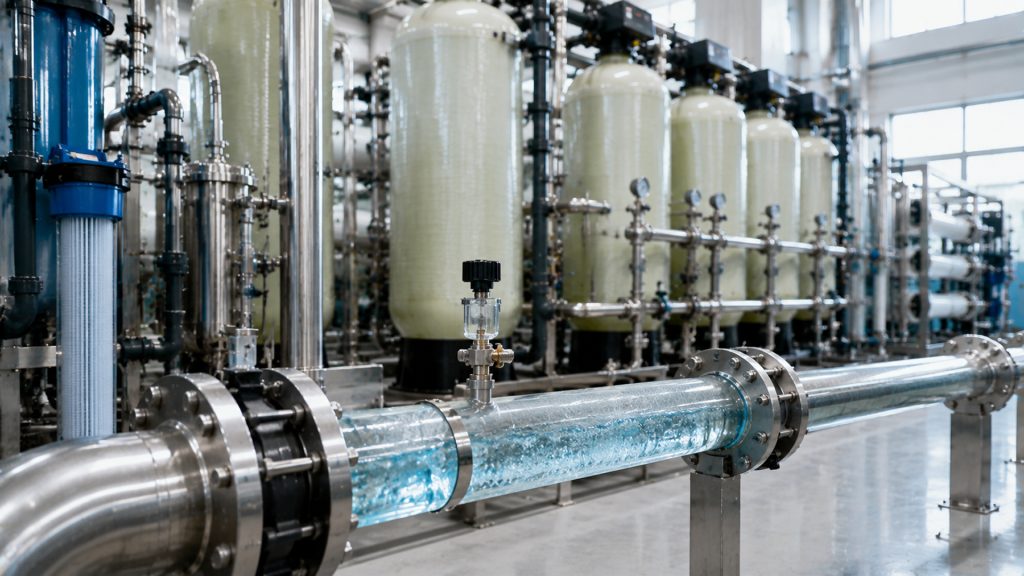
The RO System pretreatment unit prepares feedwater before it enters the membrane stage. It removes suspended particles, organic matter, hardness, and other substances that may cause fouling or scaling. Common methods include filtration, softening, activated carbon treatment, and chemical dosing. Proper pretreatment improves membrane protection, reduces maintenance frequency, and helps the RO System achieve stable performance with consistent treated water quality.
RO System Pretreatment Methods for Membrane Protection
RO System pretreatment plays a critical role in protecting the RO membrane by removing contaminants that may affect filtration performance. Before water enters the membrane stage, pretreatment processes reduce suspended solids, organic compounds, chlorine, and hardness minerals that can cause fouling or scaling. A properly designed RO System pretreatment solution helps maintain stable water flow, improve salt rejection performance, and extend membrane service life. By matching pretreatment methods with feedwater conditions, users can improve system reliability and reduce long-term maintenance requirements.
Common Pretreatment Methods Used in an RO System
Common Pretreatment Methods for an RO System
| Pretreatment Method | Removes | Benefits for RO System |
|---|---|---|
| Multimedia Filtration | Suspended solids and particles | Protects membrane surface from fouling |
| Activated Carbon Filtration | Chlorine and organic compounds | Prevents membrane damage and improves water quality |
| Water Softening | Calcium and magnesium ions | Reduces scaling risk on RO membranes |
| Cartridge Filtration | Fine particles | Provides final protection before membrane filtration |
| Chemical Dosing | Scale-forming substances | Improves membrane stability and operating efficiency |
Different RO System applications require suitable pretreatment methods based on feedwater quality and operating conditions. Common solutions include multimedia filtration for removing suspended particles, activated carbon filtration for reducing organic matter and chlorine, water softening for controlling hardness, and chemical dosing for preventing scaling. These pretreatment processes work together to create better feedwater conditions for the RO membrane. Selecting the right pretreatment configuration helps the RO System achieve higher efficiency, stable operation, and consistent treated water quality.
Activated Carbon Filtration in RO System Pretreatment
Activated carbon filtration is an important pretreatment step in an RO System, especially when feedwater contains chlorine, organic compounds, or unpleasant odors. Activated carbon removes chlorine and organic contaminants that may damage the RO membrane and reduce filtration performance. By improving feedwater quality before the membrane stage, this process helps prevent membrane degradation and maintain stable operation. Properly designed activated carbon filtration supports longer membrane lifespan, reduces maintenance needs, and improves the overall reliability of the RO System.
Water Softening Support in RO System Pretreatment
Water softening is an important pretreatment method in an RO System, especially when feedwater contains high levels of hardness minerals such as calcium and magnesium. These minerals may cause scaling on the RO membrane surface and reduce filtration efficiency. By removing hardness before water enters the membrane stage, softening systems help prevent scaling, improve membrane performance, and extend service life. Proper water softening design allows the RO System to operate more efficiently and maintain stable water quality during long-term operation.
RO System High-Pressure Pump: Providing Required Pressure
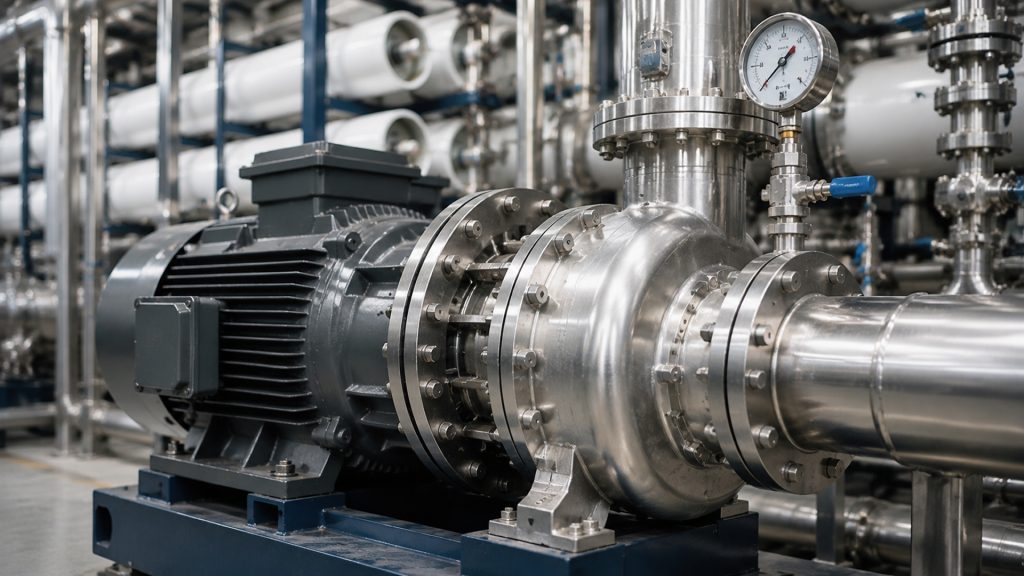
The high-pressure pump is an essential component of an RO System because it provides the pressure needed for reverse osmosis filtration. Proper pump selection affects water production capacity, energy consumption, and overall system efficiency. The pump must match feedwater conditions, flow requirements, and operating pressure. A reliable high-pressure pump ensures stable water flow and supports efficient RO System operation in industrial water treatment applications.
How Does a High-Pressure Pump Support RO System Operation?
The high-pressure pump is a key power component in an RO System, providing the pressure required to push feedwater through the RO membrane. Since reverse osmosis relies on pressure to overcome osmotic pressure, pump performance directly affects water production, filtration efficiency, and treated water quality. A properly operating high-pressure pump helps maintain stable flow, optimize membrane performance, and improve overall RO System reliability. Selecting a pump with suitable pressure and flow capacity ensures efficient operation and reduces unnecessary energy consumption in industrial water treatment processes.
Key Selection Factors for an RO System High-Pressure Pump
Factors Affecting RO System High-Pressure Pump Selection
| Selection Factor | Why It Matters |
|---|---|
| Operating Pressure | Determines whether water can pass through the RO membrane effectively |
| Flow Rate | Affects system production capacity and water output |
| Energy Efficiency | Influences long-term operating costs |
| Material Compatibility | Ensures durability under different water conditions |
| Pump Reliability | Reduces downtime and maintenance requirements |
Choosing the right pump for an RO System requires careful evaluation of feedwater conditions, system capacity, operating pressure, and energy efficiency requirements. The pump should be matched with membrane specifications and the expected water production rate to achieve stable performance. Factors such as material durability, pressure control, and operating environment also influence pump reliability. A suitable high-pressure pump helps the RO System maintain consistent water output, reduce operating costs, and support long-term performance in industrial applications.
Pump Pressure Requirements for Efficient RO System Operation
The pressure requirement of an RO System pump depends on factors such as feedwater quality, membrane type, salt concentration, and system design. A high-pressure pump must provide sufficient pressure to overcome osmotic pressure and maintain proper water flow through the RO membrane. If the pressure is too low, water production and filtration efficiency may decrease. Selecting the correct pressure level helps the RO System achieve stable performance while avoiding unnecessary energy consumption and improving overall system efficiency.
Energy Efficiency Considerations for RO System High-Pressure Pumps
Energy consumption is an important factor when selecting a high-pressure pump for an RO System, especially in industrial applications with continuous operation. An efficient pump design can reduce power usage while maintaining the required operating pressure and water production capacity. Factors such as pump efficiency, motor performance, flow control, and operating conditions should be considered during system design. Optimizing pump energy performance helps lower operating costs and improves the long-term economic value of the RO System.
How Pump Materials Affect RO System Reliability
The materials used in an RO System high-pressure pump directly influence durability, corrosion resistance, and service life. Different feedwater conditions may require pumps made from suitable materials to handle varying levels of salinity, chemicals, or contaminants. Selecting corrosion-resistant and reliable pump materials reduces equipment failure risks and maintenance requirements. Proper material selection ensures stable pump operation and supports the long-term reliability of the entire RO System, particularly in demanding industrial water treatment environments.
Pump Performance Impact on RO System Efficiency
The performance of a high-pressure pump directly influences the efficiency and reliability of an RO System. A properly selected pump maintains suitable operating pressure, ensures stable water flow, and supports effective membrane filtration. Poor pump performance may lead to reduced water production, higher energy consumption, and unstable system operation. By optimizing pump capacity, pressure control, and energy efficiency, an RO System can achieve better treatment results while reducing long-term operating costs in industrial water treatment applications.
RO System Pressure Vessel: Supporting Membrane Operation
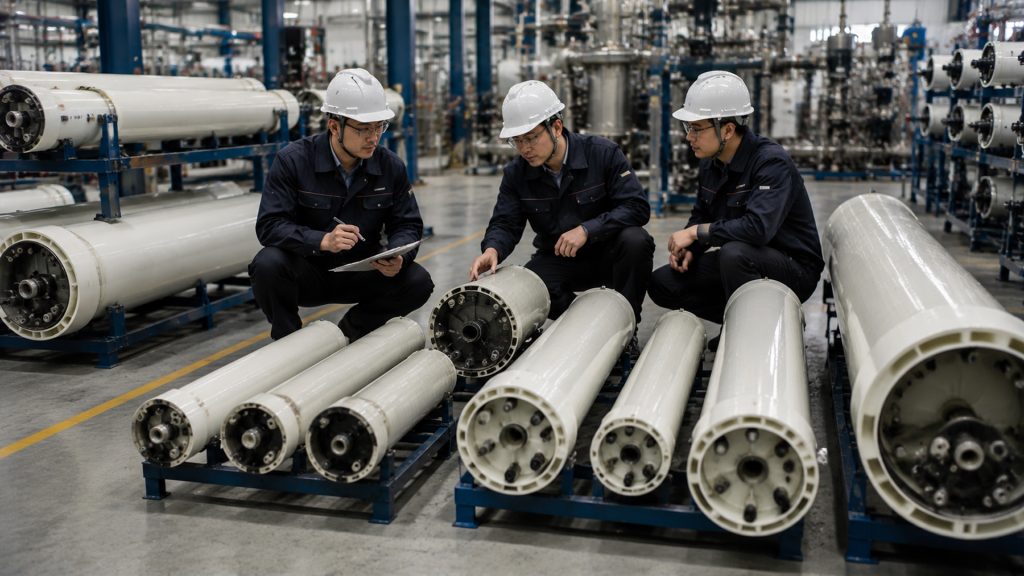
The pressure vessel is a protective housing that contains RO membrane elements and withstands high operating pressure. It ensures proper water flow through the membrane surface while protecting the membrane components during operation. The design, material, and pressure rating of the vessel influence system safety and durability. A suitable pressure vessel helps maintain stable RO System performance and extends the service life of membrane elements.
RO System Pressure Vessel Protection for Membrane Elements
The RO System pressure vessel is designed to hold membrane elements and provide a secure environment for reverse osmosis operation. During the filtration process, the vessel withstands high pressure while maintaining proper water flow through the membrane surface. It protects RO membranes from mechanical stress and helps ensure stable filtration performance. A reliable pressure vessel supports consistent water production, improves system safety, and extends membrane service life. In industrial RO System applications, selecting a suitable pressure vessel is essential for maintaining long-term equipment reliability.
Key Selection Factors for an RO System Pressure Vessel
Selecting the right pressure vessel for an RO System requires consideration of operating pressure, membrane configuration, material quality, and application requirements. The vessel must have sufficient pressure resistance to safely contain membrane elements during continuous operation. Factors such as corrosion resistance, durability, and compatibility with different membrane sizes also affect system performance. A properly selected pressure vessel helps reduce operational risks, protect RO membranes, and ensure the RO System delivers stable and efficient water treatment performance.
RO System Control System: Monitoring and Optimizing Performance
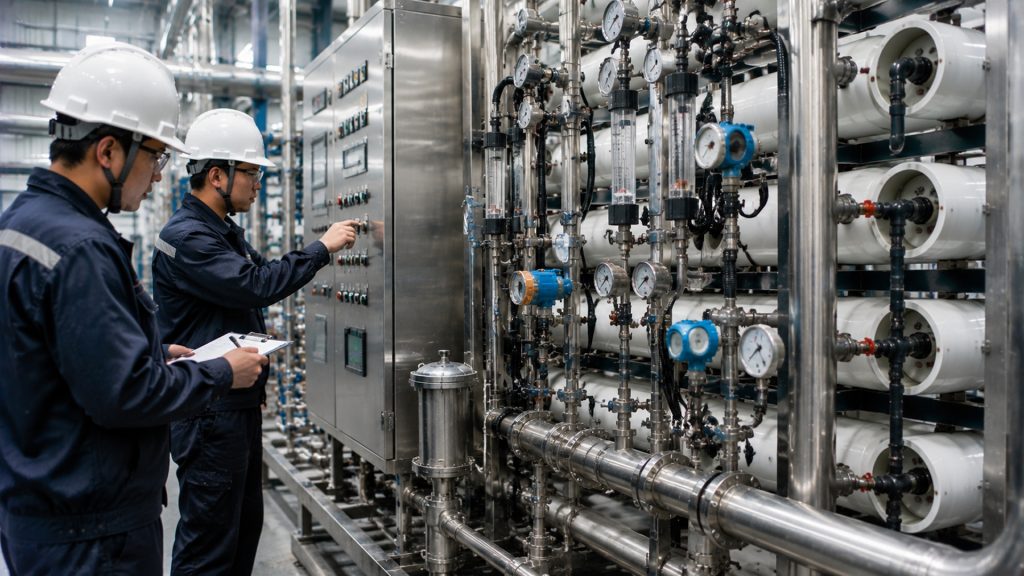
The control system helps maintain stable RO System operation by monitoring important parameters such as pressure, flow rate, and water quality. Devices including pressure gauges, flow meters, and conductivity sensors provide real-time operating information. These monitoring tools help detect problems, improve efficiency, and reduce downtime. A reliable control system allows operators to optimize performance and ensure consistent water quality in long-term RO System applications.
Key Monitoring Parameters of an RO System Control System
The RO System control system monitors key operating parameters to ensure stable and efficient water treatment performance. Important data such as feed pressure, operating pressure, flow rate, conductivity, and water quality indicators help operators understand system conditions in real time. By continuously tracking these parameters, the control system can identify abnormal operation, prevent potential issues, and maintain consistent treated water quality. Effective monitoring is especially important for industrial RO System applications that require reliable performance, continuous operation, and reduced maintenance requirements.
RO System Control System Optimization for Improved Operation Efficiency
An advanced RO System control system improves efficiency by automating operation management and optimizing system performance. Through real-time data collection and automatic adjustments, the control system helps maintain proper pressure, flow balance, and water quality output. It reduces manual operation requirements, minimizes downtime, and supports preventive maintenance. For industrial applications, a reliable control system allows the RO System to operate more consistently while reducing energy consumption and operating costs. Proper control integration ensures long-term reliability and stable water treatment results.
Automation Benefits for RO System Operation
Automation technology improves RO System operation by reducing manual adjustments and maintaining stable treatment conditions. Automated control systems can monitor pressure, flow rate, conductivity, and other important parameters in real time. When abnormal conditions occur, the system can provide alerts or automatically adjust operating settings. This improves operational safety, reduces downtime, and helps maintain consistent water quality. For industrial applications, automation allows the RO System to achieve higher reliability and more efficient long-term performance.
RO System Storage and Post-Treatment: Improving Water Quality
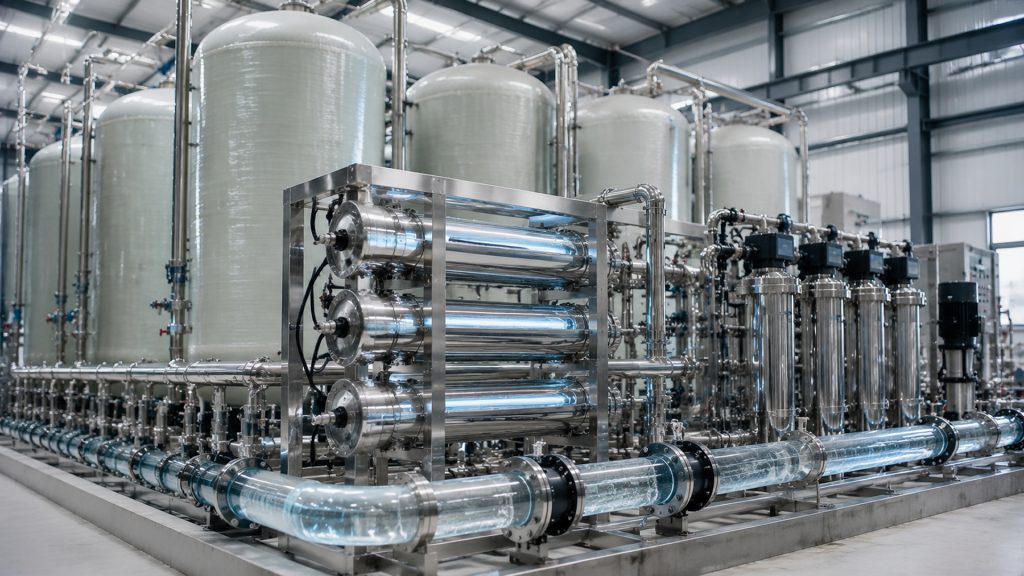
Storage tanks and post-treatment units support the final performance of an RO System after filtration. Storage tanks provide a stable treated water supply, while post-treatment processes adjust water characteristics for specific applications. Common solutions include UV sterilization, pH adjustment, and final filtration. These components help maintain consistent water quality and allow the RO System to meet different industrial and commercial water treatment requirements.
RO System Storage Tank Management for Stable Treated Water Supply
The RO System storage tank plays an important role in managing treated water after the reverse osmosis process. It provides a stable water supply for downstream applications and helps balance variations between water production and consumption. A properly designed storage tank protects treated water quality by reducing contamination risks and maintaining suitable storage conditions. In industrial RO System applications, selecting the right tank capacity and material ensures reliable operation, supports continuous water availability, and improves the overall efficiency of the water treatment system.
Common Post-Treatment Methods Used in an RO System
Post-treatment processes are used in an RO System to further improve treated water quality according to specific application requirements. Common methods include UV sterilization, pH adjustment, mineral adjustment, and final filtration. These processes help control remaining microorganisms, stabilize water characteristics, and achieve the required quality standards for different industries. By combining suitable post-treatment solutions with the RO System, users can obtain more consistent water quality, improve system reliability, and meet the demands of industrial and commercial water treatment applications.
How RO System Components Work Together for Better Results
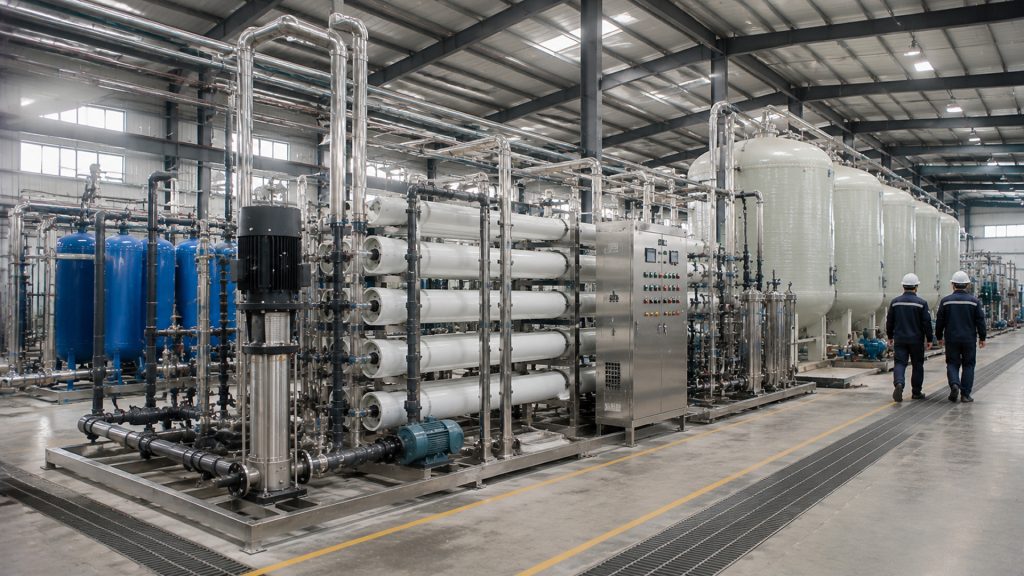
Each RO System component has a specific function, but overall performance depends on how these parts work together. Pretreatment protects the membrane, the pump provides operating pressure, the membrane removes contaminants, and the control system maintains stability. A well-designed RO System balances water quality, energy consumption, recovery rate, and maintenance requirements to provide reliable and cost-effective water treatment performance.
RO System Component Coordination During Water Treatment
Each RO System component plays a different role in the overall water treatment process, and their coordination determines system performance. The pretreatment unit prepares feedwater by removing particles and contaminants, the high-pressure pump provides the pressure required for filtration, and the RO membrane separates dissolved substances from water. Meanwhile, the control system monitors operating conditions and maintains system stability. When all components are properly matched, the RO System can achieve reliable water quality, efficient operation, and long-term performance.
RO System Integration Benefits for Efficiency and Reliability
A well-integrated RO System requires accurate matching between components, operating conditions, and treatment goals. Proper system design helps balance important factors such as water quality, recovery rate, energy consumption, and maintenance requirements. When components work together efficiently, the RO System can reduce operational problems, improve equipment lifespan, and lower lifecycle costs. For industrial applications, optimized component integration ensures consistent treated water output and provides a reliable water treatment solution for long-term operation.
How to Select the Right RO System Components
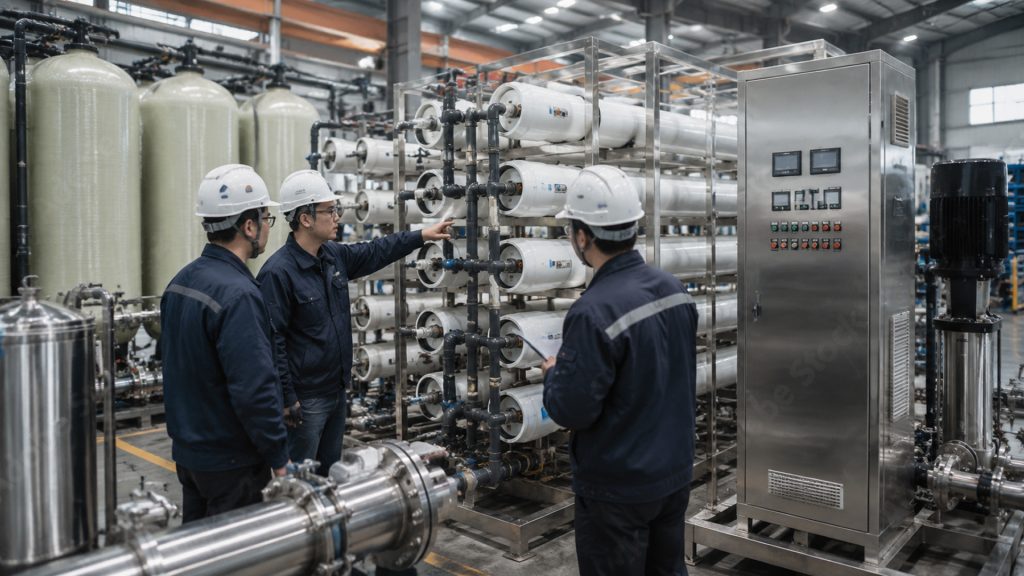
Selecting suitable components for an RO System requires analyzing feedwater quality, production capacity, target water quality, and operating conditions. Different projects may require customized combinations of membranes, pretreatment systems, pumps, and monitoring equipment. Proper component selection improves efficiency, reduces operating costs, and ensures reliable performance. Choosing an experienced RO System manufacturer helps achieve a complete solution for specific water treatment needs.
Key Factors for Selecting the Right RO System
| Selection Factor | Questions to Consider |
|---|---|
| Feedwater Quality | What contaminants, TDS levels, and hardness exist in the water source? |
| Water Capacity | How much treated water is required per day? |
| Target Water Quality | What purity level does the application require? |
| Operating Conditions | What pressure, temperature, and space limitations exist? |
| Maintenance Requirements | How often should components be cleaned or replaced? |
Key Evaluation Factors for RO System Component Selection
Selecting the right RO System components requires a detailed evaluation of water conditions, treatment goals, and operating requirements. Important factors include feedwater quality, dissolved solids level, required water production capacity, target water quality, and available installation space. The selection of membranes, pretreatment units, pumps, and control systems should be matched with actual application needs. Proper component evaluation helps the RO System achieve higher efficiency, stable operation, and lower maintenance costs throughout its service life.
Feedwater Analysis for Optimized RO System Selection
Feedwater analysis is an essential step in selecting the right RO System configuration for different applications. Testing parameters such as TDS level, hardness, temperature, and contaminant concentration helps determine suitable membranes, pretreatment processes, pump specifications, and operating conditions. Accurate water analysis allows engineers to design an RO System that meets required water quality targets while improving efficiency and reducing operational costs. A data-based selection process ensures reliable performance and long-term system value.
Experienced RO System Manufacturer Support for Component Selection
Working with an experienced RO System manufacturer helps ensure that all components are properly designed, selected, and integrated into a complete water treatment solution. Professional manufacturers can analyze feedwater conditions, recommend suitable configurations, and customize systems according to different application requirements. A reliable RO System supplier provides technical expertise, equipment quality, and long-term support, helping users improve system reliability, reduce operational risks, and achieve consistent water treatment performance.
Customized Design Benefits for RO System Performance
A customized design approach helps an RO System meet specific water treatment requirements and operating conditions. Different industries may require different solutions based on feedwater quality, production capacity, and final water standards. Customized system design allows manufacturers to select suitable membranes, pumps, pretreatment units, and control systems for each project. This improves efficiency, reduces unnecessary operating costs, and ensures reliable performance. Working with an experienced RO System manufacturer helps customers achieve a solution that matches their actual application needs.