




Sewage Wastewater Processing Solutions Knowledge Base

This knowledge base provides practical insights into sewage and wastewater processing technologies, system design, and operational optimization. It covers treatment methods, equipment selection, and real application guidance to support engineers and users in achieving efficient, compliant wastewater management.

All Articles

How RO Water Filtration Works and Removes Water Contaminants

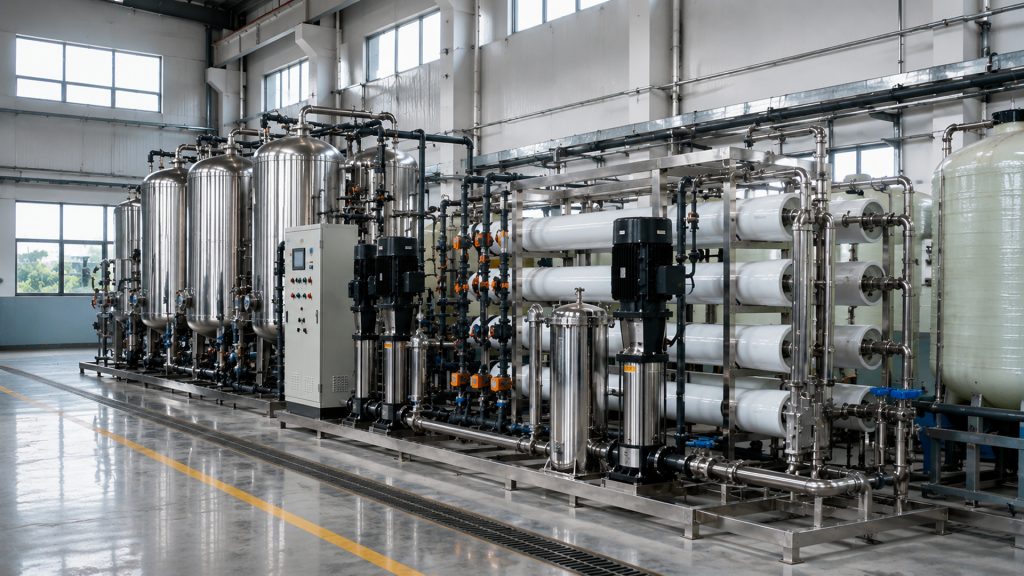
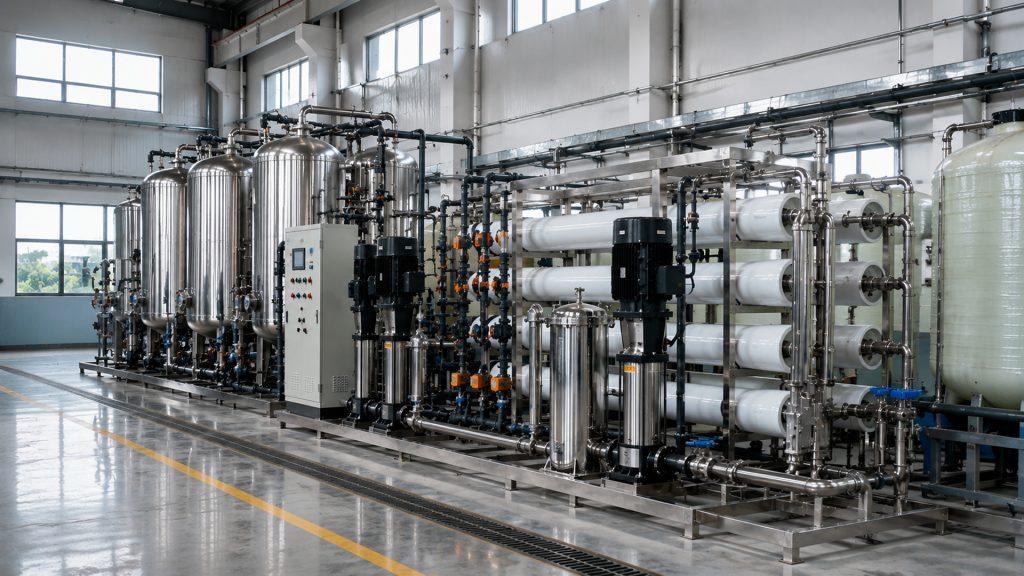
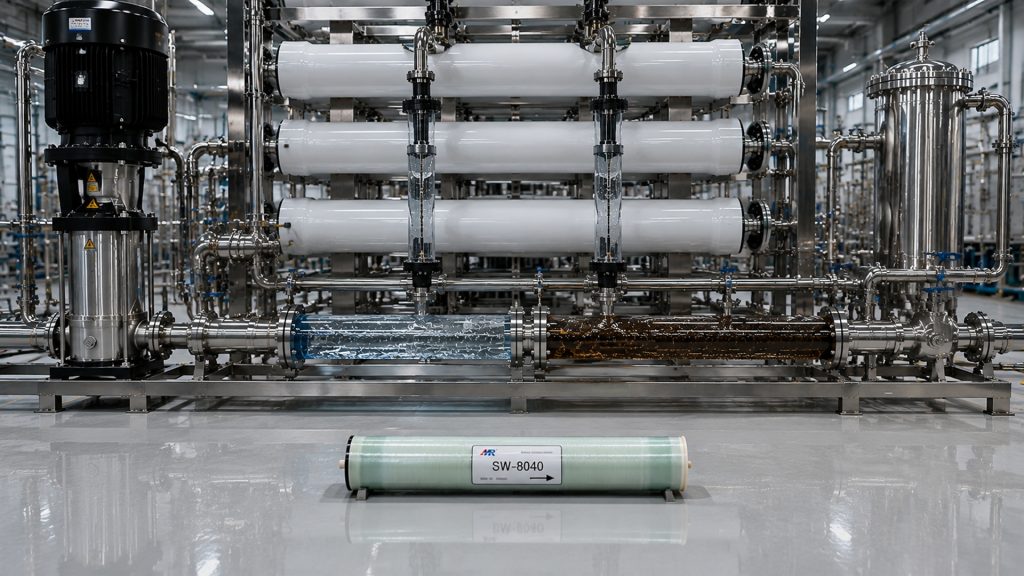
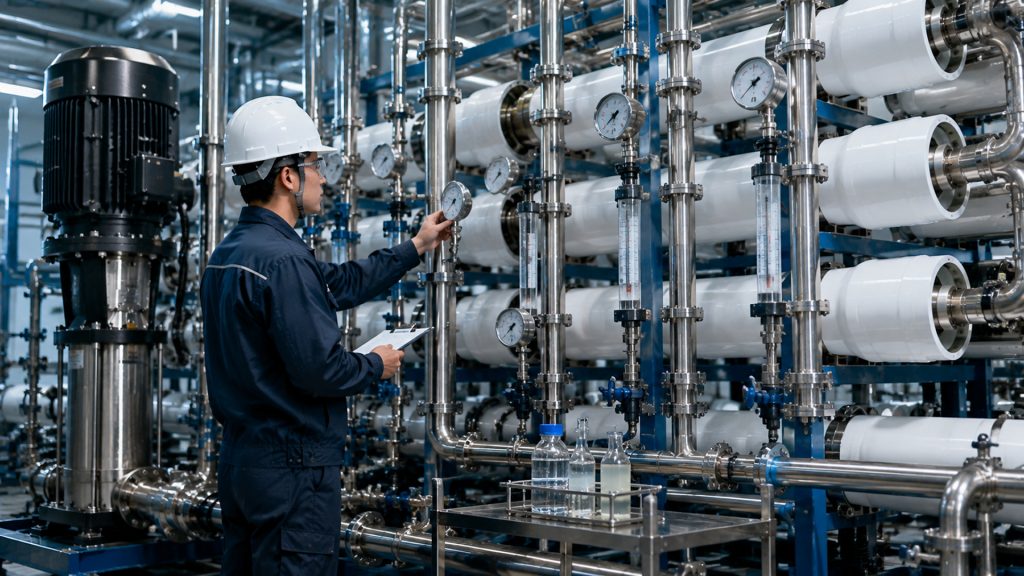
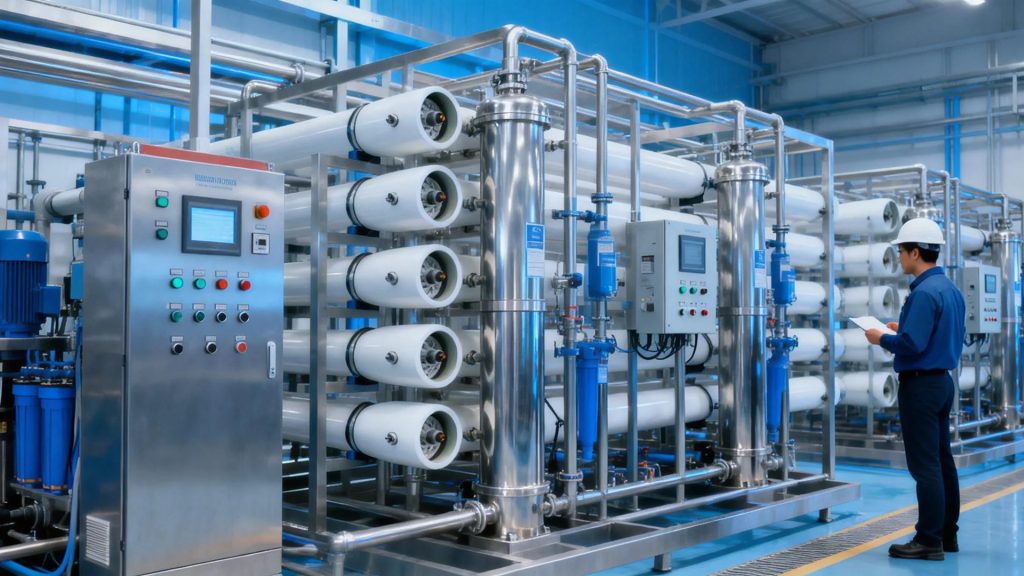
RO water filtration is a membrane-based purification technology that removes dissolved salts, contaminants, and impurities from water through reverse osmosis. Unlike traditional filtration methods that mainly capture suspended particles, RO filtration uses pressure and a semi-permeable membrane to separate water molecules from unwanted substances. This process allows the system to produce purified water with consistent quality for different treatment applications.

Understanding how RO water filtration works helps engineers and buyers evaluate system performance, membrane technology, and operating requirements. From feed water preparation to membrane separation, each stage affects filtration efficiency and final water quality. A clear understanding of the working process allows users to select suitable solutions and improve long-term water treatment results.

The Basic Working Principle of RO Water Filtration
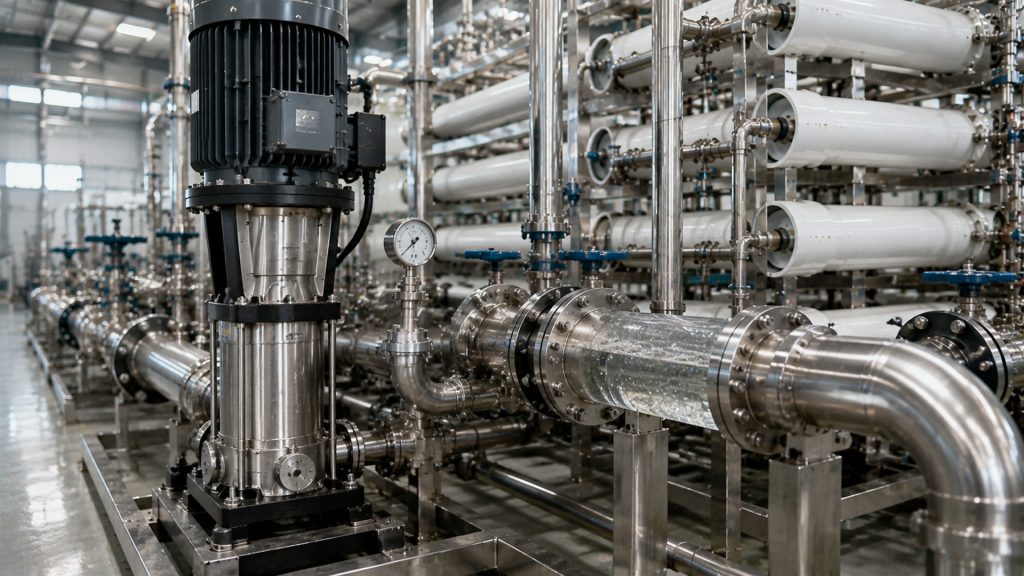
RO water filtration works through a process called reverse osmosis, which uses pressure to force water through a specially designed membrane. Under normal conditions, water naturally moves from an area with lower dissolved substance concentration to an area with higher concentration through osmosis. Reverse osmosis reverses this process by applying external pressure, allowing purified water to move through the membrane while contaminants remain separated.

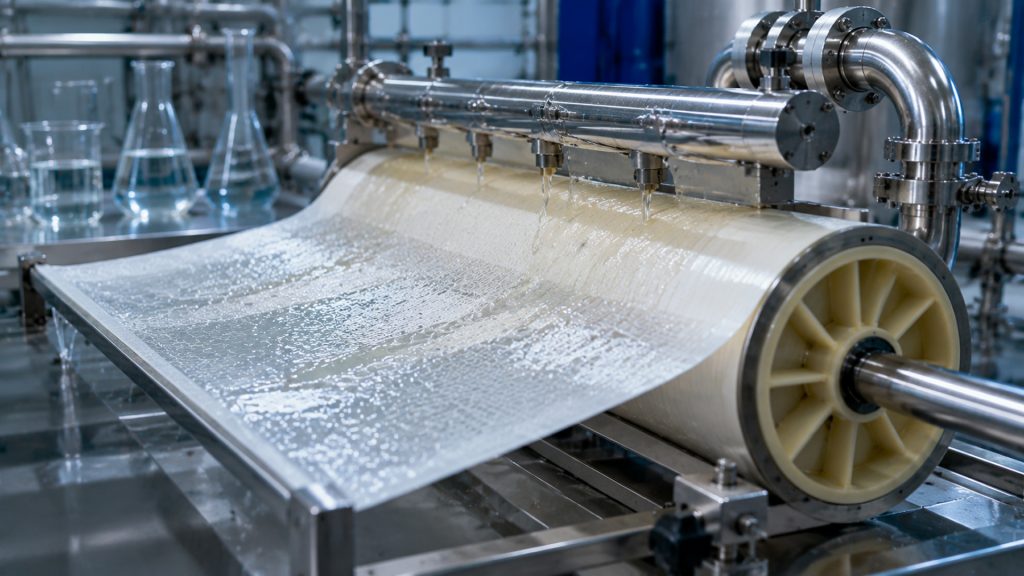
The semi-permeable RO membrane is designed with extremely small pores that only allow water molecules to pass through. Dissolved salts, minerals, heavy metals, and other unwanted substances are blocked because of their larger molecular size. This separation process enables RO water filtration systems to achieve high purification performance compared with many conventional filtration technologies.

The efficiency of this process depends on several conditions, including feed water quality, operating pressure, membrane characteristics, and system design. Proper control of these factors ensures stable water production and helps maintain consistent filtration performance during continuous operation.

Key Elements Involved in RO Water Filtration Process

ComponentFunction in RO Water FiltrationImpact on System Performance
Feed WaterProvides the source water containing dissolved substances and impuritiesDetermines pretreatment requirements and filtration difficulty
High-Pressure PumpProvides the pressure required to push water through the RO membraneDirectly affects filtration efficiency and water production capacity
RO MembraneSeparates purified water from dissolved contaminants through selective filtrationDetermines contaminant rejection rate and water quality
Purified Water StreamCollects treated water after membrane separationRepresents the final water quality output
Concentrated Water StreamRemoves rejected contaminants from the systemInfluences recovery rate and wastewater management

RO Water Filtration Uses Pressure to Drive Membrane Separation

RO water filtration relies on pressure-driven membrane separation to produce purified water from contaminated sources. During operation, feed water is pressurized and pushed toward the RO membrane surface, where the separation process begins. The applied pressure allows water molecules to pass through the membrane while preventing many dissolved substances from moving through. This pressure-based process is the foundation of reverse osmosis technology and determines the overall filtration efficiency of an RO system.

External Pressure Enables Effective Water Molecule Movement

The application of external pressure is an essential part of RO water filtration because it overcomes the natural osmotic pressure between different water concentrations. Without sufficient pressure, water molecules cannot effectively pass through the semi-permeable membrane. By maintaining suitable operating pressure, RO systems can improve water production capacity and achieve stable purification performance. Proper pressure control also helps reduce unnecessary energy consumption and protects system components from excessive stress.

The Semi-Permeable Membrane Controls the RO Filtration Process

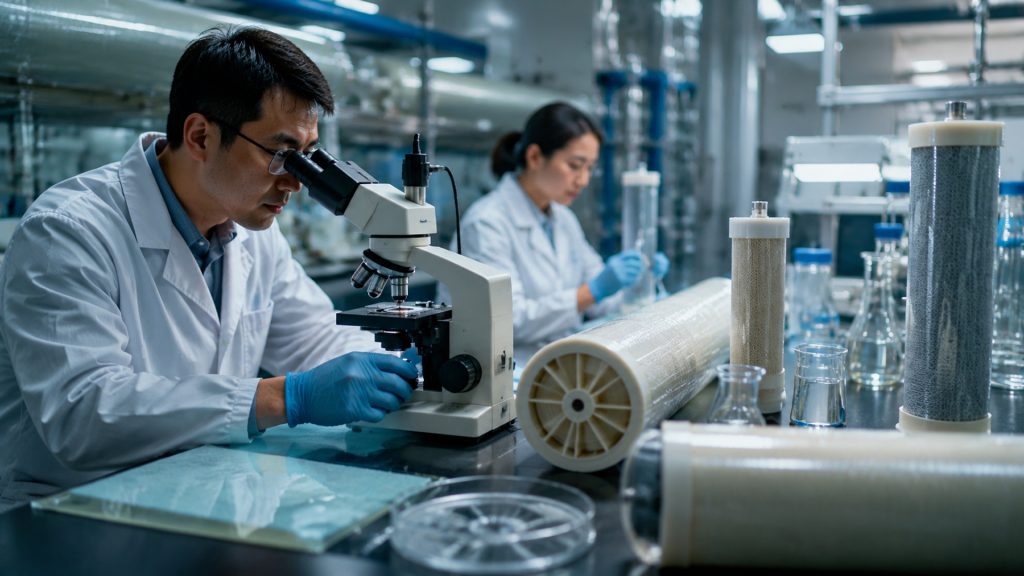
The semi-permeable membrane is the core element that controls separation during RO water filtration. Its specially designed structure contains extremely small pores that allow water molecules to pass while rejecting dissolved salts, minerals, and other contaminants. The membrane’s material properties and surface condition directly affect filtration efficiency, water quality, and system reliability. Selecting suitable membrane technology helps maintain consistent performance under different water treatment conditions.

RO Water Filtration Separates Purified Water from Dissolved Contaminants

RO water filtration achieves purification by separating clean water from concentrated contaminants during the membrane filtration stage. When feed water enters the RO membrane, water molecules move through the membrane layer and become purified water, while dissolved substances remain in the concentrated stream. This separation mechanism allows RO systems to remove various impurities that cannot be effectively reduced by traditional filtration methods.

Dissolved Salts and Impurities Are Removed Through Membrane Rejection

During the RO water filtration process, dissolved salts, heavy metals, minerals, and other unwanted substances are rejected by the membrane barrier. These contaminants are prevented from entering the purified water stream because their molecular size and characteristics limit their ability to pass through the membrane. Effective contaminant rejection helps RO systems provide reliable water quality for industrial, municipal, and commercial treatment applications.

How RO Membranes Perform Water Separation During Filtration
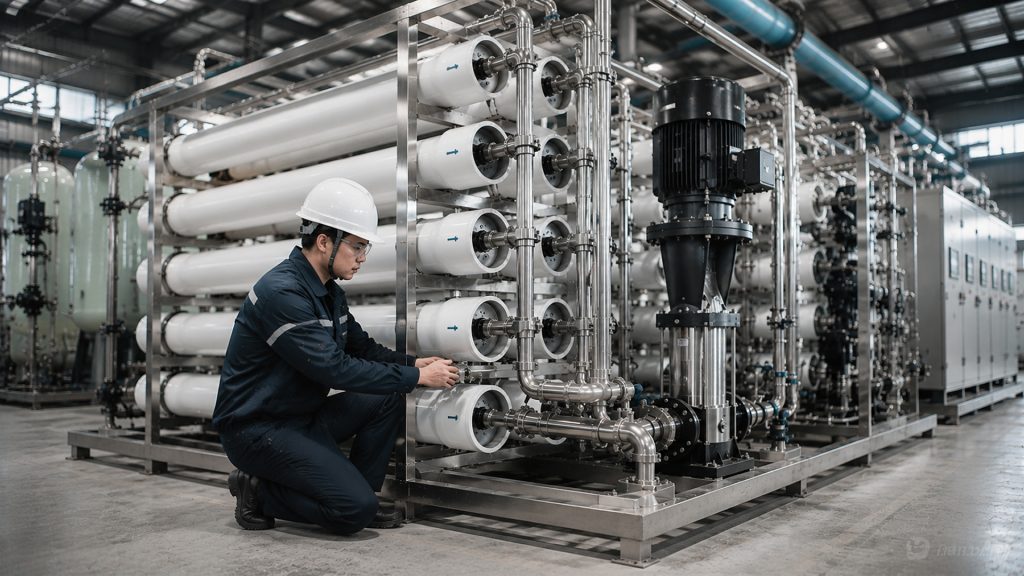
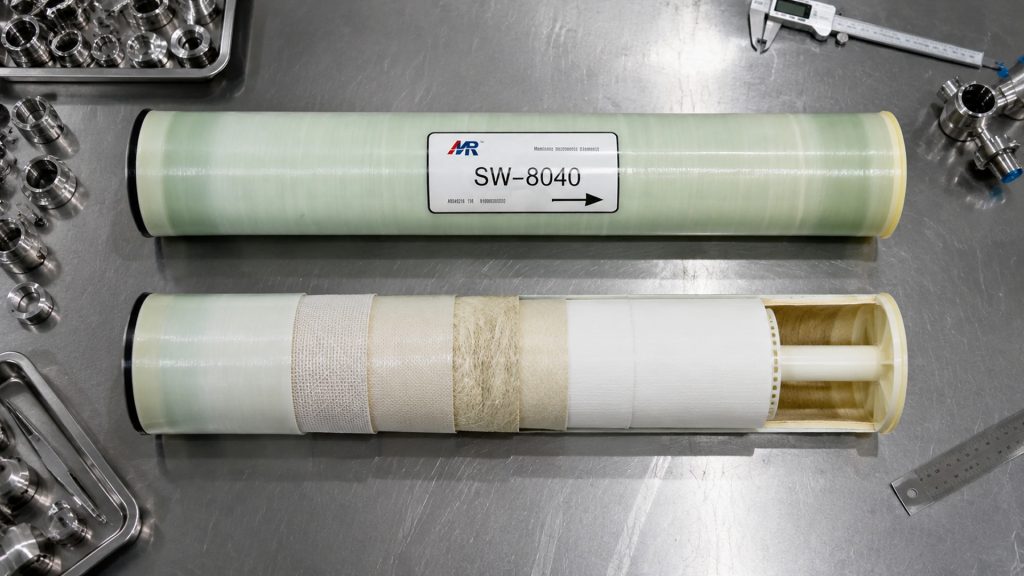
The RO membrane is the most important component in the RO water filtration process because it determines how effectively contaminants can be removed. The membrane surface contains a selective barrier that allows water molecules to pass while rejecting dissolved substances. This selective separation capability is the reason reverse osmosis can produce high-quality purified water from different water sources.

During operation, pressurized feed water enters the membrane module and flows across the membrane surface. A portion of the water passes through the membrane as purified water, while the remaining concentrated water contains higher levels of rejected contaminants. This continuous separation process allows the system to remove unwanted substances while maintaining stable water output.

Membrane performance can be affected by fouling, scaling, temperature changes, and improper operating conditions. Therefore, selecting suitable membrane materials and maintaining proper operating parameters are important for ensuring reliable RO water filtration performance and extending membrane service life.

RO Membranes Enable Selective Separation in RO Water Filtration Systems

The RO membrane is the key filtration component that determines the separation efficiency of an RO water filtration system. Unlike ordinary filters that mainly remove visible particles, RO membranes use a selective barrier structure to separate water molecules from dissolved substances. This special membrane layer allows purified water to pass through while preventing salts, minerals, and other contaminants from entering the treated water stream.

The Selective Membrane Barrier Controls Water Purification Performance

The selective barrier of an RO membrane plays a critical role in controlling the quality of purified water. During RO water filtration, the membrane structure allows smaller water molecules to move through while rejecting larger dissolved substances. The effectiveness of this separation depends on membrane material, pore structure, and operating conditions. A properly selected membrane helps maintain stable filtration efficiency and consistent water quality.

Water Molecules Pass Through While Contaminants Remain Separated

During the membrane separation process, water molecules can pass through the RO membrane because of their small molecular size, while dissolved salts, heavy metals, and other impurities are retained. This separation mechanism enables RO water filtration systems to achieve high contaminant removal performance. By controlling the movement of water and rejected substances, the membrane helps produce reliable purified water for different applications.

RO Water Filtration Performance Depends on Membrane Operation Conditions

The performance of an RO membrane is not only determined by its material structure but also by actual operating conditions. During operation, pressurized feed water flows through the membrane module, where part of the water becomes purified water and the remaining concentrated stream carries rejected contaminants away. Stable pressure, suitable temperature, and proper flow conditions are important for maintaining effective membrane separation.

Feed Water Conditions Influence RO Membrane Separation Efficiency

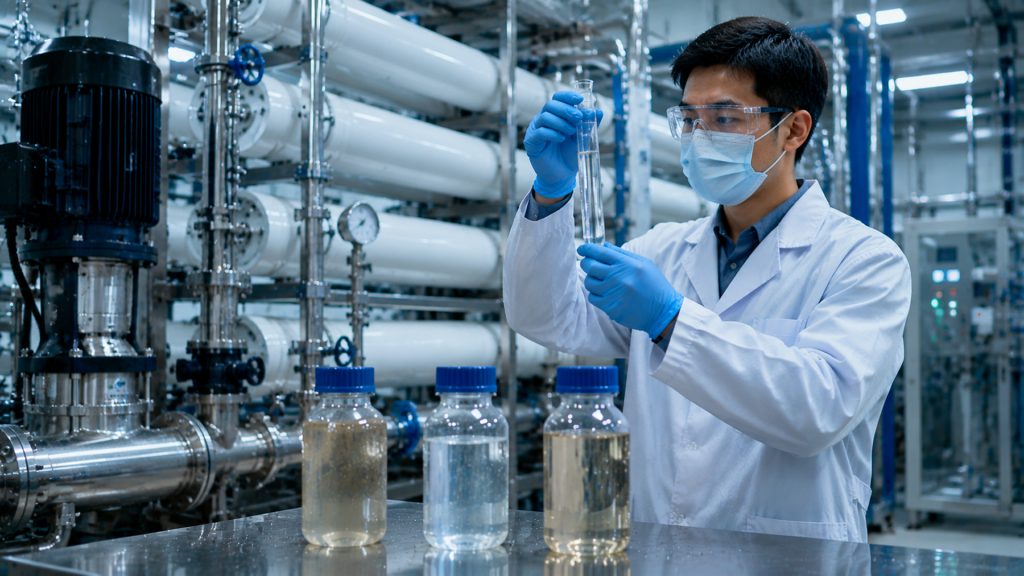
Feed water quality has a direct impact on RO water filtration performance. High levels of suspended solids, hardness, organic matter, or dissolved contaminants may increase fouling and scaling risks on the membrane surface. These problems can reduce water production and increase operating pressure requirements. Evaluating feed water characteristics before system operation helps improve membrane protection and maintain stable filtration performance.

Proper Membrane Management Extends RO Filtration Service Life

Regular monitoring and proper operating control are essential for extending RO membrane lifespan. Factors such as pressure changes, temperature fluctuations, and contaminant accumulation can affect membrane performance over time. By maintaining suitable operating conditions and applying appropriate cleaning strategies, users can reduce membrane degradation, improve RO water filtration reliability, and achieve longer equipment service life.

The Complete Filtration Process of an RO Water Filtration System
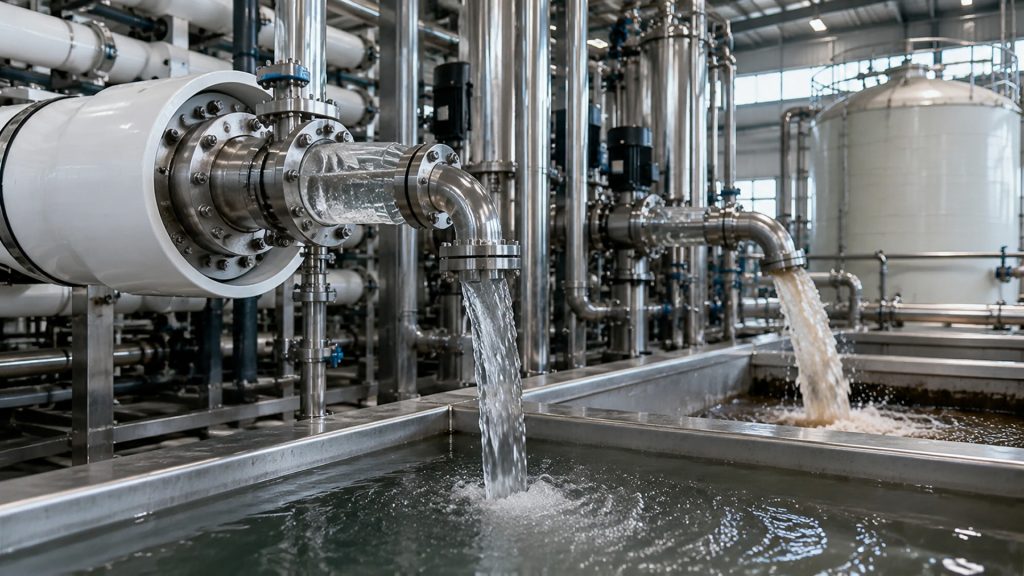
A complete RO water filtration system involves several stages that work together to achieve effective purification. Before water reaches the RO membrane, pretreatment processes are usually applied to remove larger particles, chlorine, hardness, and other substances that may affect membrane performance. This preparation stage helps reduce fouling risks and protects the membrane from damage.

After pretreatment, a high-pressure pump increases the pressure of feed water so that it can pass through the RO membrane. Pressure is a key factor because reverse osmosis requires sufficient force to overcome natural osmotic pressure. The pump must provide stable pressure to maintain filtration efficiency and ensure consistent water production.

During the final stage, purified water is collected as permeate, while concentrated water containing rejected contaminants is discharged. The balance between purified water output and wastewater flow affects system recovery rate and operating efficiency. Proper system configuration allows RO water filtration equipment to achieve reliable performance for long-term applications.

Pretreatment Prepares Feed Water for RO Water Filtration

Pretreatment is the first stage of the RO water filtration process and plays an important role in protecting the RO membrane. Before water enters the membrane unit, suspended solids, chlorine, hardness, and organic substances need to be reduced to prevent fouling and scaling problems. Proper pretreatment improves feed water quality and creates more suitable operating conditions for the membrane separation stage.

Different water sources may require different pretreatment methods depending on their chemical characteristics and contamination levels. Sediment filtration, activated carbon filtration, and softening processes are commonly used to protect the membrane and improve system stability. Effective pretreatment helps maintain consistent filtration performance and extends the service life of the RO water filtration system.

Pretreatment Reduces Contaminant Risks Before Membrane Filtration

Before the RO membrane performs the main separation process, pretreatment removes substances that may negatively affect membrane operation. Suspended particles can block membrane surfaces, while chlorine and hardness minerals may cause membrane damage or scaling. By reducing these risks in advance, pretreatment allows the RO water filtration system to operate more efficiently and maintain stable water quality.

High-Pressure Operation Drives the RO Membrane Filtration Process

After pretreatment, feed water enters the high-pressure stage where pressure is increased to support reverse osmosis separation. The high-pressure pump provides the driving force required for water molecules to pass through the RO membrane. Without sufficient pressure, the membrane cannot effectively overcome natural osmotic pressure, resulting in lower filtration efficiency and reduced purified water production.

During this stage of RO water filtration, the membrane separates water molecules from dissolved contaminants. Purified water passes through the membrane as permeate, while concentrated water containing rejected substances remains on the other side. Stable pressure control helps maintain consistent membrane performance and improves overall system efficiency.

Stable Pressure Control Improves RO Filtration Efficiency

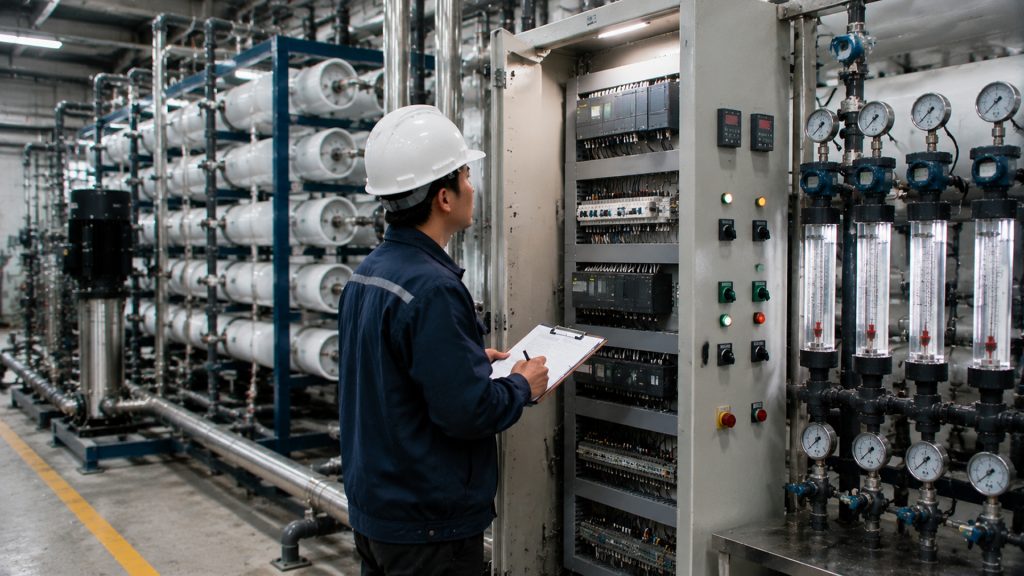
Operating pressure directly influences the performance of an RO water filtration system. Suitable pressure levels allow water to pass through the membrane effectively while maintaining proper energy efficiency. Excessive or insufficient pressure may reduce system performance, increase operating costs, or accelerate membrane wear. Therefore, accurate pressure management is essential for reliable long-term operation.

RO Water Filtration Produces Purified Water Through Final Separation

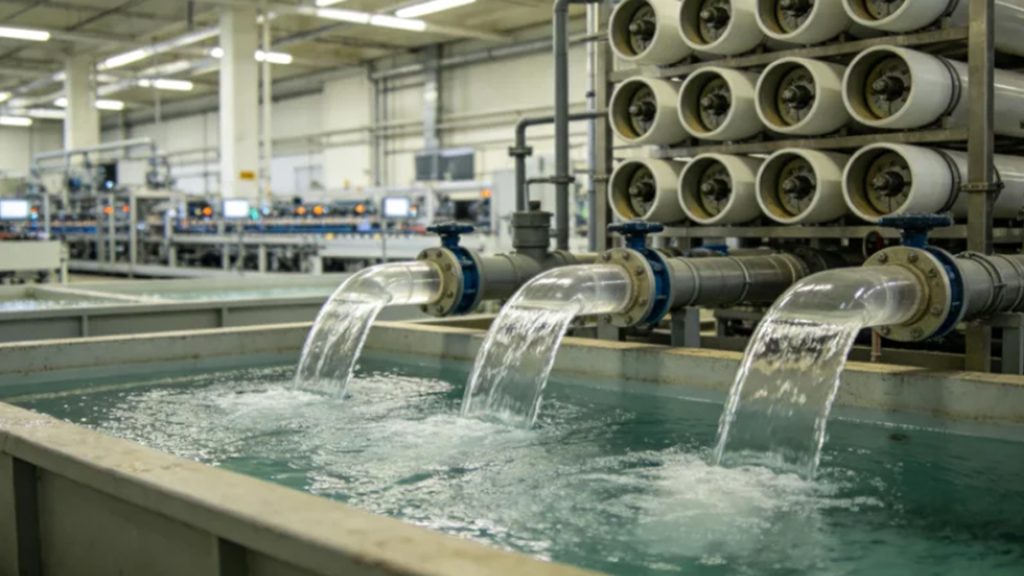
The final stage of the RO water filtration process involves collecting purified water and managing concentrated water discharge. After passing through the RO membrane, treated water with reduced contaminant levels becomes the product stream, while rejected substances remain in the concentrated water flow. This separation allows the system to continuously produce purified water while removing unwanted components.

The balance between permeate production and concentrate discharge affects system recovery rate and operating efficiency. Proper system configuration helps optimize water utilization, reduce unnecessary wastewater generation, and maintain stable performance. By controlling these factors, RO water filtration equipment can provide reliable purification results for industrial and commercial applications.

Recovery Rate Determines RO Water Filtration System Efficiency

Recovery rate is an important parameter for evaluating how effectively an RO water filtration system converts feed water into purified water. A properly optimized recovery rate improves water utilization while reducing operational problems such as scaling and membrane fouling. Maintaining the right balance between product water output and concentrate flow helps achieve efficient and sustainable system performance.

How RO Water Filtration Removes Different Types of Contaminants
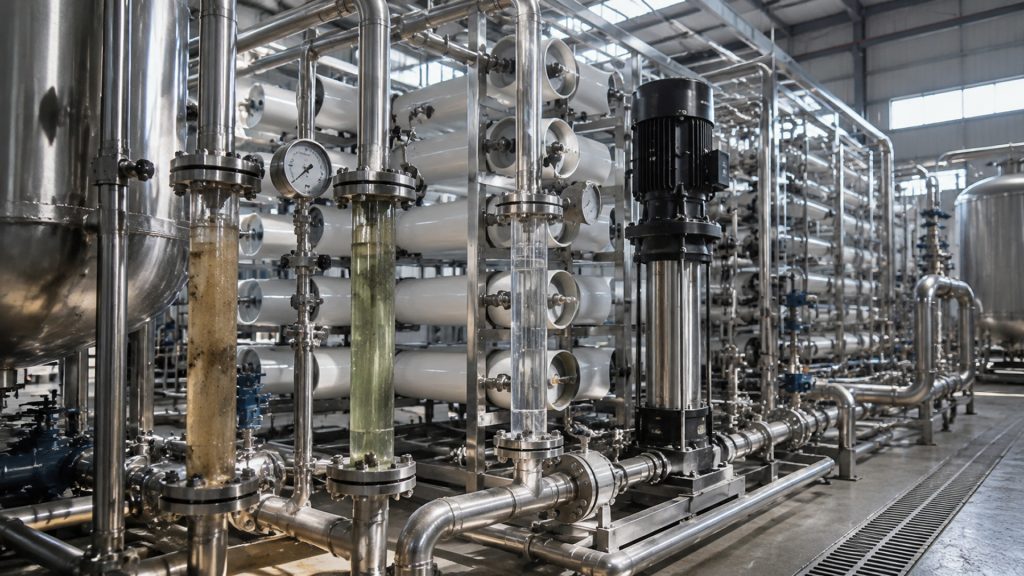
One of the main advantages of RO water filtration is its ability to reduce a wide range of dissolved contaminants. Unlike simple physical filtration methods, reverse osmosis can remove substances that are too small to be captured by conventional filters. This includes dissolved salts, minerals, heavy metals, and many other impurities that affect water quality.

The removal process depends on membrane rejection characteristics and contaminant properties. Dissolved salts and minerals are separated because they cannot easily pass through the membrane structure, while larger particles are usually removed during pretreatment. Combining different treatment stages improves overall purification efficiency and protects the RO membrane.

The effectiveness of RO water filtration also depends on feed water conditions and system operation. Water with high levels of hardness, organic matter, or suspended solids may require additional treatment before membrane filtration. Proper system design ensures that different contaminants can be controlled effectively while maintaining stable water quality.

Contaminants Removed by RO Water Filtration

Contaminant TypeExamplesHow RO Water Filtration Handles It
Dissolved SaltsSodium, chloride, calcium saltsRejected by RO membrane due to molecular size and charge characteristics
Heavy MetalsLead, arsenic, mercuryReduced through membrane separation and rejection process
MineralsCalcium, magnesium, dissolved mineralsControlled to improve water quality and reduce hardness
Organic CompoundsOrganic substances and chemical residuesReduced through membrane filtration combined with pretreatment
Suspended SolidsSand, particles, sedimentsRemoved mainly through pretreatment before membrane filtration

RO Water Filtration Removes Dissolved Contaminants Through Membrane Rejection

RO water filtration removes contaminants through a selective membrane separation process that prevents many dissolved substances from entering the purified water stream. Unlike conventional filtration methods that mainly capture larger particles, reverse osmosis can reduce contaminants at a much smaller molecular level. This ability allows RO systems to treat water containing dissolved salts, minerals, and other substances that affect water quality.

The membrane rejection process depends on the structure and performance of the RO membrane. When pressurized water passes through the membrane, water molecules can move through the selective layer while many dissolved contaminants are retained. This separation mechanism enables RO water filtration systems to produce consistent purified water for different treatment applications.

Dissolved Salts and Minerals Are Reduced Through RO Membrane Separation

Dissolved salts and minerals are among the main contaminants removed during RO water filtration. These substances are difficult to eliminate through traditional filtration because of their small molecular size. The RO membrane creates a selective barrier that blocks many dissolved ions while allowing water molecules to pass through. This process helps reduce total dissolved solids and improves overall water quality.

RO Water Filtration Controls Heavy Metals and Other Harmful Impurities

In addition to dissolved salts, RO water filtration can reduce various unwanted substances such as heavy metals and chemical impurities. Contaminants including lead, arsenic, and other dissolved compounds may affect water safety and industrial processes if they remain untreated. Through membrane rejection, RO systems help separate these substances from the purified water stream.

The effectiveness of contaminant removal depends on membrane characteristics, feed water conditions, and system operation. Properly designed RO water filtration equipment combines membrane technology with suitable pretreatment methods to improve removal efficiency and maintain stable purification performance.

RO Membranes Provide Effective Removal of Microscopic Water Impurities

The small structure of RO membranes allows them to remove many microscopic impurities that cannot be captured by standard filtration systems. During operation, unwanted substances are concentrated on the feed water side while purified water passes through the membrane. This advanced separation capability makes RO water filtration suitable for applications requiring higher water quality standards.

Feed Water Conditions Influence RO Water Filtration Contaminant Removal Performance

The removal efficiency of RO water filtration is affected by the characteristics of the incoming water. Different water sources may contain different levels of hardness, organic matter, suspended solids, and dissolved contaminants. These factors can influence membrane performance and determine whether additional treatment processes are required before reverse osmosis.

Proper feed water analysis helps engineers select suitable pretreatment methods and optimize system operation. By controlling potential fouling substances before membrane filtration, RO systems can maintain stable contaminant removal performance and extend membrane service life. A well-designed treatment process ensures reliable water quality under different operating conditions.

Pretreatment Improves Contaminant Removal Stability Before RO Filtration

Pretreatment plays an important role in improving the stability of RO water filtration by reducing substances that may interfere with membrane operation. Suspended solids, chlorine, and hardness minerals can increase fouling and scaling risks if they enter the membrane stage directly. Removing these contaminants beforehand helps protect the RO membrane and maintain consistent filtration efficiency.

Proper System Design Supports Reliable RO Water Filtration Performance

Effective contaminant removal requires more than selecting a high-quality membrane. System design, operating pressure, pretreatment configuration, and maintenance practices all influence RO water filtration results. A properly designed system ensures that different types of contaminants are controlled effectively while maintaining stable purified water production and long-term operational reliability.

Feed Water Quality Determines RO Water Filtration Performance

The quality of feed water is one of the most important factors affecting RO water filtration efficiency. Different water sources may contain different levels of suspended solids, hardness, organic matter, and dissolved contaminants. When these substances are not properly controlled, they may accumulate on the RO membrane surface and reduce filtration performance.

Poor feed water conditions can increase fouling and scaling risks, causing lower water production and higher operating costs. Before operating an RO system, analyzing water characteristics helps determine suitable pretreatment requirements and operating conditions. Proper feed water management allows RO water filtration systems to maintain stable performance and extend membrane service life.

Contaminant Levels Affect RO Membrane Fouling and Scaling Risks

The concentration of contaminants in feed water directly influences membrane operating conditions. High levels of suspended particles, minerals, and organic substances may create deposits on the membrane surface and restrict water flow. These problems can reduce RO water filtration efficiency and increase the frequency of cleaning requirements. Effective pretreatment and water quality control help minimize these risks.

Applications of RO Water Filtration in Modern Water Treatment
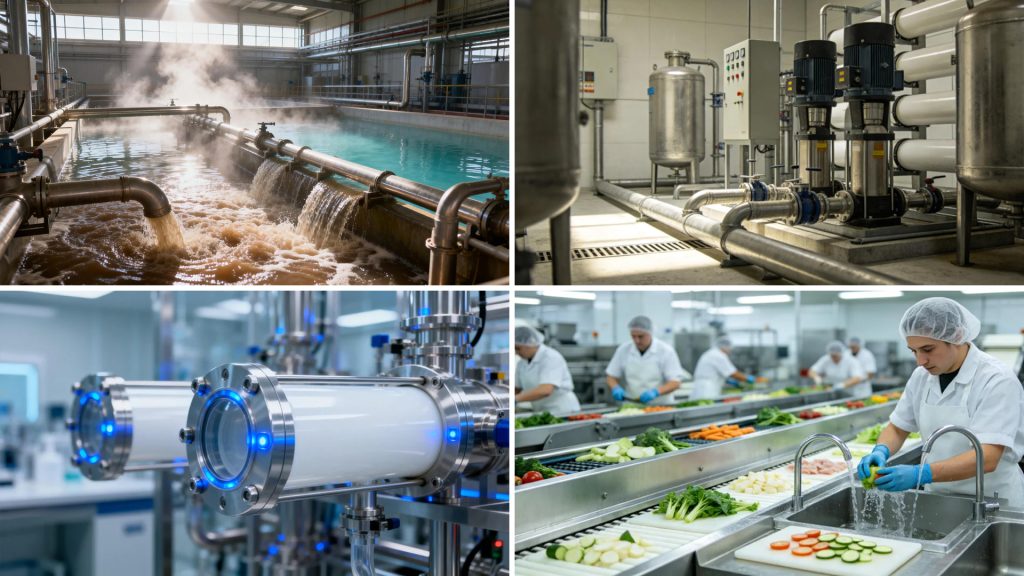
RO water filtration is widely used in industrial, municipal, and commercial water treatment because of its reliable purification capability. Industries such as manufacturing, electronics, pharmaceuticals, and food processing often require consistent water quality to support production processes. RO systems provide an effective method for reducing dissolved contaminants and meeting specific water requirements.

Municipal and commercial applications also benefit from reverse osmosis technology. RO water filtration can be used for drinking water purification, water reuse projects, and desalination processes. Its flexible design allows systems to be customized according to different water sources, treatment capacities, and quality targets.

By understanding how RO water filtration works, users can better evaluate system requirements and choose suitable treatment solutions. Proper application design, membrane selection, and operating control help ensure efficient performance and long-term reliability.

RO Water Filtration Supports Industrial Water Treatment Applications

RO water filtration plays an important role in industrial water treatment by providing reliable purification for processes that require consistent water quality. Many industries depend on purified water to maintain production stability, reduce contamination risks, and improve product quality. Applications such as manufacturing, electronics, pharmaceuticals, and food processing often require advanced treatment solutions to remove dissolved substances and maintain strict water standards.

Industrial RO systems can be customized according to feed water characteristics, production capacity, and treatment requirements. By selecting suitable membranes, pretreatment processes, and operating parameters, RO water filtration systems can provide stable water output and support continuous industrial operations.

RO Water Filtration Provides Reliable Water Quality for Manufacturing Processes

Manufacturing processes often require controlled water quality to prevent impurities from affecting production efficiency and product performance. RO water filtration helps reduce dissolved salts, minerals, and other contaminants that may interfere with industrial operations. With proper system design, RO equipment can provide consistent purified water and improve reliability in various manufacturing environments.

RO Systems Support High-Purity Water Requirements in Specialized Industries

Industries such as electronics and pharmaceuticals require higher levels of water purity because even small amounts of dissolved contaminants may affect production results. RO water filtration provides an effective purification method by reducing unwanted substances before water enters critical processes. Combined with suitable treatment stages, RO systems help industries achieve stable and controlled water quality.

RO Water Filtration Provides Solutions for Municipal and Commercial Water Needs

Beyond industrial applications, RO water filtration is also widely used in municipal and commercial water treatment projects. These systems help improve water quality by reducing dissolved contaminants and producing purified water for different purposes. Municipal projects may use RO technology for drinking water treatment, water reuse, and desalination applications.

Commercial facilities also benefit from flexible RO system designs that can be adjusted according to water sources and usage requirements. Whether used in buildings, hospitality facilities, or service industries, RO water filtration provides a reliable approach for achieving cleaner and safer water supplies.

RO Water Filtration Improves Drinking Water Purification Performance

Drinking water applications require effective removal of substances that may affect taste, quality, and safety. RO water filtration can reduce dissolved salts, minerals, and other impurities to improve overall water quality. With appropriate system configuration, RO equipment provides a stable purification solution for commercial and residential drinking water applications.

RO Technology Supports Water Reuse and Desalination Projects

Water reuse and desalination projects require efficient methods for removing dissolved contaminants from treated water sources. RO water filtration provides an effective separation process that helps convert lower-quality water into usable water resources. Its ability to handle different feed water conditions makes RO technology suitable for sustainable water management applications.

Proper System Design Optimizes RO Water Filtration Applications

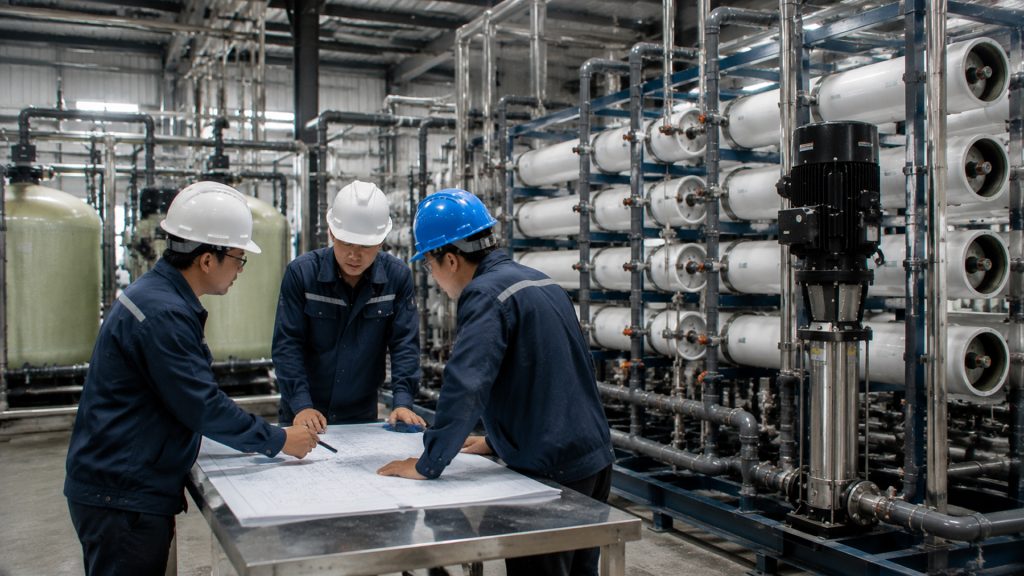
The effectiveness of an RO system depends not only on membrane technology but also on proper application design. Different water sources, treatment targets, and capacity requirements require different system configurations. Evaluating feed water quality, selecting suitable membranes, and optimizing operating conditions help ensure that RO water filtration systems achieve expected performance.

A well-designed RO solution improves efficiency, reduces maintenance requirements, and supports long-term operation. By matching system specifications with actual application needs, users can achieve reliable purification results and maximize the value of their water treatment investment.

Customized RO Water Filtration Systems Meet Different Treatment Requirements

Different applications require different water treatment strategies based on contamination levels, production capacity, and quality standards. Customized RO water filtration systems allow manufacturers to adjust components, membrane configurations, and pretreatment processes according to specific requirements. This flexibility helps users achieve more efficient and reliable water purification performance.

Sewage Treatment Plant: Key Processes and System Selection

A sewage treatment plant is designed to remove pollutants from wastewater and produce treated water that meets environmental discharge or reuse standards. Understanding how a sewage treatment plant works helps engineers, contractors, and buyers evaluate treatment processes, equipment configurations, and operating requirements. By analyzing influent characteristics, treatment objectives, and site conditions, users can select a sewage treatment plant that delivers reliable performance, cost efficiency, and long-term operational stability for municipal and industrial applications.

What Is a Sewage Treatment Plant and How Does It Work?

A sewage treatment plant is a complete wastewater treatment system that removes suspended solids, organic matter, nutrients, and harmful microorganisms from sewage. The treatment process typically includes preliminary, primary, biological, and final treatment stages. Each stage performs a specific function to improve water quality before discharge or reuse. Understanding the operating principle of a sewage treatment plant helps users select suitable technologies and maintain stable treatment performance under different wastewater conditions.

Sewage Treatment Plant Wastewater Treatment Process

A sewage treatment plant treats wastewater through a series of physical, biological, and chemical processes designed to remove different types of pollutants. Wastewater first passes through preliminary treatment to remove large debris before entering primary settling tanks. It then flows into biological treatment units where microorganisms break down organic contaminants. Finally, treated water undergoes clarification and disinfection before being discharged or reused. This step-by-step process enables the sewage treatment plant to achieve reliable treatment efficiency and comply with environmental regulations.

Main Treatment Stages of a Sewage Treatment Plant

A sewage treatment plant is typically divided into four main treatment stages, each serving a specific purpose in wastewater purification. Preliminary treatment removes coarse materials, while primary treatment separates suspended solids through sedimentation. Biological treatment reduces dissolved organic matter and nutrients using microorganisms, and final treatment improves water quality through filtration or disinfection. Together, these stages enable the sewage treatment plant to produce treated water that meets discharge or reuse requirements across different applications.

Biological Treatment Process in a Sewage Treatment Plant

Biological treatment is the core process of most sewage treatment plant systems because it removes biodegradable organic matter and nutrients through naturally occurring microorganisms. Technologies such as activated sludge, membrane bioreactors (MBR), and sequencing batch reactors (SBR) are commonly used to improve treatment efficiency. Effective biological treatment reduces chemical oxygen demand (COD) and biological oxygen demand (BOD), helping the sewage treatment plant achieve stable effluent quality while supporting energy-efficient and environmentally responsible wastewater treatment.

What Are the Main Components of a Sewage Treatment Plant?

A sewage treatment plant consists of several key components that work together to achieve effective wastewater treatment. Common equipment includes screening units, grit chambers, biological treatment tanks, sedimentation tanks, sludge treatment systems, and disinfection units. Each component contributes to pollutant removal and overall system efficiency. Proper equipment selection and integration help a sewage treatment plant maintain reliable operation, reduce maintenance requirements, and meet different discharge standards.

Primary Treatment Components of a Sewage Treatment Plant

The primary treatment section of a sewage treatment plant removes large debris, sand, grit, and suspended solids before biological treatment begins. Typical components include bar screens, grit chambers, and primary sedimentation tanks, which protect downstream equipment and improve treatment efficiency. By reducing the pollutant load entering the biological process, these components help the sewage treatment plant operate more reliably while lowering maintenance requirements and extending the service life of major treatment equipment.

Screening Units for Sewage Treatment Plant Protection

Screening units are the first line of protection in a sewage treatment plant, removing large objects such as plastics, rags, wood, and other debris from incoming wastewater. Effective screening prevents equipment blockage, reduces wear on pumps and pipelines, and improves the efficiency of downstream treatment processes. Selecting an appropriate screening system helps the sewage treatment plant maintain stable operation, minimize maintenance costs, and protect critical treatment equipment from unnecessary damage.

Biological Treatment Units in a Sewage Treatment Plant

Biological treatment units are the core components of a sewage treatment plant because they remove dissolved organic matter and nutrients through microbial activity. Common technologies include activated sludge systems, membrane bioreactors (MBR), and sequencing batch reactors (SBR). These units significantly reduce COD, BOD, nitrogen, and phosphorus levels while improving treated water quality. Proper biological process design enables the sewage treatment plant to achieve stable treatment performance under varying wastewater conditions.

Sedimentation Tanks in Sewage Treatment Plant Performance Optimization

Sedimentation tanks separate suspended solids from wastewater by allowing particles to settle under gravity after biological treatment. This process improves water clarity, reduces the load on disinfection systems, and enhances overall treatment efficiency. Properly designed sedimentation tanks also support sludge collection and recycling, helping the sewage treatment plant maintain stable effluent quality while reducing operational costs and improving long-term system reliability.

Sludge Treatment Functions in a Sewage Treatment Plant

Sludge treatment is an essential part of a sewage treatment plant because it manages the solid by-products generated during wastewater treatment. Typical sludge handling processes include thickening, dewatering, stabilization, and final disposal or reuse. Efficient sludge treatment reduces waste volume, lowers transportation costs, and minimizes environmental impact. Integrating suitable sludge treatment equipment allows the sewage treatment plant to improve operational efficiency while meeting environmental regulations and sustainability goals.

How Does Influent Quality Affect Sewage Treatment Plant Design?

Influent quality is one of the most important factors in sewage treatment plant design and equipment selection. Parameters such as chemical oxygen demand (COD), biological oxygen demand (BOD), suspended solids (SS), ammonia nitrogen, phosphorus, and flow variation determine the required treatment process. Accurate influent analysis allows engineers to optimize equipment configuration, improve treatment efficiency, and ensure the sewage treatment plant consistently achieves the required effluent quality under changing operating conditions.

Influent Analysis for Sewage Treatment Plant Design

Influent analysis provides the foundation for designing an efficient sewage treatment plant by identifying the physical, chemical, and biological characteristics of wastewater. Engineers evaluate factors such as pollutant concentration, flow variation, pH, and temperature to determine suitable treatment technologies and equipment. A comprehensive influent assessment helps optimize process design, improve treatment efficiency, and reduce operational risks. Accurate data also enables the sewage treatment plant to maintain stable performance while meeting discharge or water reuse requirements.

Key Water Quality Parameters for Sewage Treatment Plant Evaluation

A sewage treatment plant relies on several key water quality parameters to evaluate influent characteristics and treatment requirements. Common indicators include chemical oxygen demand (COD), biological oxygen demand (BOD), suspended solids (SS), ammonia nitrogen, total phosphorus, pH, and flow rate. These parameters help engineers understand pollutant loads and select appropriate treatment processes. Continuous monitoring ensures the sewage treatment plant can respond to changing wastewater conditions and maintain consistent treatment performance.

Influent Quality Impact on Sewage Treatment Plant Process Selection

Different influent characteristics require different treatment processes in a sewage treatment plant. Wastewater with high organic content may require enhanced biological treatment, while industrial wastewater containing toxic substances may need additional chemical or physical treatment. Variations in flow rate and pollutant concentration also influence tank sizing, aeration requirements, and sludge management. Matching the treatment process to influent quality helps the sewage treatment plant achieve reliable pollutant removal, improve energy efficiency, and reduce operating costs.

Flow Variation Impact on Sewage Treatment Plant Performance

Flow variation can significantly influence the efficiency and stability of a sewage treatment plant. Sudden increases or decreases in wastewater flow may affect hydraulic retention time, biological activity, and pollutant removal efficiency. Designing equalization tanks and selecting appropriate process capacities help balance flow fluctuations and maintain stable operating conditions. Effective flow management enables the sewage treatment plant to achieve consistent effluent quality while reducing operational stress on treatment equipment.

Influent Evaluation for Improved Sewage Treatment Plant Efficiency

Proper influent evaluation allows engineers to optimize every stage of a sewage treatment plant, from equipment selection to process configuration. Understanding wastewater composition helps determine suitable biological systems, pretreatment methods, and sludge handling solutions. Accurate evaluation also reduces unnecessary energy consumption, minimizes maintenance requirements, and improves overall treatment reliability. By designing the sewage treatment plant according to actual influent conditions, operators can achieve better long-term performance and lower lifecycle costs.

How to Choose the Right Treatment Process for a Sewage Treatment Plant?

Selecting the appropriate process is essential for achieving stable sewage treatment plant performance. Different technologies, including activated sludge, sequencing batch reactor (SBR), membrane bioreactor (MBR), and integrated treatment systems, are suitable for different wastewater characteristics and project requirements. The selection process should consider treatment efficiency, footprint, energy consumption, operating costs, and maintenance needs to ensure reliable long-term wastewater treatment.

Factors Affecting Sewage Treatment Plant Process Selection

Choosing the right process for a sewage treatment plant requires evaluating several technical and operational factors. Engineers should consider influent quality, daily treatment capacity, discharge standards, available installation space, and future expansion needs. Energy consumption, automation level, and maintenance requirements also affect process selection. By balancing these factors, a sewage treatment plant can achieve reliable pollutant removal, efficient resource utilization, and stable long-term operation under different wastewater treatment conditions.

Impact of Discharge Standards on Sewage Treatment Plant Process Selection

Discharge standards play a significant role in determining the treatment process used in a sewage treatment plant. Projects with strict environmental regulations or water reuse requirements may require advanced biological treatment, membrane filtration, or tertiary treatment technologies. Selecting a process that complies with local discharge limits helps ensure consistent effluent quality while reducing the risk of regulatory violations. A properly designed sewage treatment plant can achieve long-term compliance and reliable environmental performance.

Comparison of Sewage Treatment Plant Processes

Different sewage treatment plant technologies offer unique advantages depending on wastewater characteristics and project requirements. Activated sludge systems are widely used for municipal wastewater, while SBR systems provide flexible batch operation for variable flows. MBR technology delivers high-quality effluent with a compact footprint, making it suitable for water reuse applications. Integrated treatment systems combine multiple processes into a single unit, offering simplified installation and operation for decentralized wastewater treatment projects.

MBR Sewage Treatment Plant Selection for Advanced Applications

An MBR sewage treatment plant is a suitable choice when projects require high-quality treated water, limited installation space, or water reuse capabilities. By combining biological treatment with membrane filtration, MBR systems achieve excellent removal of suspended solids, organic matter, and microorganisms. Although the initial investment may be higher than conventional systems, the improved effluent quality and compact design often provide greater long-term value for industrial, commercial, and municipal wastewater treatment applications.

Process Selection Benefits for Sewage Treatment Plant Performance

Selecting the most appropriate treatment process allows a sewage treatment plant to achieve higher efficiency, lower operating costs, and more reliable long-term performance. Matching process technology to wastewater characteristics helps optimize energy consumption, sludge production, and maintenance requirements while ensuring stable effluent quality. A well-designed treatment process also improves equipment utilization and supports future system upgrades, enabling the sewage treatment plant to meet changing environmental regulations and operational demands.

What Factors Should Be Considered When Selecting a Sewage Treatment Plant?

Selecting a sewage treatment plant requires evaluating wastewater source, treatment capacity, discharge standards, available installation space, and future expansion requirements. Operational costs, automation level, equipment durability, and maintenance accessibility should also be considered during system planning. A properly designed sewage treatment plant balances treatment performance with long-term operating efficiency and provides reliable wastewater management for various industrial and municipal applications.

Wastewater Characteristics in Sewage Treatment Plant Selection

Wastewater characteristics are one of the first considerations when selecting a sewage treatment plant. Factors such as pollutant concentration, flow rate, pH, temperature, and the presence of oils or chemicals determine the most suitable treatment process and equipment configuration. Municipal and industrial wastewater often require different treatment solutions due to their unique compositions. Understanding these characteristics helps engineers design a sewage treatment plant that delivers stable treatment performance, efficient pollutant removal, and long-term operational reliability.

Treatment Capacity Considerations for Sewage Treatment Plant Selection

Treatment capacity determines how much wastewater a sewage treatment plant can process within a specific period. Selecting the correct capacity ensures the system can handle both average and peak flow conditions without reducing treatment efficiency. Oversized systems may increase investment and operating costs, while undersized systems can lead to overloaded equipment and unstable effluent quality. Proper capacity planning helps a sewage treatment plant operate efficiently while supporting future expansion and changing wastewater demands.

Operating Cost Factors for Sewage Treatment Plant Selection

Operating costs have a significant impact on the long-term value of a sewage treatment plant. Energy consumption, chemical usage, equipment maintenance, sludge disposal, and labor requirements all contribute to the overall lifecycle cost of the system. Selecting energy-efficient equipment and reliable treatment technologies can reduce operational expenses while maintaining stable performance. A cost-effective sewage treatment plant should balance initial investment with long-term operating efficiency and maintenance requirements.

Automation Benefits in Sewage Treatment Plant Operation

Automation improves sewage treatment plant operation by continuously monitoring equipment performance, water quality, and process parameters. Intelligent control systems can automatically adjust aeration, pumping, and chemical dosing based on changing wastewater conditions, reducing manual intervention and improving treatment stability. Automated operation also minimizes energy waste, shortens response time to abnormal conditions, and supports preventive maintenance. As a result, a modern sewage treatment plant can achieve higher efficiency, greater reliability, and lower operating costs.

Customized Sewage Treatment Plant Solutions

Every wastewater treatment project has unique requirements, making customized system design an important consideration when selecting a sewage treatment plant. Factors such as wastewater source, discharge standards, available space, and future expansion plans influence equipment configuration and process selection. A customized sewage treatment plant provides better treatment efficiency, improved operational flexibility, and easier maintenance than a standard solution. Working with an experienced manufacturer helps ensure the system is optimized for long-term performance and regulatory compliance.

How Does a Sewage Treatment Plant Achieve Stable Operation?

Stable operation depends on effective process control, equipment maintenance, and continuous monitoring of key operating parameters. A sewage treatment plant should maintain appropriate biological activity, hydraulic conditions, sludge management, and water quality monitoring to achieve consistent treatment results. Regular inspections and preventive maintenance reduce operational risks and help ensure compliance with environmental regulations throughout the system lifecycle.

Process Monitoring for Sewage Treatment Plant Stability

Continuous process monitoring is essential for maintaining stable sewage treatment plant performance under changing operating conditions. Operators should regularly monitor parameters such as flow rate, dissolved oxygen, pH, sludge concentration, and effluent quality to detect abnormalities before they affect system performance. Real-time monitoring helps optimize treatment efficiency, reduce energy consumption, and support timely operational adjustments. A well-monitored sewage treatment plant is better equipped to maintain reliable wastewater treatment and meet discharge standards consistently.

Key Operating Parameters for Sewage Treatment Plant Monitoring

A sewage treatment plant should continuously monitor key operating parameters to maintain efficient and stable performance. Important indicators include influent and effluent flow rates, dissolved oxygen (DO), pH, mixed liquor suspended solids (MLSS), sludge retention time (SRT), and chemical oxygen demand (COD). Tracking these parameters helps operators identify process changes, optimize biological treatment, and prevent equipment overload. Accurate monitoring supports long-term sewage treatment plant reliability and consistent wastewater treatment results.

Preventive Maintenance for Sewage Treatment Plant Reliability

Preventive maintenance is a critical practice for ensuring the long-term reliability of a sewage treatment plant. Routine inspections, equipment cleaning, lubrication, calibration, and timely replacement of worn components help prevent unexpected failures and reduce downtime. Maintaining pumps, blowers, valves, and monitoring instruments in good condition improves overall treatment efficiency and extends equipment service life. A well-maintained sewage treatment plant operates more safely, lowers maintenance costs, and provides dependable wastewater treatment performance.

Sewage Treatment Plant Equipment Inspection Requirements

The inspection frequency for sewage treatment plant equipment depends on operating conditions, equipment type, and manufacturer recommendations. Critical equipment such as pumps, blowers, aeration systems, and control instruments should be checked regularly to identify wear, leaks, or abnormal operation. Scheduled inspections and maintenance records help prevent unexpected breakdowns, improve equipment reliability, and maintain consistent treatment performance. A structured inspection plan supports the long-term stability of the sewage treatment plant.

Sludge Management for Sewage Treatment Plant Stability

Effective sludge management is essential for maintaining biological treatment efficiency in a sewage treatment plant. Proper control of sludge concentration, sludge age, and sludge removal helps sustain microbial activity and prevents treatment performance from declining. Efficient sludge handling also reduces odor, minimizes disposal costs, and improves overall process stability. By integrating appropriate sludge management practices, a sewage treatment plant can achieve consistent effluent quality, reliable operation, and long-term compliance with environmental regulations.

What Industries Commonly Use a Sewage Treatment Plant?

A sewage treatment plant is widely used in municipal wastewater treatment, manufacturing facilities, food and beverage production, pharmaceutical plants, textile processing, and commercial developments. Different industries generate wastewater with unique characteristics, requiring customized treatment processes and equipment configurations. Selecting the appropriate sewage treatment plant helps organizations meet discharge regulations, improve water reuse opportunities, and support sustainable environmental management.

Municipal Wastewater Treatment Applications of a Sewage Treatment Plant

Municipal wastewater contains domestic sewage, organic matter, suspended solids, nutrients, and microorganisms that require effective treatment before discharge or reuse. A sewage treatment plant helps municipalities meet environmental regulations by removing pollutants through physical, biological, and chemical treatment processes. Proper system design ensures stable treatment performance despite seasonal flow variations and changing wastewater characteristics. A reliable sewage treatment plant also supports water conservation and improves the sustainability of urban wastewater management.

Water Reuse Applications in Municipal Sewage Treatment Plants

Many municipalities use a sewage treatment plant to produce treated water suitable for landscape irrigation, industrial cooling, road cleaning, and other non-potable applications. By incorporating advanced treatment and disinfection processes, the system improves effluent quality and reduces dependence on freshwater resources. Water reuse also lowers environmental impacts and supports sustainable urban development. A properly designed sewage treatment plant helps cities maximize water resource utilization while complying with local reuse standards.

Industrial Wastewater Treatment Requirements for Sewage Treatment Plants

Industrial wastewater often contains higher concentrations of organic pollutants, chemicals, oils, heavy metals, or suspended solids than municipal sewage. A sewage treatment plant designed for industrial applications must be customized according to wastewater characteristics and production processes. Appropriate pretreatment, biological treatment, and sludge management improve pollutant removal efficiency and ensure compliance with discharge regulations. Selecting the right sewage treatment plant helps manufacturers reduce environmental risks and maintain stable production operations.

Which Industries Require Customized Sewage Treatment Plant Solutions?

Many industries require customized sewage treatment plant solutions because wastewater composition varies significantly between applications. Food and beverage processing, textile manufacturing, pharmaceutical production, chemical plants, and electronics manufacturing each generate wastewater with unique treatment requirements. Tailored system design allows the sewage treatment plant to achieve reliable pollutant removal, improve operational efficiency, and meet industry-specific discharge standards while supporting future production expansion.

Commercial and Institutional Applications of Customized Sewage Treatment Plants

Commercial buildings, hospitals, hotels, schools, and residential developments often require compact and efficient sewage treatment plant solutions where municipal sewer access is limited or water reuse is desired. Customized systems can be designed to fit available installation space while providing stable treatment performance and simple operation. A well-planned sewage treatment plant helps reduce environmental impact, lower water consumption through reuse, and provide long-term wastewater management for a wide range of commercial applications.

Why Choose a Professional Sewage Treatment Plant Manufacturer?

Working with an experienced sewage treatment plant manufacturer helps ensure proper process selection, equipment integration, and long-term technical support. Professional manufacturers evaluate wastewater characteristics, recommend suitable treatment technologies, and provide customized solutions for different industries. A well-designed sewage treatment plant improves treatment efficiency, reduces operating costs, and supports reliable environmental compliance throughout the project’s operational life.

Services Provided by a Professional Sewage Treatment Plant Manufacturer

A professional sewage treatment plant manufacturer should offer comprehensive services throughout the project lifecycle, from wastewater analysis and process design to equipment manufacturing, installation support, and after-sales service. Technical consultation and system customization help ensure that each sewage treatment plant is designed to meet specific treatment objectives and site conditions. Manufacturers with strong engineering capabilities can also provide commissioning, operator training, and long-term maintenance support to improve system reliability and operational efficiency.

Technical Support for Long-Term Sewage Treatment Plant Operation

Reliable technical support helps ensure that a sewage treatment plant continues to operate efficiently after installation. Professional manufacturers can provide troubleshooting, process optimization, equipment inspections, and maintenance recommendations based on actual operating conditions. Timely technical assistance reduces downtime, improves treatment stability, and extends equipment service life. Ongoing support also enables operators to adapt the sewage treatment plant to changing wastewater characteristics and evolving environmental regulations.

Customized Sewage Treatment Plant Solutions for Improved Project Performance

Every wastewater treatment project has unique requirements, making customization an important advantage when selecting a sewage treatment plant manufacturer. By evaluating influent quality, treatment capacity, discharge standards, and site limitations, manufacturers can recommend suitable treatment processes and equipment configurations. A customized sewage treatment plant improves treatment efficiency, reduces operating costs, and provides greater flexibility for future expansion while ensuring long-term operational stability.

Key Evaluation Factors for Selecting a Sewage Treatment Plant Manufacturer

Before selecting a sewage treatment plant manufacturer, buyers should evaluate engineering experience, manufacturing capabilities, quality control systems, project references, and technical support services. It is also important to confirm whether the manufacturer can provide customized process design and comply with applicable environmental standards. Choosing an experienced partner helps reduce project risks and ensures the sewage treatment plant delivers reliable performance throughout its operational lifecycle.

Long-Term Reliability of an Experienced Sewage Treatment Plant Manufacturer

An experienced sewage treatment plant manufacturer combines engineering expertise, quality equipment, and professional project management to deliver reliable wastewater treatment solutions. Careful equipment selection, strict manufacturing standards, and comprehensive quality testing help improve system durability and operating efficiency. In addition, ongoing technical support and preventive maintenance services enable the sewage treatment plant to maintain stable performance, reduce lifecycle costs, and adapt to future operational requirements.

RO Filtration Applications Across Different Industries

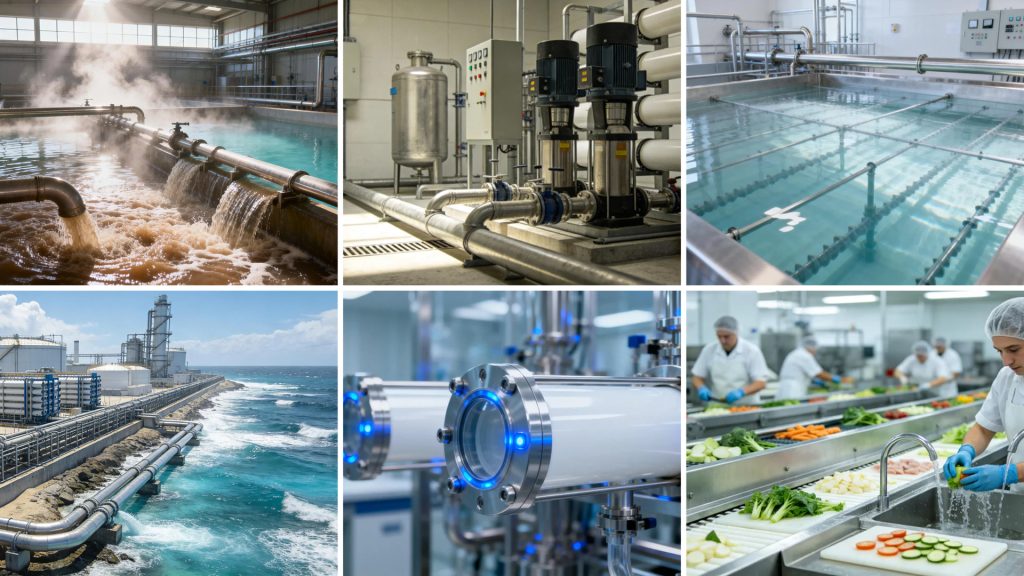
RO Filtration is widely used across industrial, commercial, and municipal sectors to produce high-quality purified water for different process requirements. Many industries choose customized Reverse Osmosis System solutions to achieve stable water quality and reliable operation. From seawater desalination and food production to pharmaceutical manufacturing and power generation, each application requires specific membrane configurations, pretreatment methods, and operating conditions. Understanding RO Filtration applications helps engineers and buyers select suitable systems that improve water quality, increase operational efficiency, reduce maintenance costs, and support long-term sustainable water management.

Common Applications of RO Filtration Systems

ApplicationMain Water Treatment PurposeKey RO Filtration Benefits
Industrial Water TreatmentProducing purified process water for manufacturing operationsRemoves dissolved solids, protects equipment, improves process stability
Food and Beverage ProductionProviding consistent-quality water for production and cleaningImproves product consistency and supports food safety requirements
Pharmaceutical IndustryProducing high-purity water for manufacturing and laboratoriesReduces contaminants and supports strict water quality standards
Seawater DesalinationConverting seawater into freshwater resourcesRemoves salts and provides reliable freshwater production
Municipal Water TreatmentImproving drinking water quality and removing contaminantsSupports safe water supply and regulatory compliance
Water Reuse and RecyclingTreating wastewater for reuse applicationsReduces freshwater consumption and improves resource efficiency
Power GenerationProducing boiler feedwater and cooling waterPrevents scaling, corrosion, and equipment damage

How Is RO Filtration Used in Industrial Water Treatment?

RO Filtration plays a critical role in industrial water treatment by removing dissolved salts, organic contaminants, and suspended impurities from process water. Industries such as chemicals, electronics, power generation, and manufacturing rely on RO Filtration to produce high-quality water that protects production equipment and improves product quality. Proper system design, pretreatment, and membrane selection help industrial users reduce operating costs, improve water recovery, and achieve stable long-term treatment performance under varying production conditions.

RO Filtration Applications in Industrial Process Water Treatment

Industrial processes often require high-quality water with controlled levels of dissolved solids, minerals, and contaminants. RO Filtration provides an effective solution by using semi-permeable membranes to separate impurities from feedwater and produce purified water. In manufacturing environments, RO Filtration helps protect sensitive equipment, improve production consistency, and reduce scaling or corrosion risks. By selecting suitable membranes, pretreatment systems, and operating parameters, industries can achieve efficient water purification while maintaining stable performance and reducing long-term operating costs.

RO Filtration Protection for Industrial Equipment Performance

RO Filtration helps protect industrial equipment by reducing dissolved minerals, salts, and contaminants that may cause scaling, corrosion, or performance problems. High-quality purified water improves the reliability of boilers, cooling systems, production lines, and other process equipment. Effective pretreatment before RO Filtration reduces membrane fouling and extends system lifespan. As a result, industries can minimize maintenance requirements, improve operational efficiency, and maintain consistent production performance.

Common Industrial Applications of RO Filtration Systems

RO Filtration systems are widely used in industries that require reliable water purification, including electronics manufacturing, chemical processing, pharmaceuticals, food production, and power generation. Electronics manufacturers use Ultrapure Water RO System solutions to produce low-conductivity water for precision processes, while chemical and pharmaceutical industries rely on purified water for production and cleaning applications. Each industry requires different system configurations based on water quality requirements, capacity needs, and operating conditions, making customized RO Filtration solutions essential for achieving optimal results.

RO Filtration Applications in Electronics and Manufacturing Industries

Electronics and manufacturing industries require highly purified water to prevent contamination and maintain product quality during production. RO Filtration removes dissolved ions, particles, and impurities that may affect manufacturing processes or equipment performance. Combined with suitable pretreatment and monitoring systems, RO Filtration provides stable water quality and supports demanding industrial applications. Reliable purification helps manufacturers improve production efficiency, reduce equipment issues, and maintain consistent product standards.

Efficiency Improvement Strategies for Industrial RO Filtration Systems

Optimizing an industrial RO Filtration system requires careful consideration of feedwater characteristics, membrane selection, operating pressure, recovery rate, and maintenance strategies. Proper system design helps minimize membrane fouling, reduce energy consumption, and maximize water production efficiency. Regular monitoring of pressure, flow rate, and water quality allows operators to identify performance changes and take preventive actions. An optimized RO Filtration system delivers reliable purification performance, extends membrane service life, and supports sustainable industrial water management.

Why Is RO Filtration Important for Food and Beverage Production?

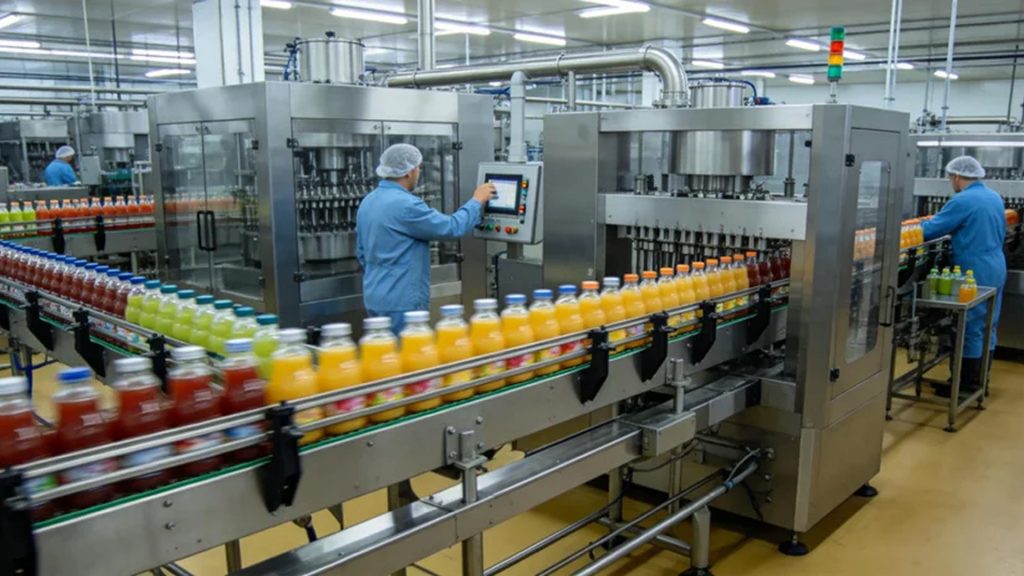
RO Filtration is widely applied in the food and beverage industry through specially designed Food Industry RO System solutions because it provides consistent water quality for beverage production, ingredient preparation, equipment cleaning, and process water treatment. Removing dissolved minerals, microorganisms, and unwanted contaminants helps improve product consistency, extend equipment life, and meet food safety standards. A properly designed RO Filtration system also supports water reuse initiatives and reduces operational costs while maintaining reliable production efficiency.

RO Filtration Benefits for Water Quality in Food and Beverage Production

Water quality directly affects the taste, safety, and consistency of food and beverage products. RO Filtration removes dissolved salts, minerals, organic compounds, and other impurities that may influence product characteristics. By producing purified process water with stable quality, RO Filtration helps manufacturers maintain consistent recipes, improve production reliability, and reduce variations caused by raw water conditions. A properly designed RO Filtration system provides an effective solution for meeting strict water quality requirements in modern food and beverage manufacturing.

RO Filtration Support for Beverage Production Quality

In beverage production, water is one of the most important ingredients that influences product taste and overall quality. RO Filtration helps remove unwanted minerals, odors, and contaminants from source water before it enters the production process. Consistent purified water allows manufacturers to maintain product flavor, improve batch stability, and reduce quality variations. By integrating RO Filtration with suitable pretreatment and monitoring systems, beverage producers can achieve reliable water purification performance and meet production requirements.

Food and Beverage Applications of RO Filtration Systems

RO Filtration systems are widely used in different food and beverage applications, including bottled water production, dairy processing, brewing, beverage manufacturing, and food ingredient preparation. These industries require reliable water purification to control dissolved solids, microorganisms, and chemical contaminants. Depending on the application, RO Filtration systems can be customized with different membrane configurations, pretreatment solutions, and capacities. Proper system selection helps food and beverage manufacturers improve efficiency, reduce water waste, and maintain consistent production standards.

RO Filtration Applications in Food Processing and Equipment Cleaning

Food processing facilities require high-quality water not only for production but also for equipment cleaning and sanitation processes. RO Filtration helps reduce contaminants that may affect hygiene standards, equipment performance, or product safety. Purified water minimizes scaling and residue buildup inside pipelines and processing equipment, reducing maintenance requirements. By providing stable water quality, RO Filtration supports efficient cleaning operations and helps food manufacturers maintain safe and reliable production environments.

RO Filtration System Selection for Food and Beverage Applications

Selecting the right RO Filtration system for food and beverage applications requires evaluating raw water quality, production capacity, required water purity, and operating conditions. Factors such as membrane type, pretreatment design, recovery rate, and cleaning requirements influence system performance. A well-designed RO Filtration solution should balance purification efficiency, energy consumption, maintenance needs, and regulatory requirements. Proper selection ensures reliable operation, extends membrane lifespan, and provides consistent water quality throughout the production process.

How Does RO Filtration Support Pharmaceutical Water Purification?

The pharmaceutical industry requires extremely high water quality for manufacturing, cleaning, and laboratory applications. RO Filtration removes dissolved salts, microorganisms, endotoxins, and organic contaminants before additional purification processes such as electrodeionization (EDI) or ultraviolet sterilization. Selecting the appropriate RO Filtration system helps pharmaceutical manufacturers maintain product quality, comply with regulatory requirements, and achieve reliable long-term operation with consistent purified water production.

Importance of RO Filtration in Pharmaceutical Water Treatment

RO Filtration is an essential purification technology in pharmaceutical water treatment because it effectively reduces dissolved impurities, microorganisms, organic substances, and other contaminants from feedwater. High-quality purified water is required for drug manufacturing, equipment cleaning, and laboratory processes where water purity directly affects product safety and consistency. By providing stable water quality before advanced purification stages, RO Filtration helps pharmaceutical facilities improve treatment efficiency, protect downstream equipment, and maintain reliable water purification performance.

RO Filtration Benefits for Pharmaceutical Water Quality Improvement

RO Filtration improves pharmaceutical water quality by using semi-permeable membranes to separate unwanted substances from feedwater. The process significantly reduces dissolved solids, salts, microorganisms, and organic contaminants that may affect pharmaceutical production. When combined with pretreatment and polishing technologies such as EDI or UV sterilization, RO Filtration helps achieve the high purity levels required for pharmaceutical applications. A properly designed system provides consistent purified water quality and supports strict production standards.

Pharmaceutical Applications of RO Filtration Systems

RO Filtration systems are widely used in pharmaceutical applications including purified water production, manufacturing processes, equipment cleaning, and laboratory preparation. These applications require stable water quality to prevent contamination risks and maintain product reliability. RO Filtration is often integrated with additional purification technologies to meet specific water quality requirements. By selecting suitable membrane configurations, pretreatment systems, and monitoring solutions, pharmaceutical manufacturers can achieve efficient purification and maintain consistent water supply for critical operations.

Pretreatment Importance Before Pharmaceutical RO Filtration

Pretreatment is essential before pharmaceutical RO Filtration because it protects membranes from fouling, scaling, and damage caused by suspended solids, organic matter, and hardness minerals. Common pretreatment methods include filtration, activated carbon treatment, softening, and chemical dosing. Effective pretreatment improves membrane performance, extends service life, and reduces cleaning frequency. For pharmaceutical applications, proper pretreatment design helps ensure the RO Filtration system maintains stable operation and produces consistent purified water quality.

RO Filtration System Selection for Pharmaceutical Applications

Selecting an RO Filtration system for pharmaceutical applications requires careful evaluation of feedwater characteristics, required water purity, production capacity, regulatory requirements, and integration with downstream purification processes. Factors such as membrane performance, system configuration, monitoring capability, and maintenance requirements influence long-term reliability. A properly designed RO Filtration solution helps pharmaceutical manufacturers achieve efficient purification, reduce operational risks, and maintain continuous production with consistent high-quality water.

 How Is RO Filtration Applied in Seawater Desalination?

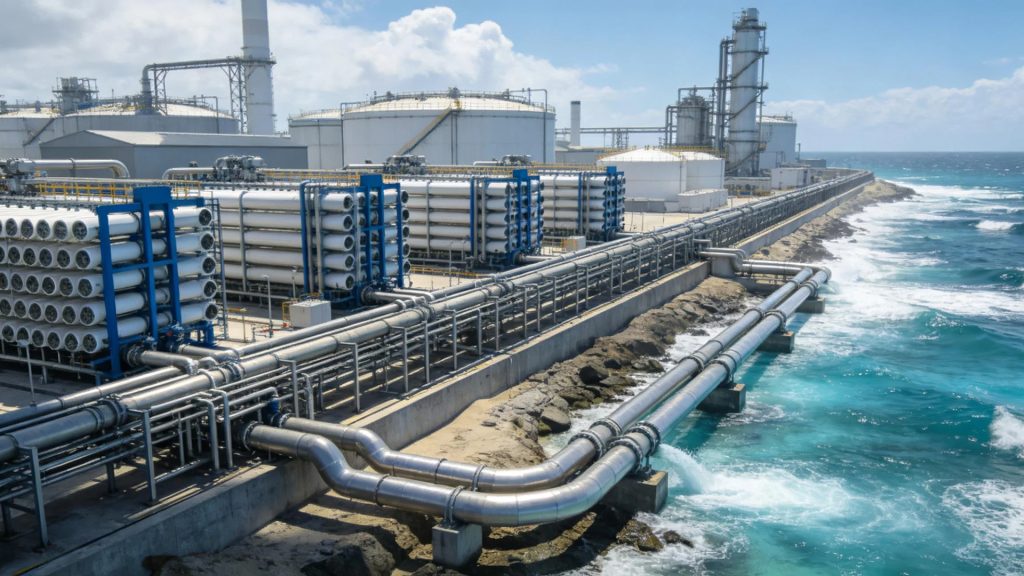
RO Filtration is one of the most widely used technologies for seawater desalination because it efficiently removes dissolved salts and produces fresh water suitable for municipal, industrial, and commercial use. Seawater applications require high-pressure pumps, corrosion-resistant materials, and effective pretreatment to minimize membrane fouling and scaling. Properly designed RO Filtration systems improve freshwater production, reduce energy consumption, and provide reliable operation in demanding desalination environments.

RO Filtration Effectiveness in Seawater Desalination

RO Filtration is widely used in seawater desalination because it can effectively remove dissolved salts, minerals, and other impurities from seawater under high operating pressure. The semi-permeable membrane allows water molecules to pass through while rejecting most dissolved substances, producing freshwater with improved quality. Compared with traditional desalination methods, RO Filtration offers high purification efficiency, flexible system design, and lower energy consumption. Proper membrane selection and operating control enable seawater RO systems to provide reliable freshwater production for different applications.

Salt Removal Process of RO Filtration in Seawater Desalination

RO Filtration removes salt from seawater by applying high pressure to force water through a specialized reverse osmosis membrane. The membrane structure blocks dissolved salts, ions, and other contaminants while allowing purified water to pass through. Because seawater contains high concentrations of dissolved solids, seawater RO Filtration systems require advanced membranes and carefully controlled operating conditions. Effective salt rejection helps produce high-quality freshwater and supports reliable desalination performance for industrial, municipal, and commercial water supply applications.

Key Components of a Seawater RO Filtration System

A seawater RO Filtration system includes several essential components designed to handle high salinity and challenging operating conditions. Key components include seawater intake systems, pretreatment units, high-pressure pumps, RO membrane modules, pressure vessels, and monitoring equipment. Each component contributes to stable operation by protecting membranes, maintaining required pressure, and controlling water quality. Proper system integration helps reduce fouling risks, improve energy efficiency, and extend the service life of seawater RO Filtration equipment.

Pretreatment Requirements for Seawater RO Filtration Performance

Pretreatment is a critical stage before seawater enters the RO Filtration process because seawater contains suspended particles, microorganisms, organic matter, and scaling compounds. Filtration, ultrafiltration, chemical dosing, and other pretreatment methods help reduce membrane fouling and protect RO elements from damage. Effective pretreatment improves system stability, reduces cleaning frequency, and extends membrane lifespan. For seawater desalination applications, proper pretreatment design is essential for maintaining long-term RO Filtration performance.

Efficiency Optimization Strategies for Seawater RO Filtration Systems

Improving seawater RO Filtration efficiency requires optimizing membrane performance, operating pressure, recovery rate, and energy management. Advanced membrane technologies, efficient high-pressure pumps, and accurate monitoring systems help reduce energy consumption while maintaining high freshwater production. Regular maintenance, including membrane cleaning and performance monitoring, prevents efficiency decline caused by fouling and scaling. A well-designed RO Filtration system achieves a balance between water output, energy efficiency, and long-term operational reliability in seawater desalination projects.

How Does RO Filtration Improve Municipal Water Treatment?

Municipal water treatment facilities use RO Filtration to improve drinking water quality by reducing dissolved solids, nitrates, heavy metals, microorganisms, and other contaminants. Depending on raw water quality and local regulations, RO Filtration may be integrated with pretreatment, activated carbon filtration, ultraviolet disinfection, or other purification technologies. A well-designed system helps municipalities provide safe, reliable drinking water while supporting sustainable water resource management.

RO Filtration Applications in Municipal Water Treatment Systems

RO Filtration is increasingly used in municipal water treatment because it provides effective removal of dissolved contaminants that conventional filtration methods may not completely eliminate. It can reduce total dissolved solids (TDS), salts, nitrates, heavy metals, and other unwanted substances from raw water sources. By producing high-quality treated water, RO Filtration helps municipalities improve drinking water safety, meet quality requirements, and provide reliable water supplies for residential and public use.

Contaminant Removal Capability of RO Filtration in Municipal Water Treatment

RO Filtration can remove a wide range of contaminants that affect municipal water quality, including dissolved salts, heavy metals, nitrates, fluoride, microorganisms, and organic compounds. The removal efficiency depends on membrane performance, feedwater characteristics, and system operating conditions. By selecting suitable RO Filtration membranes and supporting treatment processes, municipalities can address specific water quality challenges and improve the safety, reliability, and consistency of treated drinking water.

RO Filtration Integration With Municipal Water Treatment Processes

Municipal RO Filtration systems are often combined with other water treatment technologies to achieve better overall performance. Pretreatment methods such as media filtration, activated carbon filtration, and cartridge filtration help protect RO membranes from fouling. Additional processes such as ultraviolet disinfection or mineral adjustment may be applied after RO Filtration to meet specific drinking water requirements. Proper integration allows municipalities to optimize treatment efficiency while maintaining stable long-term operation.

Pretreatment Requirements Before Municipal RO Filtration

Pretreatment is essential before municipal RO Filtration because raw water may contain suspended particles, organic matter, microorganisms, and substances that can reduce membrane performance. Effective pretreatment lowers fouling and scaling risks, improves membrane lifespan, and reduces maintenance frequency. Depending on raw water conditions, municipalities may use filtration, activated carbon, softening, or chemical dosing before RO Filtration. Proper pretreatment design ensures stable operation and consistent treated water quality.

RO Filtration Contribution to Sustainable Municipal Water Management

RO Filtration supports sustainable municipal water management by improving water purification efficiency and enabling the treatment of challenging water sources. It can be applied in drinking water production, groundwater treatment, desalination projects, and water reuse systems. Through optimized system design, energy management, and membrane maintenance strategies, RO Filtration helps municipalities reduce water waste, improve resource utilization, and provide dependable water supplies for growing communities.

Why Is RO Filtration Used for Water Reuse and Recycling?

RO Filtration is an important technology for industrial and municipal water reuse because it removes dissolved contaminants from treated wastewater before reuse applications. High-quality reclaimed water can be used for cooling systems, boiler feedwater, irrigation, cleaning, and industrial production. Integrating RO Filtration into water recycling systems reduces freshwater consumption, lowers wastewater discharge, and supports sustainable environmental management while improving overall water resource efficiency.

RO Filtration Benefits for Effective Water Reuse

RO Filtration enables effective water reuse by removing dissolved salts, organic contaminants, and other impurities from treated wastewater. Many reuse applications require higher water quality than conventional wastewater treatment can provide, making RO Filtration an important advanced purification technology. By producing stable-quality reclaimed water, RO Filtration helps industries and municipalities reduce dependence on freshwater sources, improve water efficiency, and achieve sustainable resource management goals.

RO Filtration Applications in Water Recycling

RO Filtration is widely used in water recycling applications such as industrial process water reuse, cooling tower makeup water, boiler feedwater, equipment cleaning, and municipal water recovery projects. Different applications require different water quality levels, system capacities, and treatment configurations. A properly designed RO Filtration system can remove remaining dissolved contaminants from reclaimed water, making it suitable for demanding applications while improving overall water utilization efficiency.

RO Filtration Integration in Water Recycling Systems

RO Filtration is typically integrated with other treatment technologies to create complete water recycling solutions. Pretreatment processes such as filtration, ultrafiltration, or chemical dosing help protect RO membranes from fouling, while post-treatment methods may adjust water characteristics for specific reuse purposes. By combining RO Filtration with complementary technologies, water recycling systems can achieve better purification performance, longer membrane lifespan, and more reliable operation under changing wastewater conditions.

Pretreatment Requirements Before RO Filtration in Water Reuse Systems

Pretreatment plays a critical role in water reuse RO Filtration systems because treated wastewater may still contain suspended solids, organic matter, microorganisms, and scaling compounds. Effective pretreatment reduces membrane fouling risks, improves filtration stability, and extends RO membrane service life. Depending on water characteristics, solutions such as cartridge filtration, ultrafiltration, activated carbon, or chemical dosing may be applied before RO Filtration to maintain consistent performance and reduce maintenance requirements.

RO Filtration Contribution to Sustainable Water Management

RO Filtration supports sustainable water management by helping organizations recycle treated wastewater and reduce freshwater consumption. Industrial facilities can reuse purified water for production processes, cooling systems, and cleaning operations, while municipalities can improve water resource availability through advanced treatment solutions. Optimized RO Filtration systems balance purification efficiency, energy consumption, and maintenance requirements, providing a reliable approach for long-term water conservation and environmental protection.

How Does RO Filtration Benefit Power Generation Applications?

Power plants require high-purity water for boiler feed, cooling systems, and steam generation to prevent scaling and corrosion. RO Filtration effectively removes dissolved minerals and impurities that may damage equipment or reduce operating efficiency. Proper pretreatment, membrane selection, and system monitoring help maintain stable water quality while reducing maintenance requirements and extending equipment service life. Reliable RO Filtration systems support efficient and continuous power generation operations.

Importance of RO Filtration in Power Plant Water Treatment

RO Filtration is an essential technology in power plant water treatment because high-quality water is required to maintain efficient operation of boilers, turbines, and cooling systems. Dissolved minerals and impurities in untreated water can cause scaling, corrosion, and reduced heat transfer efficiency. By removing salts, dissolved solids, and other contaminants, RO Filtration helps power plants produce cleaner process water, improve equipment reliability, and reduce maintenance costs throughout long-term operation.

RO Filtration Support for Boiler Feedwater and Steam Generation

Boiler feedwater quality directly affects the performance and lifespan of steam generation equipment. RO Filtration helps reduce dissolved solids, hardness minerals, and contaminants that may accumulate inside boilers and create operational problems. By providing consistent purified water, RO Filtration supports efficient steam production, minimizes chemical treatment requirements, and helps maintain stable operating conditions. Properly designed systems ensure reliable water quality for power generation processes with demanding purity requirements.

Pretreatment Requirements Before Power Plant RO Filtration

Pretreatment is critical before RO Filtration in power generation applications because raw water may contain suspended solids, organic matter, hardness compounds, and other substances that can affect membrane performance. Filtration, softening, activated carbon treatment, and chemical dosing are commonly used to protect RO membranes from fouling and scaling. Effective pretreatment improves system stability, extends membrane service life, and helps power plants maintain continuous water purification performance with reduced maintenance requirements.

RO Filtration System Performance Optimization in Power Plants

Optimizing RO Filtration performance in power plants requires proper membrane selection, operating pressure control, regular monitoring, and preventive maintenance. Parameters such as conductivity, flow rate, pressure, and recovery rate should be monitored to ensure stable operation. Efficient system design helps reduce energy consumption, prevent membrane degradation, and maintain consistent water quality. A well-managed RO Filtration system improves overall plant efficiency and provides reliable support for continuous power generation activities.

How to Select the Right RO Filtration System for Different Applications?

Selecting the appropriate RO Filtration system depends on water source, application requirements, production capacity, water quality objectives, and operating conditions. Different industries require customized membrane types, pretreatment equipment, pressure configurations, and monitoring systems to achieve optimal performance. Evaluating these factors helps engineers choose RO Filtration solutions that provide reliable water purification, lower operating costs, and long-term operational stability across diverse industrial and municipal applications.

Water Source Factors Affecting RO Filtration System Selection

Water source characteristics are one of the most important factors when selecting an RO Filtration system. Different sources, including seawater, groundwater, municipal water, and industrial wastewater, contain different levels of dissolved solids, hardness, organic matter, and contaminants. A detailed water analysis helps determine suitable membrane types, pretreatment requirements, and operating conditions. Properly matching RO Filtration equipment with feedwater characteristics improves purification efficiency, reduces fouling risks, and ensures stable long-term system performance.

Factors Affecting RO Filtration System Selection

Selection FactorWhy It Matters
Water SourceDetermines contaminant levels and required treatment processes
Feedwater QualityInfluences membrane selection and pretreatment requirements
Required Water QualityDefines purification targets and system configuration
Production CapacityDetermines equipment size and membrane quantity
Operating PressureAffects energy consumption and filtration efficiency
Recovery RateInfluences water utilization and wastewater generation
Maintenance RequirementsImpacts long-term operating costs and reliability

Application Requirements Influencing RO Filtration System Design

Different applications require different RO Filtration system configurations based on water quality targets, production capacity, and operating conditions. For example, pharmaceutical and electronics industries require higher purity water, while industrial processes may focus on equipment protection and water reuse. Factors such as recovery rate, permeate quality, energy consumption, and installation space influence system design. Selecting the right RO Filtration solution helps users achieve the required water quality while maintaining efficient and reliable operation.

Pretreatment Considerations for RO Filtration System Selection

Pretreatment selection is a critical consideration when designing an RO Filtration system because it directly affects membrane performance and service life. Depending on feedwater conditions, pretreatment may include sediment filtration, activated carbon treatment, softening, ultrafiltration, or chemical dosing. Effective pretreatment reduces suspended solids, scaling compounds, and organic contaminants before water reaches the RO membrane. A suitable pretreatment strategy improves system stability, lowers maintenance frequency, and helps maintain consistent filtration performance.

Membrane and Operating Parameter Selection for RO Filtration

Membrane selection and operating parameters have a significant impact on RO Filtration efficiency and water quality. Engineers should consider factors such as salt rejection rate, membrane material, operating pressure, temperature, and recovery ratio when designing a system. Different applications may require different membrane configurations to balance purification performance and energy consumption. Proper parameter selection helps optimize water production, reduce operating costs, and ensure reliable RO Filtration performance under various operating conditions.

Long-Term Performance Management of RO Filtration Systems

Long-term RO Filtration performance depends on proper system design, regular monitoring, preventive maintenance, and effective membrane management. Operators should track key parameters such as pressure, flow rate, conductivity, and recovery rate to identify performance changes early. Routine cleaning and timely maintenance help prevent fouling and scaling while extending membrane lifespan. Choosing an experienced RO Filtration supplier with engineering support also helps ensure reliable operation and sustainable water treatment performance throughout the system lifecycle.

RO Filtration Maintenance Considerations

Maintenance ItemPurposeExpected Benefit
Pressure MonitoringDetect abnormal operating conditionsPrevent system performance decline
Flow Rate MonitoringEvaluate membrane productivityMaintain stable water output
Conductivity TestingCheck permeate qualityEnsure purification performance
Membrane CleaningRemove fouling and scaling depositsExtend membrane lifespan
Pretreatment InspectionProtect RO membranesReduce maintenance frequency

RO System Components: Key Parts and Functions

An RO System is a water treatment solution that uses reverse osmosis technology to remove dissolved salts, impurities, and contaminants from water. Understanding RO System components helps engineers and buyers evaluate system performance, maintenance needs, and long-term reliability. Key parts such as RO membranes, pretreatment units, high-pressure pumps, and control systems work together to ensure stable water quality and efficient operation for different industrial applications.

Key Components of an RO System and Their Functions

RO System ComponentMain FunctionImpact on System Performance
RO MembraneRemoves dissolved salts, minerals, and contaminants through reverse osmosis filtrationDetermines water quality, salt rejection rate, and purification efficiency
Pretreatment SystemRemoves suspended solids, chlorine, hardness, and organic matter before membrane filtrationReduces fouling and scaling risks and extends membrane lifespan
High-Pressure PumpProvides the pressure required for water to pass through the RO membraneAffects water production capacity, energy consumption, and system efficiency
Pressure VesselHolds RO membrane elements and withstands high operating pressureEnsures safe membrane operation and system stability
Control SystemMonitors pressure, flow, conductivity, and water quality parametersImproves automation, reliability, and operational control
Storage Tank & Post-TreatmentStores treated water and adjusts final water qualityEnsures stable water supply and meets application requirements

RO System Membrane: The Core Component for Water Purification

The RO System membrane is the key filtration component that removes dissolved solids, salts, and impurities from water. Under high pressure, water molecules pass through the semi-permeable membrane while unwanted substances are rejected. Membrane performance directly affects water quality, salt rejection rate, and system efficiency. Selecting the right membrane based on feedwater conditions and application requirements helps reduce fouling, extend membrane life, and maintain reliable RO System operation.

RO System Membrane Working Principle in the Reverse Osmosis Process

The RO System membrane works by using pressure to separate pure water molecules from dissolved contaminants through a semi-permeable membrane layer. During the reverse osmosis process, feedwater is pushed across the RO membrane surface, allowing water molecules to pass while rejecting salts, minerals, microorganisms, and other impurities. The efficiency of an RO System depends greatly on membrane performance, including salt rejection rate, water permeability, and resistance to fouling.

Factors Affecting RO System Membrane Performance and Lifespan

The performance and lifespan of an RO System membrane are influenced by several operating conditions, including feedwater quality, pressure, temperature, and pretreatment effectiveness. High levels of suspended solids, organic matter, or hardness minerals can increase fouling and scaling risks, reducing membrane efficiency and water quality. Proper pretreatment, regular monitoring, and suitable operating parameters help protect the RO membrane and maintain stable RO System performance. By optimizing these factors, users can improve membrane durability, reduce maintenance costs, and ensure reliable water treatment operation.

Feedwater Quality Impact on RO System Membrane Performance

Feedwater quality is one of the most important factors affecting RO System membrane performance and operating stability. Parameters such as total dissolved solids (TDS), hardness, organic matter, and suspended particles can influence membrane fouling and scaling risks. Poor feedwater conditions may reduce water production capacity and shorten membrane service life. By analyzing feedwater characteristics and applying suitable pretreatment methods, an RO System can maintain stable filtration performance, improve membrane efficiency, and achieve consistent treated water quality.

Maintenance Strategies for Extending RO System Membrane Lifespan

Proper maintenance is essential for extending the lifespan of an RO System membrane and maintaining reliable water treatment performance. Regular monitoring of pressure, flow rate, and water quality helps identify potential problems before they affect system operation. Periodic membrane cleaning, fouling control, and optimized operating conditions can reduce performance decline over time. Effective maintenance practices allow the RO System to operate efficiently, lower replacement costs, and ensure long-term membrane reliability in industrial applications.

Types of RO Membranes Used in an RO System

Common Types of RO System Membranes

RO Membrane TypeApplicationKey Characteristics
Brackish Water RO MembraneGroundwater and industrial water treatmentSuitable for moderate salinity water with high salt rejection
Seawater RO MembraneSeawater desalination applicationsDesigned for high-pressure operation and high salt removal
Industrial RO MembraneFactory water purification and process water treatmentProvides stable performance for continuous operation
High-Purity RO MembraneElectronics, pharmaceutical, and laboratory industriesDesigned for applications requiring strict water quality standards

Different types of RO membranes are used in an RO System depending on water sources, treatment goals, and operating conditions. Common membrane types include brackish water RO membranes, seawater RO membranes, and high-performance membranes for industrial applications. Each membrane has different characteristics in terms of salt rejection rate, water permeability, and fouling resistance. Selecting the suitable RO membrane helps the RO System achieve better purification efficiency, stable operation, and longer service life. Proper membrane selection based on feedwater quality and application requirements is essential for reliable water treatment performance.

RO System Pretreatment: Protecting Membrane Performance

The RO System pretreatment unit prepares feedwater before it enters the membrane stage. It removes suspended particles, organic matter, hardness, and other substances that may cause fouling or scaling. Common methods include filtration, softening, activated carbon treatment, and chemical dosing. Proper pretreatment improves membrane protection, reduces maintenance frequency, and helps the RO System achieve stable performance with consistent treated water quality.

RO System Pretreatment Methods for Membrane Protection

RO System pretreatment plays a critical role in protecting the RO membrane by removing contaminants that may affect filtration performance. Before water enters the membrane stage, pretreatment processes reduce suspended solids, organic compounds, chlorine, and hardness minerals that can cause fouling or scaling. A properly designed RO System pretreatment solution helps maintain stable water flow, improve salt rejection performance, and extend membrane service life. By matching pretreatment methods with feedwater conditions, users can improve system reliability and reduce long-term maintenance requirements.

Common Pretreatment Methods Used in an RO System

Common Pretreatment Methods for an RO System

Pretreatment MethodRemovesBenefits for RO System
Multimedia FiltrationSuspended solids and particlesProtects membrane surface from fouling
Activated Carbon FiltrationChlorine and organic compoundsPrevents membrane damage and improves water quality
Water SofteningCalcium and magnesium ionsReduces scaling risk on RO membranes
Cartridge FiltrationFine particlesProvides final protection before membrane filtration
Chemical DosingScale-forming substancesImproves membrane stability and operating efficiency

Different RO System applications require suitable pretreatment methods based on feedwater quality and operating conditions. Common solutions include multimedia filtration for removing suspended particles, activated carbon filtration for reducing organic matter and chlorine, water softening for controlling hardness, and chemical dosing for preventing scaling. These pretreatment processes work together to create better feedwater conditions for the RO membrane. Selecting the right pretreatment configuration helps the RO System achieve higher efficiency, stable operation, and consistent treated water quality.

Activated Carbon Filtration in RO System Pretreatment

Activated carbon filtration is an important pretreatment step in an RO System, especially when feedwater contains chlorine, organic compounds, or unpleasant odors. Activated carbon removes chlorine and organic contaminants that may damage the RO membrane and reduce filtration performance. By improving feedwater quality before the membrane stage, this process helps prevent membrane degradation and maintain stable operation. Properly designed activated carbon filtration supports longer membrane lifespan, reduces maintenance needs, and improves the overall reliability of the RO System.

Water Softening Support in RO System Pretreatment

Water softening is an important pretreatment method in an RO System, especially when feedwater contains high levels of hardness minerals such as calcium and magnesium. These minerals may cause scaling on the RO membrane surface and reduce filtration efficiency. By removing hardness before water enters the membrane stage, softening systems help prevent scaling, improve membrane performance, and extend service life. Proper water softening design allows the RO System to operate more efficiently and maintain stable water quality during long-term operation.

RO System High-Pressure Pump: Providing Required Pressure

The high-pressure pump is an essential component of an RO System because it provides the pressure needed for reverse osmosis filtration. Proper pump selection affects water production capacity, energy consumption, and overall system efficiency. The pump must match feedwater conditions, flow requirements, and operating pressure. A reliable high-pressure pump ensures stable water flow and supports efficient RO System operation in industrial water treatment applications.

How Does a High-Pressure Pump Support RO System Operation?

The high-pressure pump is a key power component in an RO System, providing the pressure required to push feedwater through the RO membrane. Since reverse osmosis relies on pressure to overcome osmotic pressure, pump performance directly affects water production, filtration efficiency, and treated water quality. A properly operating high-pressure pump helps maintain stable flow, optimize membrane performance, and improve overall RO System reliability. Selecting a pump with suitable pressure and flow capacity ensures efficient operation and reduces unnecessary energy consumption in industrial water treatment processes.

Key Selection Factors for an RO System High-Pressure Pump

Factors Affecting RO System High-Pressure Pump Selection

Selection FactorWhy It Matters
Operating PressureDetermines whether water can pass through the RO membrane effectively
Flow RateAffects system production capacity and water output
Energy EfficiencyInfluences long-term operating costs
Material CompatibilityEnsures durability under different water conditions
Pump ReliabilityReduces downtime and maintenance requirements

Choosing the right pump for an RO System requires careful evaluation of feedwater conditions, system capacity, operating pressure, and energy efficiency requirements. The pump should be matched with membrane specifications and the expected water production rate to achieve stable performance. Factors such as material durability, pressure control, and operating environment also influence pump reliability. A suitable high-pressure pump helps the RO System maintain consistent water output, reduce operating costs, and support long-term performance in industrial applications.

Pump Pressure Requirements for Efficient RO System Operation

The pressure requirement of an RO System pump depends on factors such as feedwater quality, membrane type, salt concentration, and system design. A high-pressure pump must provide sufficient pressure to overcome osmotic pressure and maintain proper water flow through the RO membrane. If the pressure is too low, water production and filtration efficiency may decrease. Selecting the correct pressure level helps the RO System achieve stable performance while avoiding unnecessary energy consumption and improving overall system efficiency.

Energy Efficiency Considerations for RO System High-Pressure Pumps

Energy consumption is an important factor when selecting a high-pressure pump for an RO System, especially in industrial applications with continuous operation. An efficient pump design can reduce power usage while maintaining the required operating pressure and water production capacity. Factors such as pump efficiency, motor performance, flow control, and operating conditions should be considered during system design. Optimizing pump energy performance helps lower operating costs and improves the long-term economic value of the RO System.

How Pump Materials Affect RO System Reliability

The materials used in an RO System high-pressure pump directly influence durability, corrosion resistance, and service life. Different feedwater conditions may require pumps made from suitable materials to handle varying levels of salinity, chemicals, or contaminants. Selecting corrosion-resistant and reliable pump materials reduces equipment failure risks and maintenance requirements. Proper material selection ensures stable pump operation and supports the long-term reliability of the entire RO System, particularly in demanding industrial water treatment environments.

Pump Performance Impact on RO System Efficiency

The performance of a high-pressure pump directly influences the efficiency and reliability of an RO System. A properly selected pump maintains suitable operating pressure, ensures stable water flow, and supports effective membrane filtration. Poor pump performance may lead to reduced water production, higher energy consumption, and unstable system operation. By optimizing pump capacity, pressure control, and energy efficiency, an RO System can achieve better treatment results while reducing long-term operating costs in industrial water treatment applications.

RO System Pressure Vessel: Supporting Membrane Operation

The pressure vessel is a protective housing that contains RO membrane elements and withstands high operating pressure. It ensures proper water flow through the membrane surface while protecting the membrane components during operation. The design, material, and pressure rating of the vessel influence system safety and durability. A suitable pressure vessel helps maintain stable RO System performance and extends the service life of membrane elements.

RO System Pressure Vessel Protection for Membrane Elements

The RO System pressure vessel is designed to hold membrane elements and provide a secure environment for reverse osmosis operation. During the filtration process, the vessel withstands high pressure while maintaining proper water flow through the membrane surface. It protects RO membranes from mechanical stress and helps ensure stable filtration performance. A reliable pressure vessel supports consistent water production, improves system safety, and extends membrane service life. In industrial RO System applications, selecting a suitable pressure vessel is essential for maintaining long-term equipment reliability.

Key Selection Factors for an RO System Pressure Vessel

Selecting the right pressure vessel for an RO System requires consideration of operating pressure, membrane configuration, material quality, and application requirements. The vessel must have sufficient pressure resistance to safely contain membrane elements during continuous operation. Factors such as corrosion resistance, durability, and compatibility with different membrane sizes also affect system performance. A properly selected pressure vessel helps reduce operational risks, protect RO membranes, and ensure the RO System delivers stable and efficient water treatment performance.

RO System Control System: Monitoring and Optimizing Performance

The control system helps maintain stable RO System operation by monitoring important parameters such as pressure, flow rate, and water quality. Devices including pressure gauges, flow meters, and conductivity sensors provide real-time operating information. These monitoring tools help detect problems, improve efficiency, and reduce downtime. A reliable control system allows operators to optimize performance and ensure consistent water quality in long-term RO System applications.

Key Monitoring Parameters of an RO System Control System

The RO System control system monitors key operating parameters to ensure stable and efficient water treatment performance. Important data such as feed pressure, operating pressure, flow rate, conductivity, and water quality indicators help operators understand system conditions in real time. By continuously tracking these parameters, the control system can identify abnormal operation, prevent potential issues, and maintain consistent treated water quality. Effective monitoring is especially important for industrial RO System applications that require reliable performance, continuous operation, and reduced maintenance requirements.

RO System Control System Optimization for Improved Operation Efficiency

An advanced RO System control system improves efficiency by automating operation management and optimizing system performance. Through real-time data collection and automatic adjustments, the control system helps maintain proper pressure, flow balance, and water quality output. It reduces manual operation requirements, minimizes downtime, and supports preventive maintenance. For industrial applications, a reliable control system allows the RO System to operate more consistently while reducing energy consumption and operating costs. Proper control integration ensures long-term reliability and stable water treatment results.

Automation Benefits for RO System Operation

Automation technology improves RO System operation by reducing manual adjustments and maintaining stable treatment conditions. Automated control systems can monitor pressure, flow rate, conductivity, and other important parameters in real time. When abnormal conditions occur, the system can provide alerts or automatically adjust operating settings. This improves operational safety, reduces downtime, and helps maintain consistent water quality. For industrial applications, automation allows the RO System to achieve higher reliability and more efficient long-term performance.

RO System Storage and Post-Treatment: Improving Water Quality

Storage tanks and post-treatment units support the final performance of an RO System after filtration. Storage tanks provide a stable treated water supply, while post-treatment processes adjust water characteristics for specific applications. Common solutions include UV sterilization, pH adjustment, and final filtration. These components help maintain consistent water quality and allow the RO System to meet different industrial and commercial water treatment requirements.

RO System Storage Tank Management for Stable Treated Water Supply

The RO System storage tank plays an important role in managing treated water after the reverse osmosis process. It provides a stable water supply for downstream applications and helps balance variations between water production and consumption. A properly designed storage tank protects treated water quality by reducing contamination risks and maintaining suitable storage conditions. In industrial RO System applications, selecting the right tank capacity and material ensures reliable operation, supports continuous water availability, and improves the overall efficiency of the water treatment system.

Common Post-Treatment Methods Used in an RO System

Post-treatment processes are used in an RO System to further improve treated water quality according to specific application requirements. Common methods include UV sterilization, pH adjustment, mineral adjustment, and final filtration. These processes help control remaining microorganisms, stabilize water characteristics, and achieve the required quality standards for different industries. By combining suitable post-treatment solutions with the RO System, users can obtain more consistent water quality, improve system reliability, and meet the demands of industrial and commercial water treatment applications.

How RO System Components Work Together for Better Results

Each RO System component has a specific function, but overall performance depends on how these parts work together. Pretreatment protects the membrane, the pump provides operating pressure, the membrane removes contaminants, and the control system maintains stability. A well-designed RO System balances water quality, energy consumption, recovery rate, and maintenance requirements to provide reliable and cost-effective water treatment performance.

RO System Component Coordination During Water Treatment

Each RO System component plays a different role in the overall water treatment process, and their coordination determines system performance. The pretreatment unit prepares feedwater by removing particles and contaminants, the high-pressure pump provides the pressure required for filtration, and the RO membrane separates dissolved substances from water. Meanwhile, the control system monitors operating conditions and maintains system stability. When all components are properly matched, the RO System can achieve reliable water quality, efficient operation, and long-term performance.

RO System Integration Benefits for Efficiency and Reliability

A well-integrated RO System requires accurate matching between components, operating conditions, and treatment goals. Proper system design helps balance important factors such as water quality, recovery rate, energy consumption, and maintenance requirements. When components work together efficiently, the RO System can reduce operational problems, improve equipment lifespan, and lower lifecycle costs. For industrial applications, optimized component integration ensures consistent treated water output and provides a reliable water treatment solution for long-term operation.

How to Select the Right RO System Components

Selecting suitable components for an RO System requires analyzing feedwater quality, production capacity, target water quality, and operating conditions. Different projects may require customized combinations of membranes, pretreatment systems, pumps, and monitoring equipment. Proper component selection improves efficiency, reduces operating costs, and ensures reliable performance. Choosing an experienced RO System manufacturer helps achieve a complete solution for specific water treatment needs.

Key Factors for Selecting the Right RO System

Selection FactorQuestions to Consider
Feedwater QualityWhat contaminants, TDS levels, and hardness exist in the water source?
Water CapacityHow much treated water is required per day?
Target Water QualityWhat purity level does the application require?
Operating ConditionsWhat pressure, temperature, and space limitations exist?
Maintenance RequirementsHow often should components be cleaned or replaced?

Key Evaluation Factors for RO System Component Selection

Selecting the right RO System components requires a detailed evaluation of water conditions, treatment goals, and operating requirements. Important factors include feedwater quality, dissolved solids level, required water production capacity, target water quality, and available installation space. The selection of membranes, pretreatment units, pumps, and control systems should be matched with actual application needs. Proper component evaluation helps the RO System achieve higher efficiency, stable operation, and lower maintenance costs throughout its service life.

Feedwater Analysis for Optimized RO System Selection

Feedwater analysis is an essential step in selecting the right RO System configuration for different applications. Testing parameters such as TDS level, hardness, temperature, and contaminant concentration helps determine suitable membranes, pretreatment processes, pump specifications, and operating conditions. Accurate water analysis allows engineers to design an RO System that meets required water quality targets while improving efficiency and reducing operational costs. A data-based selection process ensures reliable performance and long-term system value.

Experienced RO System Manufacturer Support for Component Selection

Working with an experienced RO System manufacturer helps ensure that all components are properly designed, selected, and integrated into a complete water treatment solution. Professional manufacturers can analyze feedwater conditions, recommend suitable configurations, and customize systems according to different application requirements. A reliable RO System supplier provides technical expertise, equipment quality, and long-term support, helping users improve system reliability, reduce operational risks, and achieve consistent water treatment performance.

Customized Design Benefits for RO System Performance

A customized design approach helps an RO System meet specific water treatment requirements and operating conditions. Different industries may require different solutions based on feedwater quality, production capacity, and final water standards. Customized system design allows manufacturers to select suitable membranes, pumps, pretreatment units, and control systems for each project. This improves efficiency, reduces unnecessary operating costs, and ensures reliable performance. Working with an experienced RO System manufacturer helps customers achieve a solution that matches their actual application needs.

Reverse Osmosis Drinking System for Long-Term Performance

A reverse osmosis drinking system is a water purification solution designed to remove dissolved salts, impurities, and contaminants through reverse osmosis membrane technology. Combining pretreatment units, RO membranes, high-pressure pumps, and control systems, it delivers reliable purified water for residential, commercial, and industrial applications. Understanding the principles, components, performance factors, and maintenance requirements of a reverse osmosis drinking system helps users choose suitable solutions, improve water quality, reduce costs, and achieve long-term reliability.

Understanding the Basics of a Reverse Osmosis Drinking System

A reverse osmosis drinking system uses membrane separation technology to remove dissolved salts, impurities, and contaminants from water. By applying pressure, water passes through the RO membrane while unwanted substances are rejected. A complete system usually includes pretreatment units, membranes, pumps, and control devices. Understanding these components helps users evaluate system reliability and maintenance needs. Proper design and equipment selection are essential for maintaining stable water quality and long-term operating performance.

Key Components of a Reverse Osmosis Drinking System

ComponentMain FunctionContribution to Long-Term Performance
Pretreatment UnitRemoves suspended solids, chlorine, and hardness before membrane filtrationReduces fouling risk and protects RO membranes
RO MembraneSeparates dissolved salts and contaminants from waterEnsures stable purification efficiency and water quality
High-Pressure PumpProvides required pressure for membrane filtrationMaintains consistent water flow and system efficiency
Control SystemMonitors pressure, flow, and water quality parametersImproves operation stability and reduces maintenance risks

How a Reverse Osmosis Drinking System Works

A reverse osmosis drinking system uses pressure-driven membrane technology to separate purified water from dissolved salts, impurities, and contaminants. During operation, feed water passes through the RO membrane, where water molecules can flow through while unwanted substances are rejected. This filtration process helps produce consistent purified water quality for different applications. Understanding the working principle of an RO system allows users to evaluate equipment performance, efficiency, and long-term reliability.

 The Role of RO Membranes in Water Purification

The RO membrane is the core filtration component of a reverse osmosis drinking system. Its semi-permeable structure allows water molecules to pass through while blocking dissolved solids, microorganisms, and other contaminants. Membrane performance directly affects water quality, recovery rate, and system efficiency. Selecting suitable membrane materials and operating conditions helps maintain stable filtration performance and extend equipment lifespan.

Key Components Supporting RO System Operation

A complete reverse osmosis drinking system includes multiple components, such as pretreatment units, high-pressure pumps, membrane modules, and control systems. Pretreatment protects membranes from fouling, pumps provide the required operating pressure, and control devices monitor system conditions. The cooperation of these components ensures reliable operation, reduces maintenance requirements, and supports long-term performance in water treatment applications.

Factors Affecting Long-Term RO Drinking System Performance

The performance of a reverse osmosis drinking system depends on feed water quality, system design, operating conditions, and maintenance practices. High turbidity, hardness, or organic content can accelerate membrane fouling and reduce efficiency. Proper system configuration based on water conditions helps prevent operational problems. Selecting reliable components and optimizing pressure, recovery rate, and filtration processes can improve stability, reduce downtime, and extend the service life of the RO system.

Factors Affecting Long-Term RO Drinking System Performance

FactorPotential ProblemRecommended Solution
High TurbidityCauses membrane fouling and pressure increaseInstall effective sediment filtration
High HardnessLeads to scaling on membrane surfacesUse softening treatment or antiscalant dosing
Organic ContaminantsReduces membrane efficiencyApply activated carbon filtration
Improper Operating PressureIncreases energy consumption and membrane stressOptimize system operating parameters
Poor MaintenanceCauses performance decline and unexpected downtimeFollow regular inspection and cleaning schedules

How Feed Water Quality Influences RO System Performance

The quality of feed water is one of the most important factors affecting the stability of a reverse osmosis drinking system. Different water sources may contain varying levels of suspended solids, hardness, organic matter, and dissolved minerals. These substances can influence membrane performance and increase the risk of fouling or scaling. Evaluating feed water characteristics before system installation helps determine suitable pretreatment solutions and operating conditions, ensuring more reliable long-term operation.

The Impact of Turbidity and Suspended Solids on RO Membranes

High turbidity and suspended particles can accumulate on the surface of RO membranes, causing increased pressure loss and reduced water production. Proper filtration before the membrane stage helps remove these particles and protects the reverse osmosis drinking system from performance decline. Effective pretreatment reduces cleaning frequency and helps maintain stable filtration efficiency over long operating periods.

Managing Hardness and Organic Contaminants

Hardness minerals and organic substances can contribute to scaling and biological fouling in RO systems. If these contaminants are not properly controlled, membrane efficiency may decrease and maintenance requirements may increase. Using appropriate pretreatment methods, such as softening or activated carbon filtration, helps improve membrane protection and supports consistent performance of the RO drinking system.

The Role of System Design and Maintenance in Long-Term Operation

A well-designed reverse osmosis drinking system should match specific water conditions, capacity requirements, and operational goals. System configuration, component selection, pressure control, and recovery rate optimization all influence efficiency and service life. In addition, regular maintenance and monitoring ensure that potential problems are identified early. Proper design combined with effective maintenance strategies helps reduce downtime and improve overall system reliability.

Optimizing Operating Parameters for Better Efficiency

Operating parameters such as pressure, flow rate, and recovery rate directly affect RO system performance. Excessive pressure may increase energy consumption, while unsuitable recovery rates can accelerate scaling risks. By optimizing these conditions, a reverse osmosis drinking system can achieve better efficiency, lower operating costs, and more stable purified water output.

The Importance of Regular Maintenance and Component Selection

Reliable components and proper maintenance practices are essential for extending the lifespan of an RO system. High-quality membranes, pumps, and control devices improve system durability, while regular inspections help prevent unexpected failures. A comprehensive maintenance strategy ensures the reverse osmosis drinking system continues delivering stable performance throughout its service life.

How Pretreatment Protects a Reverse Osmosis Drinking System

Pretreatment is essential for protecting the RO membrane and improving system durability. Processes such as sediment filtration, activated carbon filtration, and other pretreatment methods help protect RO membranes before water enters the membrane stage. For different applications, membrane technologies such as ultrafiltration membrane and MBR membrane may also be used as part of advanced water treatment solutions.Effective pretreatment reduces fouling and scaling risks, allowing the reverse osmosis drinking system to operate more efficiently. A suitable pretreatment design helps maintain stable water production and extends membrane service life.

The Role of Pretreatment in Protecting RO Membrane Performance

Pretreatment is a critical stage in a reverse osmosis drinking system because it prepares feed water before entering the RO membrane unit. By removing suspended solids, chlorine, hardness, and other contaminants, pretreatment reduces the risk of membrane damage and improves filtration stability. A properly designed pretreatment process helps maintain consistent water flow, reduce cleaning frequency, and support long-term system performance. Selecting suitable pretreatment methods based on raw water conditions is essential for achieving reliable purification results and extending the overall service life of the RO system.

Removing Suspended Solids Through Sediment Filtration

Sediment filtration is an important pretreatment process used to protect the membrane components of a reverse osmosis drinking system. Suspended particles, sand, and impurities in feed water can accumulate on the membrane surface, increasing pressure loss and reducing filtration efficiency. By removing these particles before the RO stage, sediment filters help maintain stable operating conditions and prevent premature membrane fouling. Effective particle removal improves water quality consistency and supports reliable long-term operation of the entire water treatment system.

Reducing Chlorine Damage with Activated Carbon Filtration

Activated carbon filtration helps protect RO membranes by removing chlorine and organic substances from feed water. Chlorine exposure can damage membrane materials and gradually reduce rejection performance, affecting the efficiency of a reverse osmosis drinking system. Through effective chlorine removal, activated carbon filters improve membrane durability and reduce the risk of performance decline. This pretreatment step is especially important for systems requiring continuous operation, as it helps maintain stable purification results and extend membrane replacement intervals.

How Pretreatment Reduces Fouling and Improves RO System Lifespan

Effective pretreatment directly influences the reliability and operating cost of a reverse osmosis drinking system. By controlling contaminants before they reach the membrane stage, pretreatment reduces scaling, fouling, and unnecessary maintenance requirements. Different water sources, including seawater sources, require different treatment solutions based on hardness, turbidity, and organic content. A properly configured pretreatment system allows RO equipment to operate under suitable conditions, improving efficiency and extending component lifespan. This approach helps users achieve stable water production and better long-term performance.

Preventing Membrane Scaling Through Water Softening

Water hardness is one of the major causes of scaling problems in RO systems. Minerals such as calcium and magnesium can accumulate on membrane surfaces, reducing water flow and increasing operating pressure. Softening treatment removes hardness ions before water enters the reverse osmosis drinking system, helping prevent scale formation and maintain membrane efficiency. Proper hardness control improves system stability, reduces cleaning frequency, and supports longer membrane service life in different water treatment applications.

Customizing Pretreatment Solutions for Different Water Conditions

Different feed water characteristics require customized pretreatment solutions to achieve optimal RO performance. Factors such as turbidity, mineral concentration, and organic content should be evaluated before designing a reverse osmosis drinking system. A suitable pretreatment configuration ensures that membranes receive properly treated water, reducing operational risks and improving filtration efficiency. Customized pretreatment design helps manufacturers provide more reliable water treatment solutions, including RO and EDI systems, with stable output, lower maintenance requirements, and improved long-term system performance.

Maintaining RO Membranes for Long-Term Water Quality

The RO membrane is the key component affecting filtration efficiency and water quality. During operation, contaminants may accumulate on the membrane surface, causing reduced flow and increased pressure. Regular monitoring, cleaning, and proper operation conditions help maintain membrane performance. Checking parameters such as flow rate, pressure, and salt rejection allows operators to identify issues early and extend the lifespan of the reverse osmosis drinking system.

The Importance of RO Membrane Performance in System Operation

The RO membrane is the core filtration component of a reverse osmosis drinking system and directly affects water quality, production capacity, and operating efficiency. During continuous operation, membrane performance may gradually decline due to contaminants, pressure changes, and improper operating conditions. Maintaining stable membrane performance requires regular inspection, proper cleaning procedures, and suitable operating parameters. Effective membrane management helps reduce downtime, improve filtration efficiency, and ensure the RO system continues delivering consistent purified water quality throughout its service life.

Understanding Membrane Fouling and Its Impact on Efficiency

Membrane fouling is one of the main challenges affecting the long-term operation of a reverse osmosis drinking system. Suspended solids, organic matter, microorganisms, and mineral deposits may accumulate on the membrane surface, causing reduced water flow and increased operating pressure. If fouling is not controlled, system efficiency may decrease and maintenance costs may rise. Understanding fouling causes allows operators to take preventive actions and maintain stable membrane performance.

 Selecting Proper Operating Conditions for Membrane Protection

Operating conditions such as pressure, temperature, and recovery rate have a direct impact on RO membrane lifespan. Excessive pressure or unsuitable recovery levels may increase fouling risks and accelerate membrane degradation. For a reverse osmosis drinking system, maintaining recommended operating parameters helps protect membrane structure and improve filtration stability. Proper system adjustment ensures efficient water production while reducing unnecessary energy consumption and maintenance requirements.

Effective Maintenance Strategies for Extending RO Membrane Lifespan

Regular maintenance is essential for extending the service life of RO membranes and maintaining the reliability of a reverse osmosis drinking system. Monitoring key performance indicators, performing scheduled cleaning, and replacing damaged components when necessary can prevent unexpected system failures. A proactive maintenance strategy allows operators to identify performance changes early, reduce operating risks, and maintain consistent purified water output. Proper maintenance practices also help maximize the long-term value of RO equipment.

Monitoring Flow Rate, Pressure, and Salt Rejection Performance

Monitoring operating parameters is an effective way to evaluate the condition of RO membranes. Changes in flow rate, pressure difference, and salt rejection rate can indicate potential fouling or membrane damage. In a reverse osmosis drinking system, regular data analysis helps operators detect problems before they affect water quality or system efficiency. Continuous monitoring supports timely maintenance decisions and improves overall operational reliability.

Key Parameters for Monitoring a Reverse Osmosis Drinking System

ParameterWhat It IndicatesWhy It Matters
PressureOperating condition of pumps and membranesHelps detect fouling and system abnormalities
Flow RateWater production capacityShows whether system efficiency is declining
ConductivityPurified water quality and salt rejectionEvaluates membrane performance
Recovery RateWater utilization efficiencyHelps optimize energy consumption

Implementing Regular Cleaning and Membrane Care Procedures

Regular membrane cleaning helps remove accumulated contaminants and restore filtration performance. Cleaning frequency should be determined according to feed water quality, operating conditions, and system performance changes. Proper chemical selection and cleaning procedures prevent membrane damage while improving efficiency. For a reverse osmosis drinking system, effective membrane care extends replacement cycles, reduces operating costs, and supports stable long-term water purification performance.
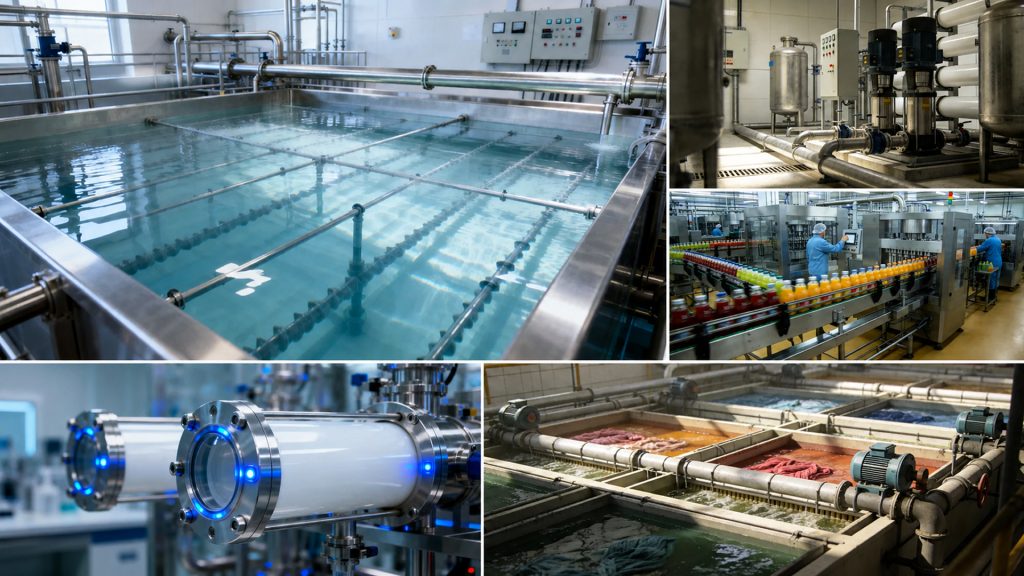
Improving RO System Reliability Through Monitoring and Control

Monitoring and control systems help maintain stable operation of a reverse osmosis drinking system. Important parameters such as pressure, flow, conductivity, and recovery rate can be tracked to detect abnormal conditions. Automated controls improve operational efficiency and reduce maintenance requirements. By combining reliable components with effective monitoring strategies, RO systems can achieve consistent performance, lower operating risks, and longer service life.

The Role of Monitoring Systems in RO Operation Stability

Monitoring systems play an important role in maintaining the stable performance of a reverse osmosis drinking system. By tracking key operating data, operators can evaluate system conditions and identify potential problems before they affect water quality or efficiency. Parameters such as pressure, flow rate, conductivity, and recovery rate provide valuable information about membrane performance and overall system operation. Effective monitoring improves maintenance planning, reduces unexpected downtime, and helps ensure reliable water purification performance throughout long-term operation.

Tracking Pressure and Flow Changes for Early Problem Detection

Pressure and flow rate are essential indicators for evaluating the condition of an RO system. Changes in these parameters may indicate membrane fouling, component wear, or abnormal operating conditions. In a reverse osmosis drinking system, continuous monitoring of pressure and flow helps operators identify performance changes at an early stage. Timely adjustments can prevent efficiency losses, reduce maintenance costs, and maintain stable water production.

Using Conductivity and Recovery Rate Data to Evaluate Performance

Conductivity and recovery rate provide important information about water quality and system efficiency. Conductivity monitoring helps evaluate salt rejection performance, while recovery rate reflects how effectively feed water is converted into purified water. For a reverse osmosis drinking system, analyzing these parameters allows operators to optimize operating conditions, maintain consistent output quality, and improve overall energy efficiency during continuous operation.

How Automatic Control Improves RO System Efficiency

Automatic control technology improves the reliability and convenience of modern reverse osmosis drinking system operation. Advanced control systems can adjust operating conditions based on real-time data, helping maintain stable pressure, flow, and water quality. Automated functions reduce manual intervention, improve response speed, and minimize operational errors. By integrating intelligent controls with reliable components, RO systems can achieve higher efficiency, lower maintenance requirements, and more predictable long-term performance.

Optimizing System Operation Through Intelligent Control

Intelligent control systems allow RO equipment to operate under optimized conditions by continuously analyzing system data. Automated adjustments can help maintain suitable pressure levels, regulate water flow, and improve energy efficiency. In a reverse osmosis drinking system, intelligent control reduces operational risks and supports more stable purification performance. This technology is especially valuable for applications requiring continuous and reliable water production.
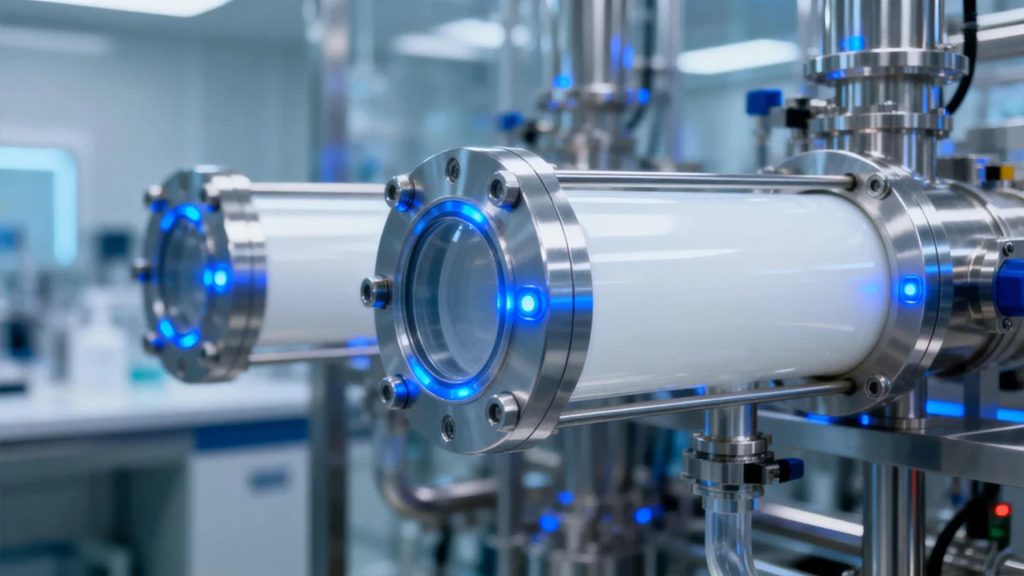
Reducing Maintenance Costs Through Real-Time Monitoring

Real-time monitoring helps operators understand system conditions and plan maintenance activities more effectively. Instead of responding to unexpected failures, users can identify early warning signs and take preventive actions. For a reverse osmosis drinking system, this approach reduces downtime, extends component lifespan, and improves overall reliability. Combining monitoring strategies with proper maintenance ensures consistent performance and long-term operational value.

Choosing the Right RO Drinking System for Sustainable Operation

Selecting the right reverse osmosis drinking system requires considering water quality, capacity requirements, energy consumption, and maintenance needs. A well-designed system integrates suitable membranes, efficient components, and optimized processes to meet specific applications. Working with an experienced manufacturer ensures proper configuration and technical support. With correct selection and maintenance, an RO drinking system can provide reliable purified water and long-term operational value.

 Evaluating Water Quality Before Selecting an RO System

Feed water analysis is an essential step when choosing a reverse osmosis drinking system. Different water sources contain different levels of dissolved solids, hardness, turbidity, and organic contaminants, which can influence system design and membrane performance. Understanding water characteristics helps determine suitable pretreatment methods, membrane selection, and operating conditions. A detailed evaluation before installation reduces operational risks and ensures the RO system can provide stable purified water quality over a long service period.

Analyzing Feed Water Characteristics for Better System Design

The quality of incoming water directly affects the configuration and efficiency of an RO system. Parameters such as conductivity, hardness, temperature, and contamination levels should be evaluated before selecting equipment. For a reverse osmosis drinking system, accurate water analysis helps engineers choose suitable membranes and pretreatment solutions. This improves filtration efficiency, reduces fouling risks, and supports reliable long-term operation.

Determining Capacity Requirements for Different Applications

Capacity requirements are another important factor when selecting an RO system. Systems with insufficient capacity may fail to meet water demand, while oversized equipment may increase investment and operating costs. A properly designed reverse osmosis drinking system should match actual water consumption and production goals. Correct capacity planning improves energy efficiency, reduces unnecessary expenses, and ensures stable performance during daily operation.

Optimizing RO System Configuration for Efficient Performance

A well-designed system configuration determines the efficiency and reliability of an RO system. The selection of membranes, pumps, filtration stages, and control systems should be based on specific application requirements. A properly configured reverse osmosis drinking system balances water quality targets, energy consumption, and maintenance needs. Optimized system design helps improve operating stability, reduce component stress, and achieve better long-term performance.

Selecting Suitable Membranes and System Components

Membrane selection and component quality have a direct impact on RO system performance. Different membranes provide different rejection rates, flow capacities, and operating requirements. For a reverse osmosis drinking system, choosing suitable membrane types and reliable components ensures stable filtration efficiency. High-quality pumps, valves, and control devices also contribute to improved durability and reduced maintenance frequency.

Improving Energy Efficiency Through System Optimization

Energy efficiency is an important consideration for long-term RO operation. Optimized pump selection, operating pressure control, and system recovery adjustment can reduce energy consumption while maintaining water quality. A properly designed reverse osmosis drinking system minimizes unnecessary power usage and improves overall operating economics. Efficient system design helps users achieve sustainable water treatment performance with lower lifecycle costs.

Partnering with an Experienced RO Equipment Manufacturer

Working with an experienced manufacturer helps ensure proper system design, installation, and technical support. Professional suppliers can evaluate application requirements and provide customized solutions for different water treatment challenges. For a reverse osmosis drinking system, manufacturer expertise plays an important role in achieving reliable operation, easy maintenance, and long-term performance. Technical support throughout the equipment lifecycle also improves user confidence and system value.

Benefits of Customized RO System Solutions

Different industries and applications may require customized RO solutions based on water conditions and operational goals. A professional manufacturer can adjust system configuration, pretreatment design, and component selection according to specific requirements. Customized reverse osmosis drinking system solutions provide better compatibility, improved efficiency, and more reliable purified water production for long-term applications.

Ensuring Long-Term Support and System Reliability

Technical service and after-sales support are important factors affecting the success of an RO project. Regular guidance, maintenance recommendations, and troubleshooting assistance help maintain stable system operation. Choosing a reliable manufacturer ensures that a reverse osmosis drinking system continues to deliver consistent performance, lower maintenance costs, and long-term operational value throughout its service life.

How an RO Membrane Works in Reverse Osmosis Filtration

An RO membrane is the core component that enables reverse osmosis filtration by separating purified water from dissolved contaminants. Through a pressure-driven process, the membrane allows water molecules to pass while rejecting salts, minerals, heavy metals, and other unwanted substances. The working mechanism of an RO membrane depends on membrane structure, pressure control, and selective separation performance. Understanding how RO membranes work helps engineers and buyers evaluate filtration efficiency, system design, and water treatment performance for different applications.
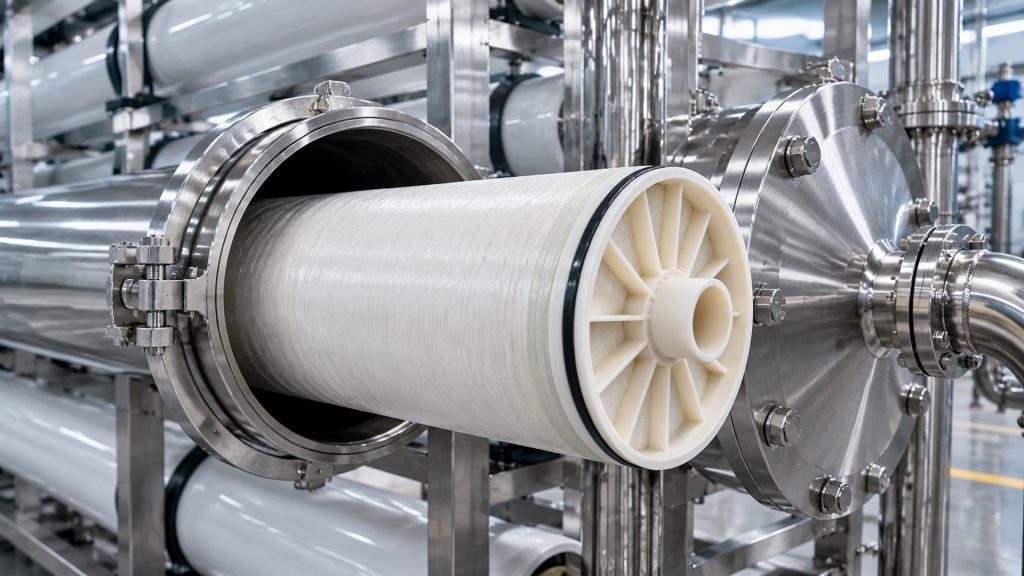
The RO Membrane Uses Pressure to Drive Water Separation

An RO membrane works by using external pressure to push feed water through a semi-permeable membrane layer and achieve effective separation. In natural osmosis, water molecules move from a solution with lower dissolved substance concentration to a solution with higher concentration through a membrane. Reverse osmosis changes this natural movement by applying pressure to the feed water, forcing water molecules to pass through the membrane while dissolved salts, minerals, and other contaminants are prevented from crossing. This pressure-driven process is the foundation of RO membrane filtration technology.

The pressure applied during RO membrane operation provides the necessary force to overcome osmotic pressure and control water movement. When pressurized feed water reaches the membrane surface, water molecules can pass through the selective barrier and form purified water, while rejected substances remain on the concentrated water side. By maintaining suitable pressure conditions, the RO membrane can achieve efficient separation, stable water production, and consistent reduction of dissolved contaminants during continuous filtration.In complete reverse osmosis equipment, pressure control components work together with RO membranes to maintain stable filtration performance.
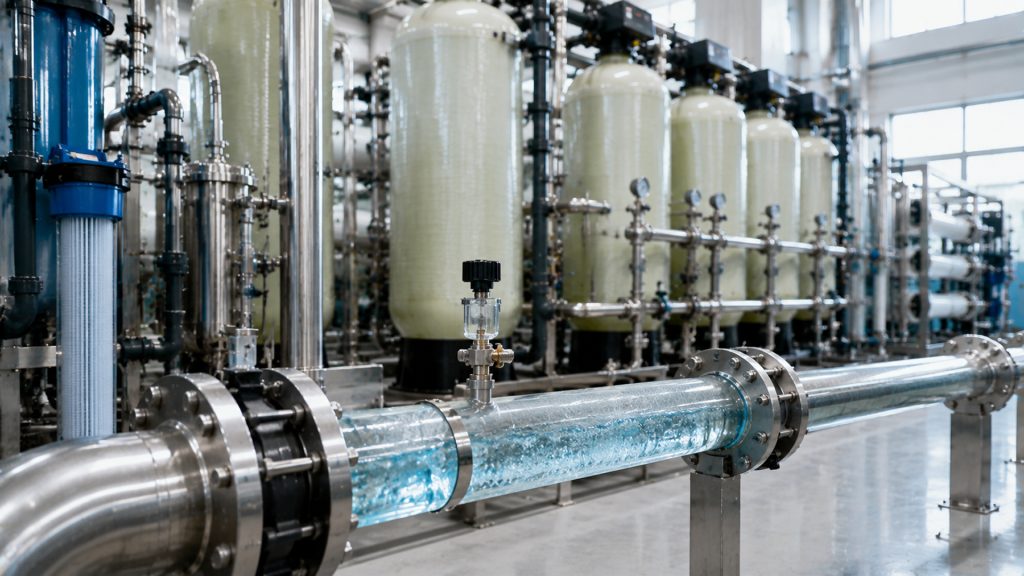
The RO Membrane Relies on Pressure to Reverse Natural Osmosis

An RO membrane uses external pressure to reverse the natural osmosis process and achieve molecular-level water separation. Under normal osmosis conditions, water naturally moves toward a solution containing a higher concentration of dissolved substances until equilibrium is reached. Reverse osmosis applies pressure to the concentrated water side, creating a force that exceeds osmotic pressure and drives water molecules to move in the opposite direction through the membrane layer.

This pressure-driven mechanism enables the RO membrane to separate purified water from dissolved contaminants effectively. By controlling the direction of water movement, the membrane allows water molecules to pass through while restricting substances such as dissolved salts and minerals. The ability to overcome natural osmotic pressure is a key reason why RO membrane technology can provide high purification performance compared with conventional filtration methods.

The Applied Pressure Pushes Water Molecules Through the RO Membrane Layer

The pressure applied during reverse osmosis provides the driving force required for water molecules to pass through the selective layer of an RO membrane. When feed water enters the system under sufficient pressure, water molecules move across the membrane structure and become part of the purified water stream. At the same time, dissolved salts, minerals, and other unwanted substances experience greater resistance and remain on the feed water side.

Maintaining suitable pressure levels is essential for stable RO membrane performance. Insufficient pressure may reduce water production because the driving force cannot effectively overcome osmotic resistance, while excessive pressure may increase energy consumption and place additional stress on system components. Proper pressure control helps the RO membrane maintain a balance between water transport efficiency and contaminant rejection throughout continuous filtration operation.

The RO Membrane Allows Water Molecules to Pass Through Selectively

The selective structure of an RO membrane determines how water molecules and dissolved contaminants are separated during the filtration process. Unlike conventional filters that mainly rely on physical size exclusion, an RO membrane uses a highly dense selective layer to control molecular movement. The membrane allows small water molecules to pass through while restricting dissolved substances such as salts, minerals, heavy metals, and other impurities. This selective permeability enables the RO membrane to achieve high purification performance at a molecular level.

The ability of an RO membrane to selectively transport water molecules is based on the difference between water and dissolved substances. During filtration, pressurized feed water reaches the membrane surface, and water molecules can move through the selective layer more easily than larger dissolved components. Different water treatment applications may require different membrane technologies, including ultrafiltration membrane and MBR membrane, depending on separation requirements and water quality conditions. By controlling which substances can pass through the membrane, RO technology separates purified water from concentrated contaminants and provides stable filtration results for different applications.

Substances Separated by an RO Membrane During Filtration

Substance TypeFiltration Behavior in RO MembraneSeparation Result
Water moleculesPass through the selective layerBecome purified water
Dissolved saltsRestricted by membrane structureRemain in concentrate water
MineralsRejected due to molecular characteristicsReduced in treated water
Heavy metalsBlocked during molecular separationRemoved from water stream
Organic contaminantsPartially or effectively rejected depending on propertiesImproved water quality

The RO Membrane Uses Selective Separation to Filter Water Molecules

The filtration ability of an RO membrane depends on its selective separation mechanism, which controls the movement of water molecules and dissolved substances during operation. When feed water contacts the membrane surface, the selective layer acts as a molecular barrier that allows water molecules to pass while limiting the transport of unwanted components. This separation occurs because different substances have different molecular characteristics and interactions with the membrane material.

This selective filtration process allows an RO membrane to achieve precise separation that cannot be easily achieved by traditional filtration methods. Conventional filters usually remove larger particles based on physical size, while RO membranes can reduce dissolved substances that exist at the molecular level. By combining water permeability with contaminant rejection, the membrane provides efficient purification while maintaining continuous water production.

The RO Membrane Structure Controls Water Molecule Movement

The structure of an RO membrane plays an important role in controlling how water molecules move during filtration. The membrane contains a thin selective separation layer designed with specific properties that allow water molecules to pass through while restricting dissolved salts, minerals, and other contaminants. This layer creates a controlled pathway for water transport and determines the membrane’s separation capability.

The controlled movement of molecules through an RO membrane depends on the balance between water permeability and rejection performance. If the membrane allows excessive substances to pass through, purification efficiency may decrease, while insufficient water transport can reduce production capacity. A properly designed selective layer enables the RO membrane to maintain stable water flow, effective contaminant removal, and reliable filtration performance during long-term operation.
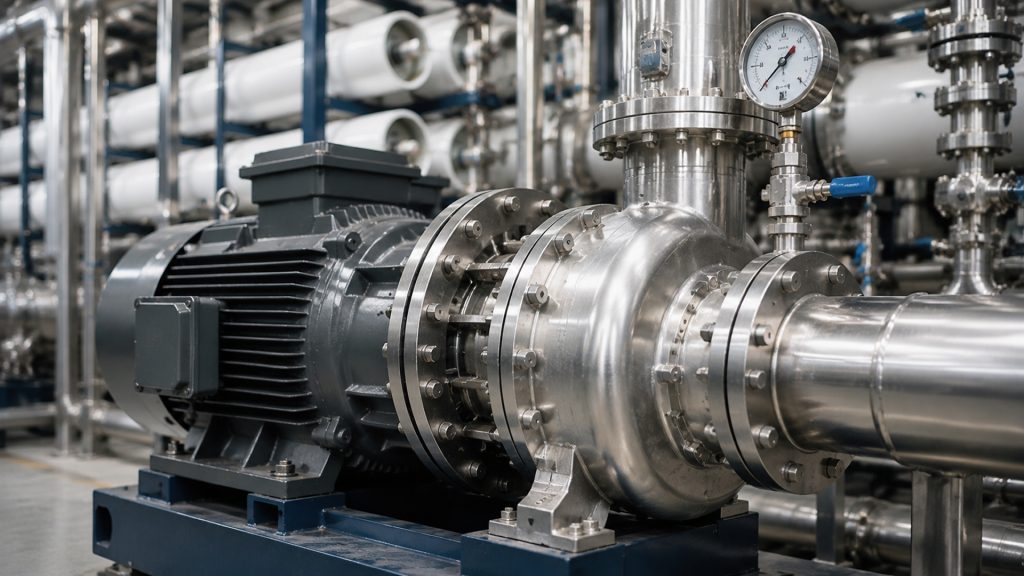
The RO Membrane Rejects Dissolved Salts and Impurities During Filtration

During the reverse osmosis process, an RO membrane separates purified water from concentrated contaminants through a selective rejection mechanism. When pressurized feed water reaches the membrane surface, water molecules can pass through the selective layer and become permeate water, while dissolved salts, minerals, and other unwanted substances are prevented from entering the purified water stream. These rejected substances remain on the feed water side and gradually form the concentrate stream during continuous filtration.

The rejection capability of an RO membrane depends on several factors, including membrane structure, contaminant characteristics, and operating conditions. The selective layer determines which substances can pass through and which components are retained. This separation mechanism allows RO systems to effectively reduce dissolved salts, heavy metals, and other impurities that cannot be removed by conventional filtration methods, helping maintain stable water quality for different treatment applications.

The RO Membrane Separates Contaminants Through Rejection Mechanisms

The rejection mechanism of an RO membrane determines how dissolved substances are separated from purified water during the reverse osmosis filtration process. When feed water enters the membrane module under pressure, water molecules move through the selective layer because of their smaller molecular characteristics, while dissolved salts, minerals, and other contaminants experience greater resistance and remain separated from the permeate stream.

This rejection process enables the RO membrane to reduce unwanted substances and improve overall water purity. The effectiveness of contaminant removal depends on the membrane’s selective properties, material characteristics, and ability to maintain stable separation performance during continuous operation. A properly designed membrane can achieve a balance between water production and contaminant rejection, ensuring reliable filtration results.

The RO Membrane Retains Dissolved Salts and Minerals During Filtration

Dissolved salts and minerals are among the primary substances removed by an RO membrane during reverse osmosis filtration. These substances are difficult to remove through conventional particle filtration because they exist in dissolved form. When water passes through the RO membrane, the selective layer restricts the movement of dissolved ions and prevents them from entering the purified water stream.

This retention capability allows the RO membrane to significantly reduce total dissolved solids (TDS) and improve treated water quality. The rejection rate of dissolved salts is an important indicator of membrane performance because it reflects how effectively the membrane separates unwanted substances from water. Maintaining stable rejection performance helps ensure consistent purification results during long-term operation. For applications requiring higher water purity, EDI systems can also be integrated with reverse osmosis processes to further reduce dissolved ions after membrane filtration.

The RO Membrane Removes Different Impurities Based on Separation Characteristics

An RO membrane can reject different types of impurities according to their molecular characteristics, size, charge, and interaction with the membrane structure. Besides dissolved salts and minerals, reverse osmosis filtration can also reduce substances such as heavy metals, dissolved organic compounds, and other unwanted contaminants that affect water quality. The membrane’s selective separation ability determines how effectively these substances are retained.

The removal efficiency of an RO membrane depends on multiple factors, including contaminant composition, membrane material properties, and operating conditions. Different feed water sources may contain different types and concentrations of impurities, requiring suitable membrane selection and system design. Understanding these separation characteristics helps engineers evaluate RO membrane performance and develop reliable water treatment solutions for specific applications.

The RO Membrane Separates Feed Water Through a Multi-Layer Structure

An RO membrane achieves filtration through a specially designed multi-layer structure that combines different functional layers to support effective water separation. Modern RO membranes usually consist of a protective layer, a porous support layer, and a selective separation layer. Each layer performs a specific role during operation, from protecting the membrane surface and maintaining structural strength to controlling the movement of water molecules and dissolved substances.

The multi-layer design allows an RO membrane to withstand the high-pressure environment required for reverse osmosis filtration while maintaining stable separation performance. Among these layers, the selective separation layer is the most important functional area because it determines which substances can pass through the membrane. This structure creates a balance between water permeability and contaminant rejection, enabling the membrane to produce purified water with consistent quality during continuous operation.
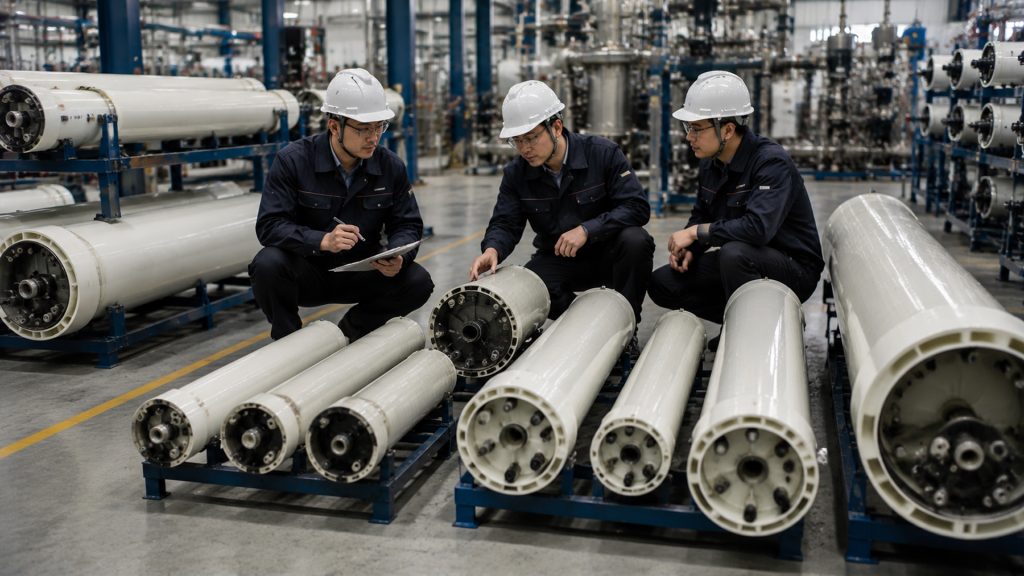
Main Layers of an RO Membrane Structure

RO Membrane LayerMain FunctionImpact on Filtration Performance
Protective LayerProtects membrane surface from external stress and particlesImproves membrane durability
Support LayerProvides mechanical strength under pressureMaintains structural stability
Selective LayerControls water molecule transport and contaminant rejectionDetermines purification performance

The RO Membrane Uses Multiple Layers to Achieve Filtration Performance

The filtration capability of an RO membrane depends on its carefully designed multi-layer structure, where each layer contributes to the overall performance of the membrane system. A typical RO membrane includes a protective surface layer, a porous support layer, and a thin selective separation layer. These layers work together to provide mechanical stability, support efficient water transport, and maintain effective rejection of dissolved contaminants during reverse osmosis filtration.

The combination of multiple layers allows an RO membrane to operate under high pressure without losing structural integrity or filtration efficiency. The support layers provide the strength needed to withstand operating pressure, while the selective layer controls the movement of water molecules and unwanted substances. This layered design enables the membrane to achieve reliable separation performance while maintaining long-term operational stability.

The RO Membrane Protective Layer Improves Surface Durability

The protective layer of an RO membrane helps maintain the physical durability of the membrane surface during continuous filtration. This outer layer reduces the direct impact of external factors such as water flow pressure, suspended particles, and potential surface contamination. By providing additional protection, the layer helps prevent damage to the inner membrane structure and supports stable filtration performance under different operating conditions.

A durable protective layer allows the RO membrane to maintain reliable operation throughout its service life. It reduces mechanical stress on the functional layers beneath the surface and helps minimize the risk of premature performance decline. Although the protective layer does not directly perform molecular separation, it plays an important role in preserving membrane integrity and supporting consistent water treatment results.

The RO Membrane Support Layer Provides Structural Stability

The support layer of an RO membrane provides the mechanical strength required for operation under high-pressure filtration conditions. Because reverse osmosis requires significant pressure to force water molecules through the selective layer, the support structure must maintain the shape and stability of the membrane during continuous operation. Without sufficient support, the membrane may experience deformation that affects water flow and separation performance.
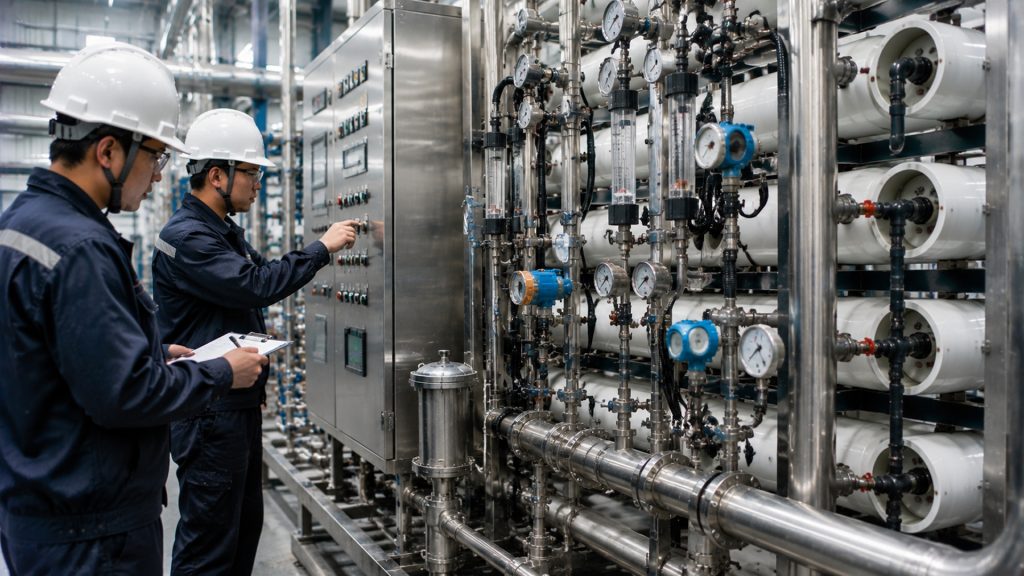
Although the support layer does not directly remove contaminants, it plays an essential role in maintaining the overall function of the RO membrane. It provides a stable foundation for the selective layer and ensures that water can pass through the membrane structure efficiently. The mechanical stability provided by this layer allows the membrane to operate effectively over long periods while maintaining consistent filtration performance.
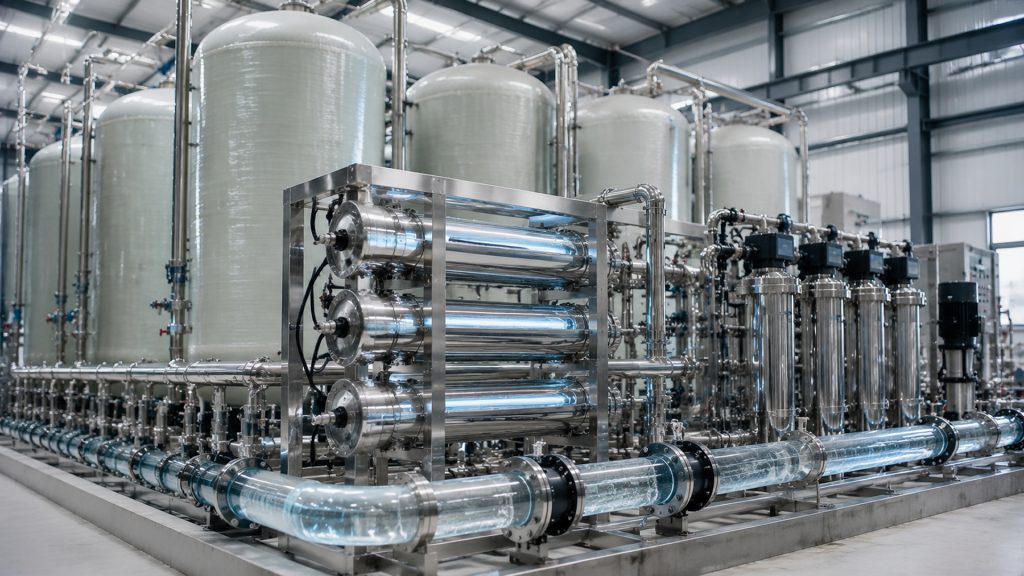
The RO Membrane Selective Layer Controls Water and Contaminant Separation

The selective separation layer is the core functional component of an RO membrane because it determines how water molecules and dissolved substances move during filtration. This extremely thin layer is designed to allow water molecules to pass through while restricting dissolved salts, minerals, and other contaminants. Its selective properties directly control the membrane’s purification capability and contaminant rejection performance.
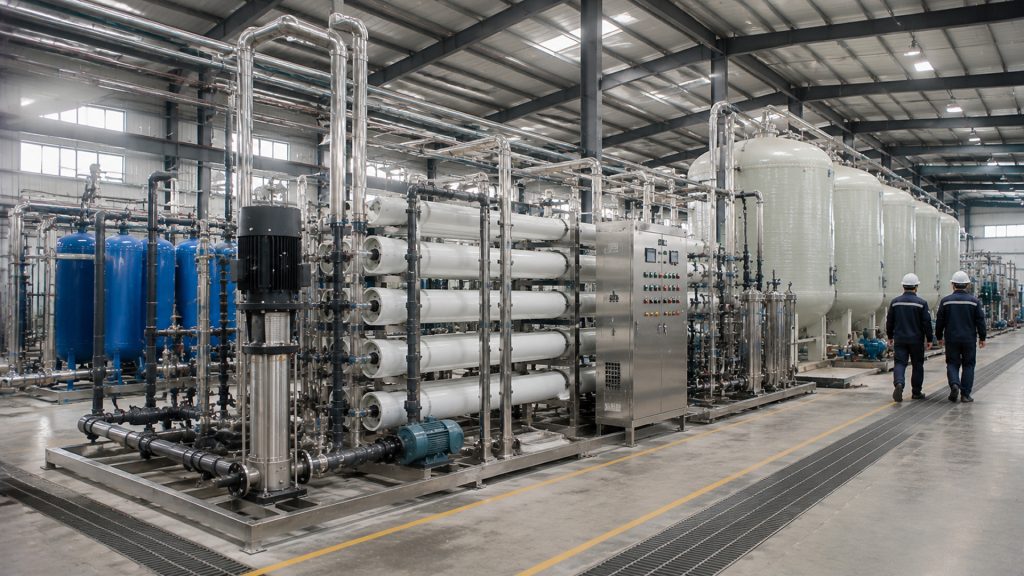
The performance of the selective layer determines the balance between water permeability and separation efficiency. A well-designed RO membrane selective layer allows sufficient water production while maintaining effective rejection of unwanted substances. By controlling molecular transport at this stage, the membrane can provide stable purification performance and support reliable reverse osmosis operation across different water treatment applications.

The RO Membrane Uses Pressure and Conditions to Control Filtration

The operation of an RO membrane depends on the interaction between applied pressure, water flow, and feed water conditions during the filtration process. Pressure provides the driving force required to move water molecules through the selective membrane layer, allowing purified water to pass through while dissolved contaminants remain separated on the feed water side. Without sufficient pressure, the RO membrane cannot effectively overcome osmotic resistance, resulting in reduced water transport and lower filtration efficiency.

In addition to pressure, factors such as temperature, water composition, dissolved substance concentration, and flow conditions can influence how efficiently an RO membrane performs separation. Different feed water sources may require different treatment solutions, such as industrial RO systems, brackish water RO systems, or seawater desalination systems. Changes in these operating conditions may affect water permeability, contaminant rejection, and overall system stability. Maintaining suitable operating parameters allows the membrane to achieve consistent water transport and reliable contaminant removal during continuous reverse osmosis filtration.

The RO Membrane Controls Filtration Through Pressure and Water Flow Conditions

The filtration process of an RO membrane is controlled by the relationship between applied pressure and water flow conditions. Pressure creates the force needed to push feed water through the selective separation layer, while water flow determines how water contacts the membrane surface during filtration. A properly controlled flow condition helps maintain effective interaction between feed water and the membrane, allowing stable separation of water molecules and dissolved substances.

A suitable balance between pressure and flow allows the RO membrane to maintain stable water transport and contaminant rejection performance. If the applied pressure is insufficient, water production may decrease because fewer water molecules can pass through the membrane layer. On the other hand, unsuitable flow conditions may increase concentration polarization or contaminant accumulation near the membrane surface, which can reduce filtration efficiency over time.
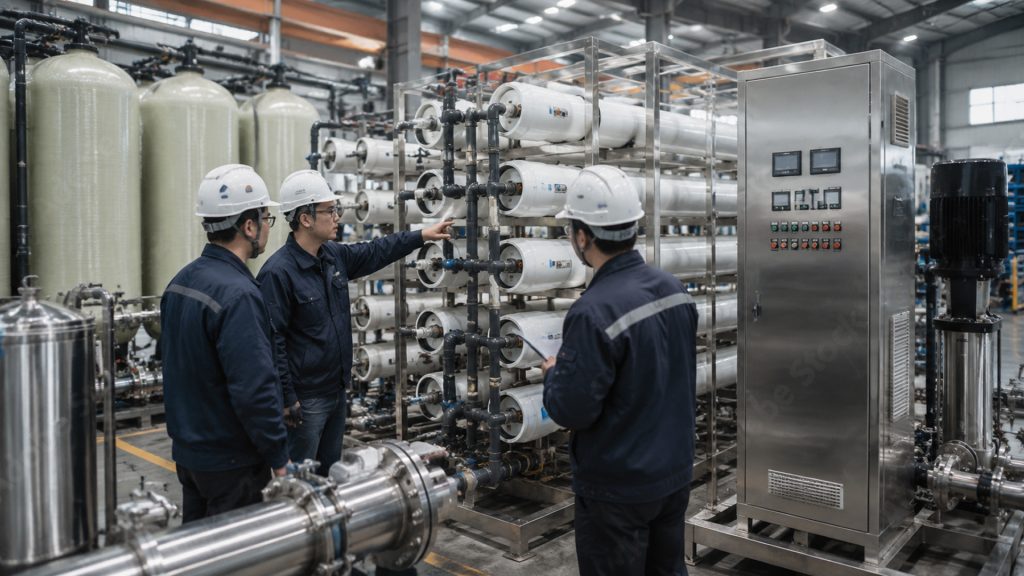
The RO Membrane Uses Pressure Levels to Regulate Water Transport

The pressure applied to an RO membrane directly affects the movement of water molecules through the selective separation layer. Higher pressure increases the driving force for water transport, allowing more water molecules to overcome osmotic resistance and pass through the membrane structure. However, the pressure level must remain within suitable operating limits because excessive pressure may increase energy consumption and place additional stress on membrane components.

Proper pressure control helps the RO membrane maintain a balance between permeate production and contaminant rejection. When pressure conditions are optimized, the membrane can continuously separate purified water from dissolved substances while maintaining stable filtration performance. This makes pressure management an essential factor in achieving reliable operation and extending the effective performance of the reverse osmosis filtration process.
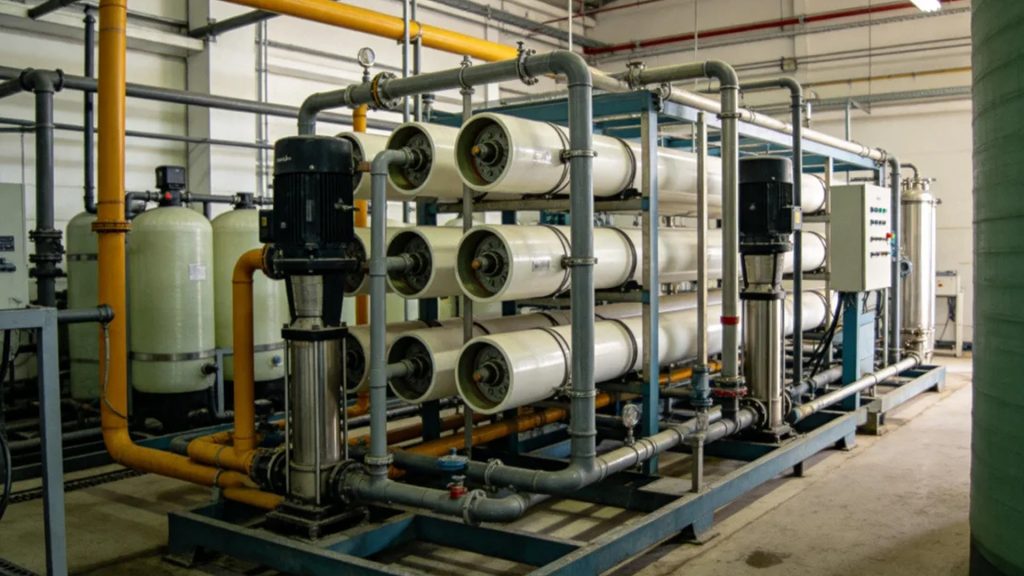
The RO Membrane Performance Changes with Feed Water Conditions

Feed water conditions have a significant influence on how an RO membrane performs during filtration. Factors such as temperature, dissolved substance concentration, hardness level, and water composition can affect membrane permeability and separation efficiency. Different feed water characteristics create different filtration challenges, requiring suitable operating conditions to ensure that the membrane can maintain stable water transport and contaminant rejection.

For example, changes in water temperature can influence water viscosity and affect how easily water molecules move through the membrane layer. Higher concentrations of dissolved substances may increase resistance during filtration and place additional pressure on the separation process. Understanding these feed water conditions helps engineers optimize RO membrane operation and maintain consistent purification performance under different application environments.

The RO Membrane Adjusts Filtration Performance Through Separation Conditions

The filtration efficiency of an RO membrane is influenced by the combined effect of pressure, flow rate, and feed water characteristics during the separation process. These operating conditions determine how effectively water molecules can pass through the membrane while dissolved contaminants remain rejected. When these factors are properly controlled, the RO membrane can maintain stable molecular separation and produce consistent purified water quality.

The relationship between operating conditions and membrane performance is important for designing reliable reverse osmosis systems. By evaluating pressure requirements, flow conditions, and feed water properties, engineers can optimize the filtration process and reduce factors that may affect membrane efficiency. Proper control of separation conditions allows the RO membrane to achieve predictable performance and support long-term water treatment operation.

The RO Membrane Controls Water Flow and Contaminant Rejection Balance

An RO membrane must maintain a balance between water production and contaminant rejection during operation to achieve stable filtration performance. Water production capacity depends on how efficiently water molecules can pass through the membrane, while contaminant rejection determines the purity of the final treated water. Increasing water flow may improve production capacity, but excessive flow conditions can accelerate contaminant accumulation on the membrane surface and increase fouling risks.
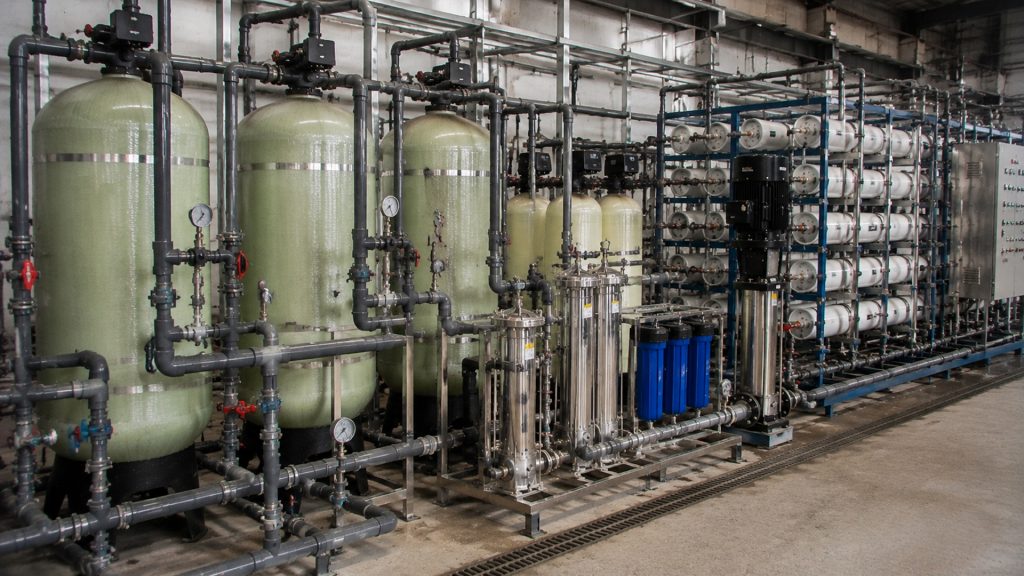
The performance balance of an RO membrane is influenced by membrane design, operating pressure, feed water characteristics, and filtration conditions. The membrane must allow sufficient water transport while preventing dissolved salts, minerals, and other unwanted substances from passing through. Maintaining this balance enables the RO membrane to provide consistent water quality, improve operational reliability, and support long-term reverse osmosis filtration performance.
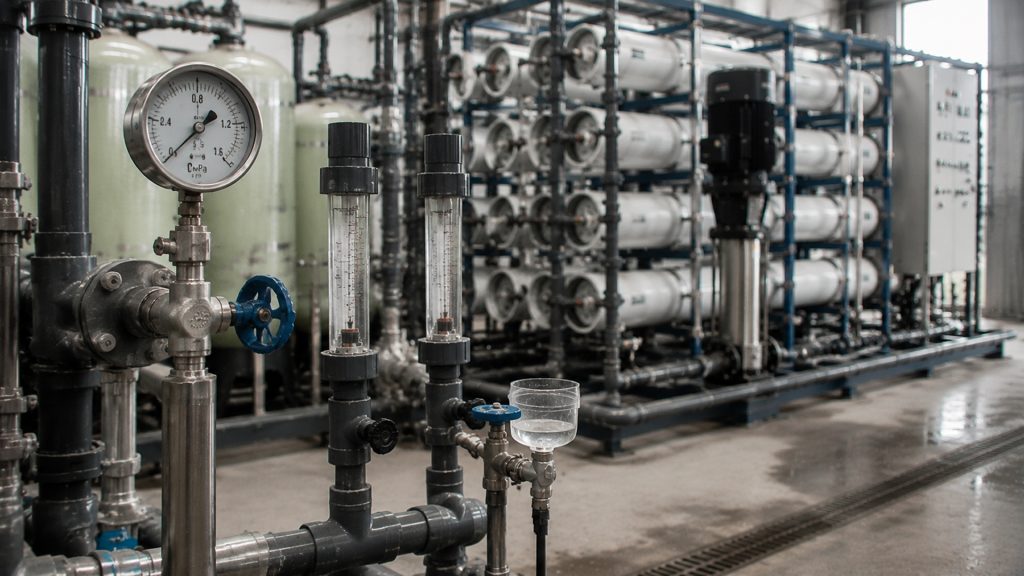
The RO Membrane Determines Filtration Performance Through Water Flux Control

Water flux is an important parameter for evaluating RO membrane performance because it represents the amount of purified water produced through a specific membrane area over a certain period. A suitable flux level allows the membrane to achieve efficient water production while maintaining stable separation performance. The relationship between water transport and contaminant rejection directly affects the overall efficiency of the reverse osmosis filtration process.
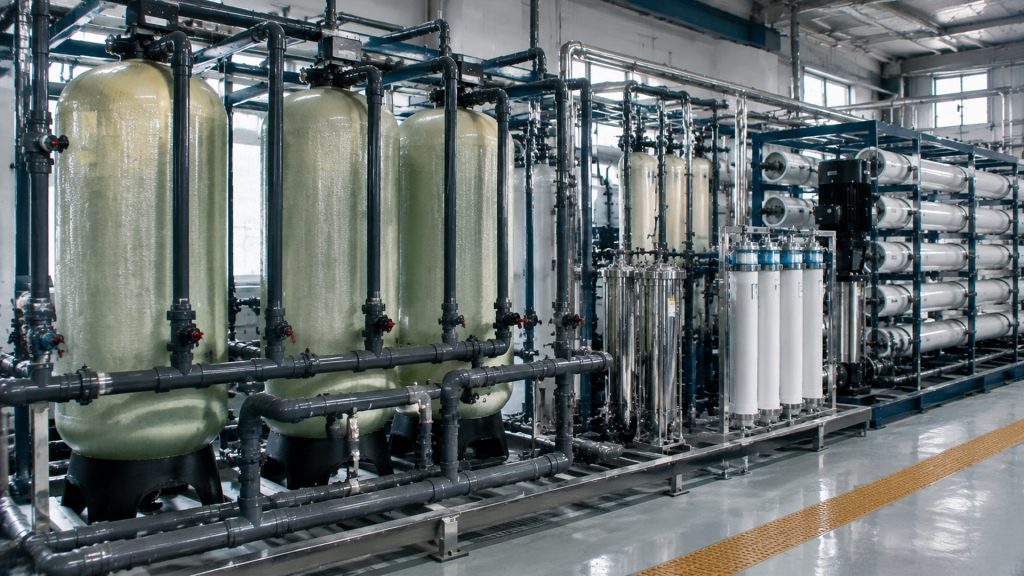
If the water flux of an RO membrane is too high, contaminants may accumulate more quickly on the membrane surface, increasing concentration polarization and fouling risks. On the other hand, insufficient flux may reduce system productivity and limit water output. By controlling flux according to membrane characteristics, feed water quality, and operating requirements, the RO membrane can maintain reliable filtration efficiency and stable long-term operation.

The RO Membrane Maintains Suitable Flux Under Different Operating Conditions

The ideal flux of an RO membrane depends on multiple operating factors, including feed water quality, applied pressure, temperature, membrane properties, and system design. Different water treatment applications require different flux levels because the balance between production capacity and filtration stability may vary depending on the feed water conditions. Selecting an appropriate flux helps the membrane operate efficiently without excessive stress.

Proper flux control prevents unnecessary pressure on the membrane surface and reduces the possibility of rapid fouling or performance decline. When the RO membrane operates under suitable flux conditions, it can maintain consistent water output while preserving contaminant rejection capability. This helps reduce maintenance frequency, extend membrane service life, and improve the overall reliability of reverse osmosis systems.

The RO Membrane Achieves Purification Efficiency Through Selective Rejection

The rejection performance of an RO membrane determines how effectively dissolved salts, minerals, and other impurities are removed from feed water during filtration. While water molecules are transported through the membrane separation layer to form purified water, unwanted substances are retained on the concentrated water side. This selective rejection process is the key function that enables reverse osmosis technology to achieve high purification efficiency.

A high-quality RO membrane must maintain sufficient water permeability without reducing its ability to reject dissolved contaminants. If the membrane allows too many unwanted substances to pass through, water quality may decrease; however, excessive restriction of water transport can reduce production efficiency. The balance between permeability and selectivity allows the RO membrane to produce purified water efficiently while maintaining stable filtration performance.
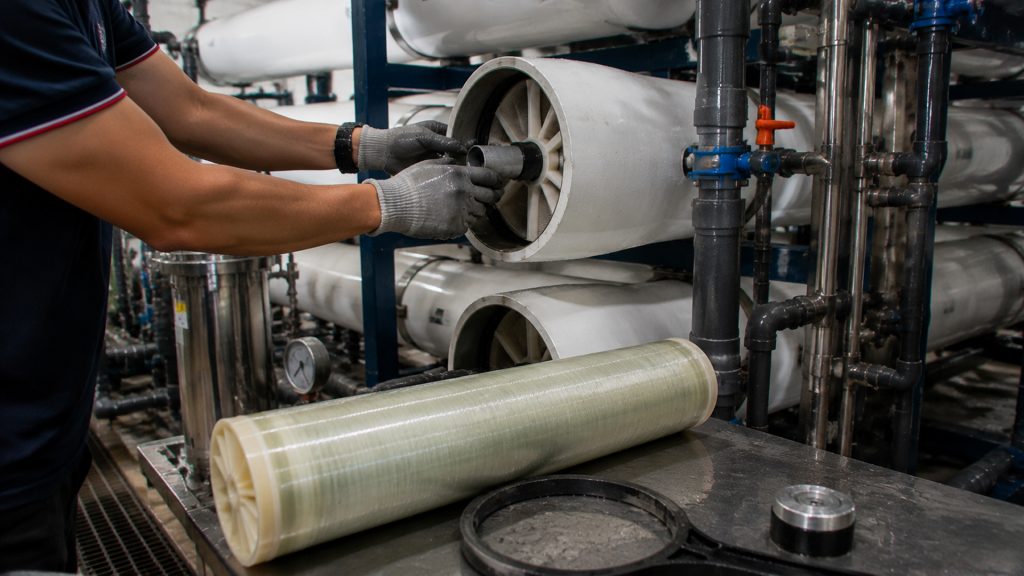
The RO Membrane Structure Supports Stable Rejection Performance

The structure and material properties of an RO membrane directly influence its ability to separate water molecules from dissolved contaminants. The selective layer controls molecular movement by allowing water molecules to pass through while restricting salts, minerals, and other impurities. Meanwhile, the supporting layers provide mechanical strength and help maintain membrane stability under continuous operating pressure.

A properly designed membrane structure enables the RO membrane to maintain stable rejection performance under different filtration conditions. The interaction between membrane materials, selective properties, and operating environment determines how effectively contaminants can be removed. By maintaining reliable separation capability, the RO membrane can continuously produce consistent purified water quality and support efficient reverse osmosis operation.

The RO Membrane Transports Water Through the Polyamide Separation Layer

The water transport process of an RO membrane mainly occurs through the thin polyamide separation layer, which is the functional area responsible for molecular separation. This dense layer allows water molecules to pass through under applied pressure while restricting dissolved salts, minerals, and other contaminants. The structure and properties of the polyamide layer directly influence the membrane’s permeability and rejection performance, determining how efficiently the RO membrane can separate purified water from concentrated substances.

During filtration, pressurized feed water reaches the surface of the RO membrane, and water molecules enter the selective layer before moving through the membrane structure. At the same time, dissolved ions and unwanted substances experience stronger resistance and remain on the feed water side. This solution-diffusion mechanism enables the RO membrane to achieve separation at a molecular level and maintain stable purification performance during continuous operation.

The RO Membrane Uses the Solution-Diffusion Mechanism for Water Transport

The solution-diffusion mechanism explains how water molecules move across an RO membrane during the reverse osmosis process. Unlike conventional filtration methods that rely mainly on physical pore size separation, RO membranes control molecular movement through the interaction between membrane materials and dissolved substances. Water molecules first dissolve into the polyamide layer and then diffuse through the selective structure under pressure.

During this process, dissolved salts and other contaminants face greater resistance because of their molecular characteristics and interaction with the membrane material. This allows the RO membrane to achieve high rejection performance while maintaining sufficient water transport. The solution-diffusion mechanism is a key reason why reverse osmosis can remove dissolved substances that cannot be effectively removed by traditional filtration methods.

The RO Membrane Selective Layer Controls Molecular Movement During Filtration

The selective layer of an RO membrane plays a critical role in controlling the movement of water molecules and dissolved substances during filtration. This extremely thin polyamide layer is designed to provide a balance between water permeability and contaminant rejection. Water molecules can pass through the layer more easily, while dissolved salts, minerals, and other impurities are restricted.

The performance of this selective layer directly affects the overall efficiency of the RO membrane. A well-designed structure allows the membrane to produce purified water with stable quality while maintaining effective contaminant removal. By controlling molecular transport at the selective layer, the RO membrane achieves reliable separation performance throughout the filtration process.

The RO Membrane Generates Permeate and Concentrate Streams During Filtration

During the reverse osmosis process, an RO membrane separates feed water into two different streams: permeate water and concentrate water. The permeate stream contains water molecules that successfully pass through the membrane separation layer, while the concentrate stream contains a higher concentration of rejected salts, minerals, and other contaminants. This separation process is an essential part of how an RO membrane operates.

The continuous formation of permeate and concentrate streams allows the RO membrane to maintain stable filtration conditions. By removing concentrated contaminants from the membrane surface through concentrate flow, the system reduces the impact of accumulation and supports consistent water transport. The balance between permeate production and concentrate discharge also influences the efficiency and recovery performance of the reverse osmosis system.

The RO Membrane Produces Purified Water Through Permeate Formation

Permeate formation occurs when water molecules pass through the selective layer of an RO membrane and enter the purified water stream. The amount and quality of permeate produced depend on several factors, including membrane characteristics, applied pressure, feed water composition, and operating conditions. A properly functioning RO membrane allows efficient water transport while maintaining strong rejection of dissolved contaminants.

The ability to produce stable permeate demonstrates the separation performance of an RO membrane. By controlling the movement of water molecules and preventing unwanted substances from passing through, the membrane helps ensure consistent purified water quality. This process enables reverse osmosis systems to provide reliable filtration performance for different water treatment applications.

The RO Membrane Removes Rejected Substances Through Concentrate Flow

The concentrate flow carries away substances that are rejected by the RO membrane during filtration. When dissolved salts, minerals, and other contaminants cannot pass through the selective layer, they remain in the feed side and become more concentrated. The continuous movement of concentrate water helps prevent excessive accumulation near the membrane surface.
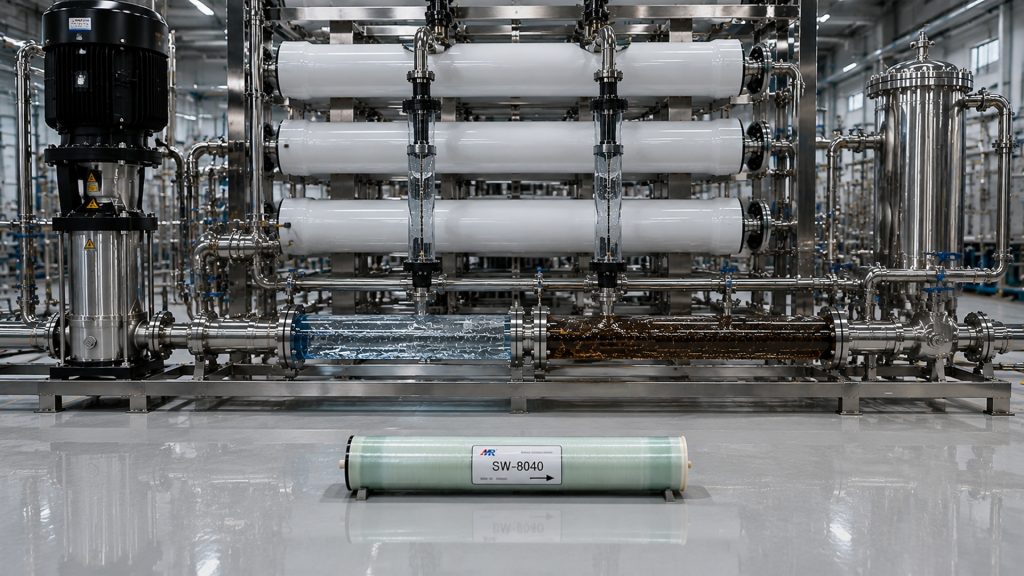
Effective concentrate management is important for maintaining stable RO membrane operation. By balancing concentrate discharge with permeate production, the system can preserve suitable filtration conditions and reduce the negative effects of contaminant buildup. This process allows the RO membrane to maintain consistent separation performance during long-term operation. In complete water treatment systems, proper integration of membrane components, pressure control, and monitoring equipment helps improve overall filtration reliability.
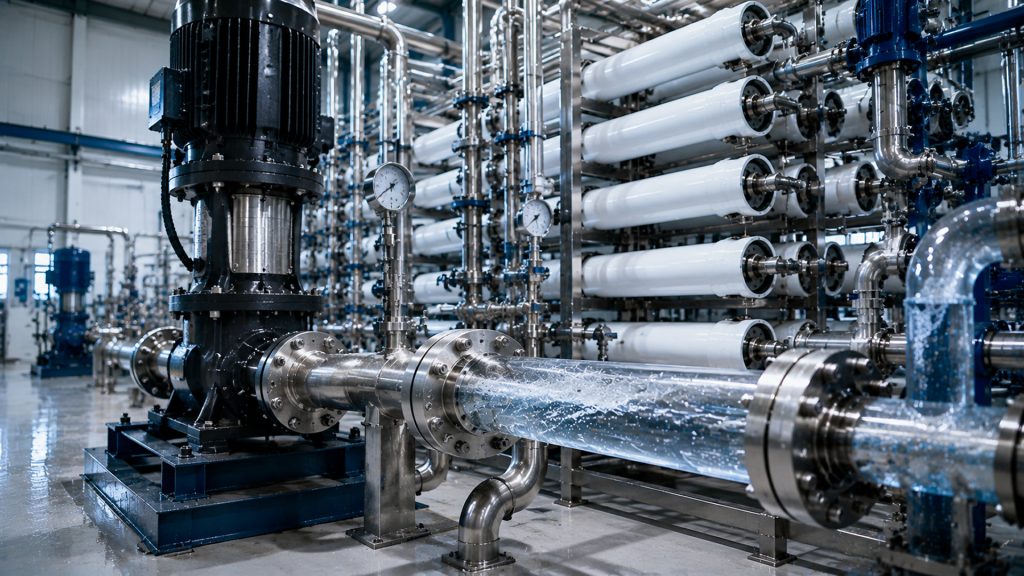
CONTACT US FOR EXPERT CONSULTATION