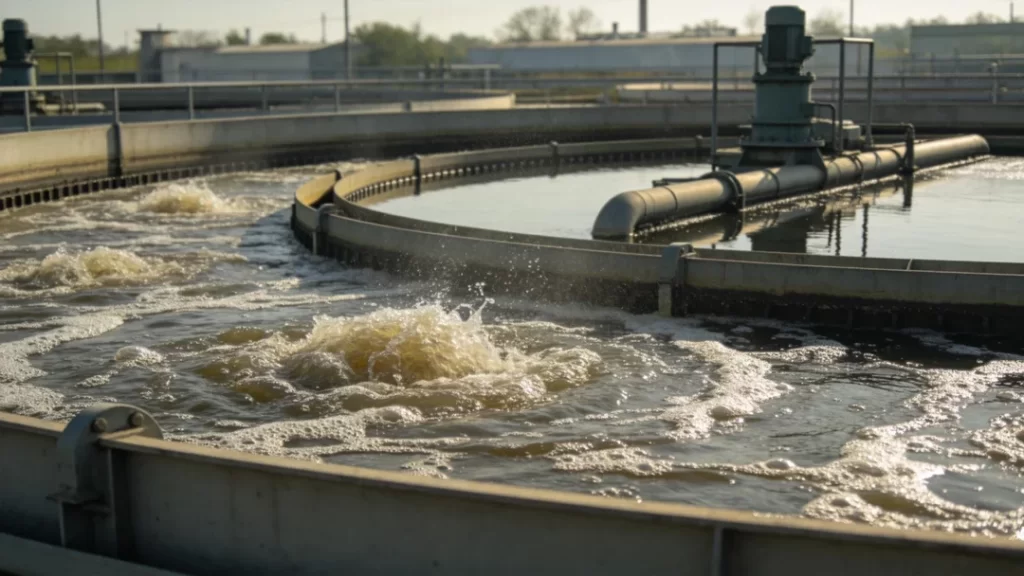






A sewage treatment plant is designed to remove pollutants from wastewater and produce treated water that meets environmental discharge or reuse standards. Understanding how a sewage treatment plant works helps engineers, contractors, and buyers evaluate treatment processes, equipment configurations, and operating requirements. By analyzing influent characteristics, treatment objectives, and site conditions, users can select a sewage treatment plant that delivers reliable performance, cost efficiency, and long-term operational stability for municipal and industrial applications.
What Is a Sewage Treatment Plant and How Does It Work?

A sewage treatment plant is a complete wastewater treatment system that removes suspended solids, organic matter, nutrients, and harmful microorganisms from sewage. The treatment process typically includes preliminary, primary, biological, and final treatment stages. Each stage performs a specific function to improve water quality before discharge or reuse. Understanding the operating principle of a sewage treatment plant helps users select suitable technologies and maintain stable treatment performance under different wastewater conditions.
Sewage Treatment Plant Wastewater Treatment Process
A sewage treatment plant treats wastewater through a series of physical, biological, and chemical processes designed to remove different types of pollutants. Wastewater first passes through preliminary treatment to remove large debris before entering primary settling tanks. It then flows into biological treatment units where microorganisms break down organic contaminants. Finally, treated water undergoes clarification and disinfection before being discharged or reused. This step-by-step process enables the sewage treatment plant to achieve reliable treatment efficiency and comply with environmental regulations.
Main Treatment Stages of a Sewage Treatment Plant
A sewage treatment plant is typically divided into four main treatment stages, each serving a specific purpose in wastewater purification. Preliminary treatment removes coarse materials, while primary treatment separates suspended solids through sedimentation. Biological treatment reduces dissolved organic matter and nutrients using microorganisms, and final treatment improves water quality through filtration or disinfection. Together, these stages enable the sewage treatment plant to produce treated water that meets discharge or reuse requirements across different applications.
Biological Treatment Process in a Sewage Treatment Plant
Biological treatment is the core process of most sewage treatment plant systems because it removes biodegradable organic matter and nutrients through naturally occurring microorganisms. Technologies such as activated sludge, membrane bioreactors (MBR), and sequencing batch reactors (SBR) are commonly used to improve treatment efficiency. Effective biological treatment reduces chemical oxygen demand (COD) and biological oxygen demand (BOD), helping the sewage treatment plant achieve stable effluent quality while supporting energy-efficient and environmentally responsible wastewater treatment.
What Are the Main Components of a Sewage Treatment Plant?

A sewage treatment plant consists of several key components that work together to achieve effective wastewater treatment. Common equipment includes screening units, grit chambers, biological treatment tanks, sedimentation tanks, sludge treatment systems, and disinfection units. Each component contributes to pollutant removal and overall system efficiency. Proper equipment selection and integration help a sewage treatment plant maintain reliable operation, reduce maintenance requirements, and meet different discharge standards.
Primary Treatment Components of a Sewage Treatment Plant
The primary treatment section of a sewage treatment plant removes large debris, sand, grit, and suspended solids before biological treatment begins. Typical components include bar screens, grit chambers, and primary sedimentation tanks, which protect downstream equipment and improve treatment efficiency. By reducing the pollutant load entering the biological process, these components help the sewage treatment plant operate more reliably while lowering maintenance requirements and extending the service life of major treatment equipment.
Screening Units for Sewage Treatment Plant Protection
Screening units are the first line of protection in a sewage treatment plant, removing large objects such as plastics, rags, wood, and other debris from incoming wastewater. Effective screening prevents equipment blockage, reduces wear on pumps and pipelines, and improves the efficiency of downstream treatment processes. Selecting an appropriate screening system helps the sewage treatment plant maintain stable operation, minimize maintenance costs, and protect critical treatment equipment from unnecessary damage.
Biological Treatment Units in a Sewage Treatment Plant
Biological treatment units are the core components of a sewage treatment plant because they remove dissolved organic matter and nutrients through microbial activity. Common technologies include activated sludge systems, membrane bioreactors (MBR), and sequencing batch reactors (SBR). These units significantly reduce COD, BOD, nitrogen, and phosphorus levels while improving treated water quality. Proper biological process design enables the sewage treatment plant to achieve stable treatment performance under varying wastewater conditions.
Sedimentation Tanks in Sewage Treatment Plant Performance Optimization
Sedimentation tanks separate suspended solids from wastewater by allowing particles to settle under gravity after biological treatment. This process improves water clarity, reduces the load on disinfection systems, and enhances overall treatment efficiency. Properly designed sedimentation tanks also support sludge collection and recycling, helping the sewage treatment plant maintain stable effluent quality while reducing operational costs and improving long-term system reliability.
Sludge Treatment Functions in a Sewage Treatment Plant
Sludge treatment is an essential part of a sewage treatment plant because it manages the solid by-products generated during wastewater treatment. Typical sludge handling processes include thickening, dewatering, stabilization, and final disposal or reuse. Efficient sludge treatment reduces waste volume, lowers transportation costs, and minimizes environmental impact. Integrating suitable sludge treatment equipment allows the sewage treatment plant to improve operational efficiency while meeting environmental regulations and sustainability goals.
How Does Influent Quality Affect Sewage Treatment Plant Design?

Influent quality is one of the most important factors in sewage treatment plant design and equipment selection. Parameters such as chemical oxygen demand (COD), biological oxygen demand (BOD), suspended solids (SS), ammonia nitrogen, phosphorus, and flow variation determine the required treatment process. Accurate influent analysis allows engineers to optimize equipment configuration, improve treatment efficiency, and ensure the sewage treatment plant consistently achieves the required effluent quality under changing operating conditions.
Influent Analysis for Sewage Treatment Plant Design
Influent analysis provides the foundation for designing an efficient sewage treatment plant by identifying the physical, chemical, and biological characteristics of wastewater. Engineers evaluate factors such as pollutant concentration, flow variation, pH, and temperature to determine suitable treatment technologies and equipment. A comprehensive influent assessment helps optimize process design, improve treatment efficiency, and reduce operational risks. Accurate data also enables the sewage treatment plant to maintain stable performance while meeting discharge or water reuse requirements.
Key Water Quality Parameters for Sewage Treatment Plant Evaluation
A sewage treatment plant relies on several key water quality parameters to evaluate influent characteristics and treatment requirements. Common indicators include chemical oxygen demand (COD), biological oxygen demand (BOD), suspended solids (SS), ammonia nitrogen, total phosphorus, pH, and flow rate. These parameters help engineers understand pollutant loads and select appropriate treatment processes. Continuous monitoring ensures the sewage treatment plant can respond to changing wastewater conditions and maintain consistent treatment performance.
Influent Quality Impact on Sewage Treatment Plant Process Selection
Different influent characteristics require different treatment processes in a sewage treatment plant. Wastewater with high organic content may require enhanced biological treatment, while industrial wastewater containing toxic substances may need additional chemical or physical treatment. Variations in flow rate and pollutant concentration also influence tank sizing, aeration requirements, and sludge management. Matching the treatment process to influent quality helps the sewage treatment plant achieve reliable pollutant removal, improve energy efficiency, and reduce operating costs.
Flow Variation Impact on Sewage Treatment Plant Performance
Flow variation can significantly influence the efficiency and stability of a sewage treatment plant. Sudden increases or decreases in wastewater flow may affect hydraulic retention time, biological activity, and pollutant removal efficiency. Designing equalization tanks and selecting appropriate process capacities help balance flow fluctuations and maintain stable operating conditions. Effective flow management enables the sewage treatment plant to achieve consistent effluent quality while reducing operational stress on treatment equipment.
Influent Evaluation for Improved Sewage Treatment Plant Efficiency
Proper influent evaluation allows engineers to optimize every stage of a sewage treatment plant, from equipment selection to process configuration. Understanding wastewater composition helps determine suitable biological systems, pretreatment methods, and sludge handling solutions. Accurate evaluation also reduces unnecessary energy consumption, minimizes maintenance requirements, and improves overall treatment reliability. By designing the sewage treatment plant according to actual influent conditions, operators can achieve better long-term performance and lower lifecycle costs.
How to Choose the Right Treatment Process for a Sewage Treatment Plant?
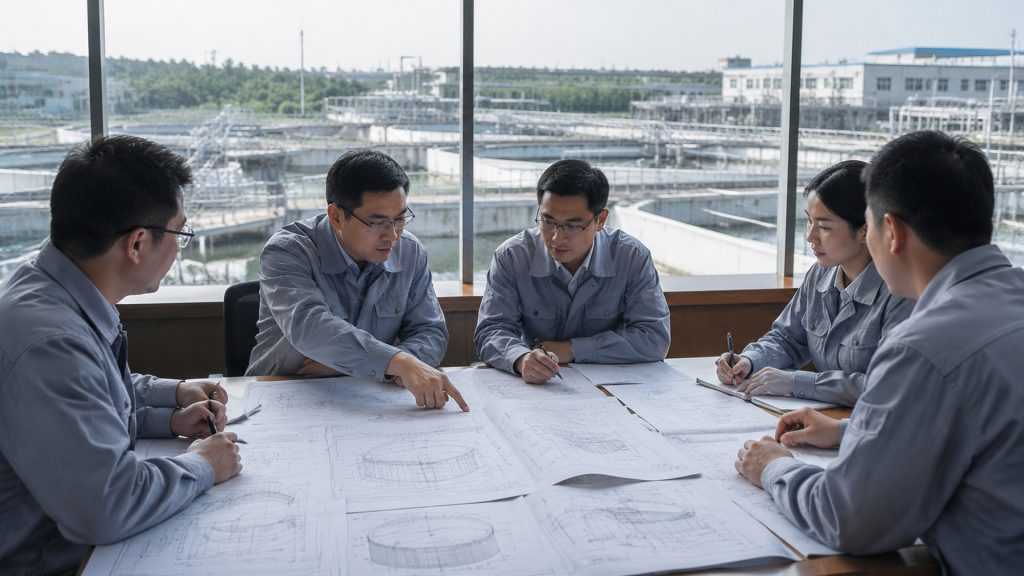
Selecting the appropriate process is essential for achieving stable sewage treatment plant performance. Different technologies, including activated sludge, sequencing batch reactor (SBR), membrane bioreactor (MBR), and integrated treatment systems, are suitable for different wastewater characteristics and project requirements. The selection process should consider treatment efficiency, footprint, energy consumption, operating costs, and maintenance needs to ensure reliable long-term wastewater treatment.
Factors Affecting Sewage Treatment Plant Process Selection
Choosing the right process for a sewage treatment plant requires evaluating several technical and operational factors. Engineers should consider influent quality, daily treatment capacity, discharge standards, available installation space, and future expansion needs. Energy consumption, automation level, and maintenance requirements also affect process selection. By balancing these factors, a sewage treatment plant can achieve reliable pollutant removal, efficient resource utilization, and stable long-term operation under different wastewater treatment conditions.
Impact of Discharge Standards on Sewage Treatment Plant Process Selection
Discharge standards play a significant role in determining the treatment process used in a sewage treatment plant. Projects with strict environmental regulations or water reuse requirements may require advanced biological treatment, membrane filtration, or tertiary treatment technologies. Selecting a process that complies with local discharge limits helps ensure consistent effluent quality while reducing the risk of regulatory violations. A properly designed sewage treatment plant can achieve long-term compliance and reliable environmental performance.
Comparison of Sewage Treatment Plant Processes
Different sewage treatment plant technologies offer unique advantages depending on wastewater characteristics and project requirements. Activated sludge systems are widely used for municipal wastewater, while SBR systems provide flexible batch operation for variable flows. MBR technology delivers high-quality effluent with a compact footprint, making it suitable for water reuse applications. Integrated treatment systems combine multiple processes into a single unit, offering simplified installation and operation for decentralized wastewater treatment projects.
MBR Sewage Treatment Plant Selection for Advanced Applications
An MBR sewage treatment plant is a suitable choice when projects require high-quality treated water, limited installation space, or water reuse capabilities. By combining biological treatment with membrane filtration, MBR systems achieve excellent removal of suspended solids, organic matter, and microorganisms. Although the initial investment may be higher than conventional systems, the improved effluent quality and compact design often provide greater long-term value for industrial, commercial, and municipal wastewater treatment applications.
Process Selection Benefits for Sewage Treatment Plant Performance
Selecting the most appropriate treatment process allows a sewage treatment plant to achieve higher efficiency, lower operating costs, and more reliable long-term performance. Matching process technology to wastewater characteristics helps optimize energy consumption, sludge production, and maintenance requirements while ensuring stable effluent quality. A well-designed treatment process also improves equipment utilization and supports future system upgrades, enabling the sewage treatment plant to meet changing environmental regulations and operational demands.
What Factors Should Be Considered When Selecting a Sewage Treatment Plant?
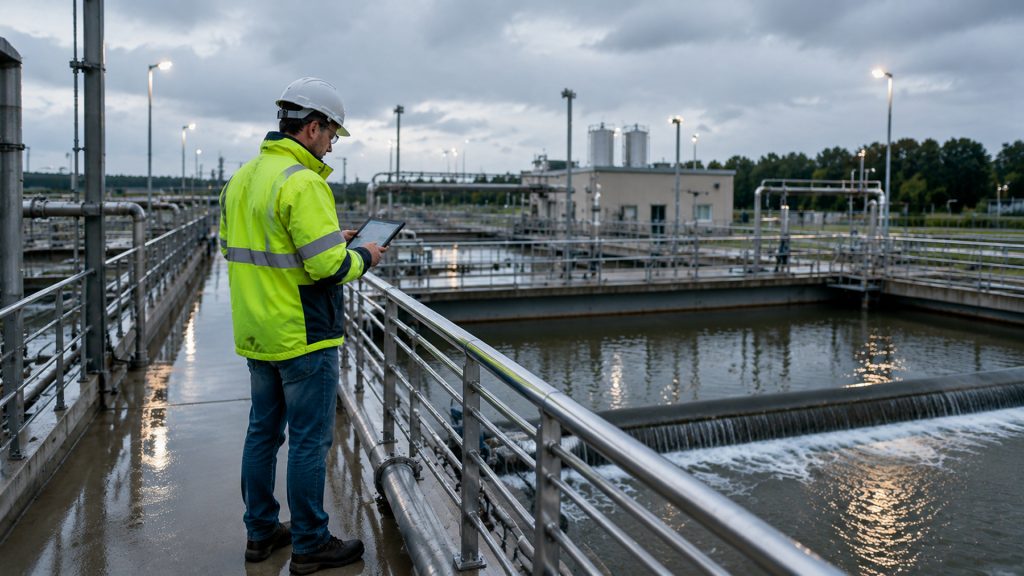
Selecting a sewage treatment plant requires evaluating wastewater source, treatment capacity, discharge standards, available installation space, and future expansion requirements. Operational costs, automation level, equipment durability, and maintenance accessibility should also be considered during system planning. A properly designed sewage treatment plant balances treatment performance with long-term operating efficiency and provides reliable wastewater management for various industrial and municipal applications.
Wastewater Characteristics in Sewage Treatment Plant Selection
Wastewater characteristics are one of the first considerations when selecting a sewage treatment plant. Factors such as pollutant concentration, flow rate, pH, temperature, and the presence of oils or chemicals determine the most suitable treatment process and equipment configuration. Municipal and industrial wastewater often require different treatment solutions due to their unique compositions. Understanding these characteristics helps engineers design a sewage treatment plant that delivers stable treatment performance, efficient pollutant removal, and long-term operational reliability.
Treatment Capacity Considerations for Sewage Treatment Plant Selection
Treatment capacity determines how much wastewater a sewage treatment plant can process within a specific period. Selecting the correct capacity ensures the system can handle both average and peak flow conditions without reducing treatment efficiency. Oversized systems may increase investment and operating costs, while undersized systems can lead to overloaded equipment and unstable effluent quality. Proper capacity planning helps a sewage treatment plant operate efficiently while supporting future expansion and changing wastewater demands.
Operating Cost Factors for Sewage Treatment Plant Selection
Operating costs have a significant impact on the long-term value of a sewage treatment plant. Energy consumption, chemical usage, equipment maintenance, sludge disposal, and labor requirements all contribute to the overall lifecycle cost of the system. Selecting energy-efficient equipment and reliable treatment technologies can reduce operational expenses while maintaining stable performance. A cost-effective sewage treatment plant should balance initial investment with long-term operating efficiency and maintenance requirements.
Automation Benefits in Sewage Treatment Plant Operation
Automation improves sewage treatment plant operation by continuously monitoring equipment performance, water quality, and process parameters. Intelligent control systems can automatically adjust aeration, pumping, and chemical dosing based on changing wastewater conditions, reducing manual intervention and improving treatment stability. Automated operation also minimizes energy waste, shortens response time to abnormal conditions, and supports preventive maintenance. As a result, a modern sewage treatment plant can achieve higher efficiency, greater reliability, and lower operating costs.
Customized Sewage Treatment Plant Solutions
Every wastewater treatment project has unique requirements, making customized system design an important consideration when selecting a sewage treatment plant. Factors such as wastewater source, discharge standards, available space, and future expansion plans influence equipment configuration and process selection. A customized sewage treatment plant provides better treatment efficiency, improved operational flexibility, and easier maintenance than a standard solution. Working with an experienced manufacturer helps ensure the system is optimized for long-term performance and regulatory compliance.
How Does a Sewage Treatment Plant Achieve Stable Operation?
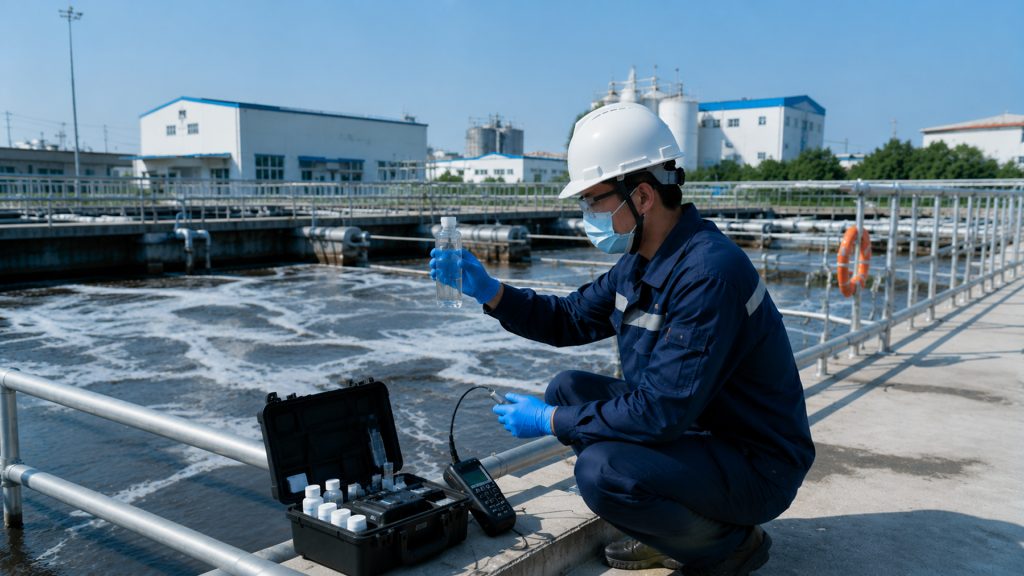
Stable operation depends on effective process control, equipment maintenance, and continuous monitoring of key operating parameters. A sewage treatment plant should maintain appropriate biological activity, hydraulic conditions, sludge management, and water quality monitoring to achieve consistent treatment results. Regular inspections and preventive maintenance reduce operational risks and help ensure compliance with environmental regulations throughout the system lifecycle.
Process Monitoring for Sewage Treatment Plant Stability
Continuous process monitoring is essential for maintaining stable sewage treatment plant performance under changing operating conditions. Operators should regularly monitor parameters such as flow rate, dissolved oxygen, pH, sludge concentration, and effluent quality to detect abnormalities before they affect system performance. Real-time monitoring helps optimize treatment efficiency, reduce energy consumption, and support timely operational adjustments. A well-monitored sewage treatment plant is better equipped to maintain reliable wastewater treatment and meet discharge standards consistently.
Key Operating Parameters for Sewage Treatment Plant Monitoring
A sewage treatment plant should continuously monitor key operating parameters to maintain efficient and stable performance. Important indicators include influent and effluent flow rates, dissolved oxygen (DO), pH, mixed liquor suspended solids (MLSS), sludge retention time (SRT), and chemical oxygen demand (COD). Tracking these parameters helps operators identify process changes, optimize biological treatment, and prevent equipment overload. Accurate monitoring supports long-term sewage treatment plant reliability and consistent wastewater treatment results.
Preventive Maintenance for Sewage Treatment Plant Reliability
Preventive maintenance is a critical practice for ensuring the long-term reliability of a sewage treatment plant. Routine inspections, equipment cleaning, lubrication, calibration, and timely replacement of worn components help prevent unexpected failures and reduce downtime. Maintaining pumps, blowers, valves, and monitoring instruments in good condition improves overall treatment efficiency and extends equipment service life. A well-maintained sewage treatment plant operates more safely, lowers maintenance costs, and provides dependable wastewater treatment performance.
Sewage Treatment Plant Equipment Inspection Requirements
The inspection frequency for sewage treatment plant equipment depends on operating conditions, equipment type, and manufacturer recommendations. Critical equipment such as pumps, blowers, aeration systems, and control instruments should be checked regularly to identify wear, leaks, or abnormal operation. Scheduled inspections and maintenance records help prevent unexpected breakdowns, improve equipment reliability, and maintain consistent treatment performance. A structured inspection plan supports the long-term stability of the sewage treatment plant.
Sludge Management for Sewage Treatment Plant Stability
Effective sludge management is essential for maintaining biological treatment efficiency in a sewage treatment plant. Proper control of sludge concentration, sludge age, and sludge removal helps sustain microbial activity and prevents treatment performance from declining. Efficient sludge handling also reduces odor, minimizes disposal costs, and improves overall process stability. By integrating appropriate sludge management practices, a sewage treatment plant can achieve consistent effluent quality, reliable operation, and long-term compliance with environmental regulations.
What Industries Commonly Use a Sewage Treatment Plant?
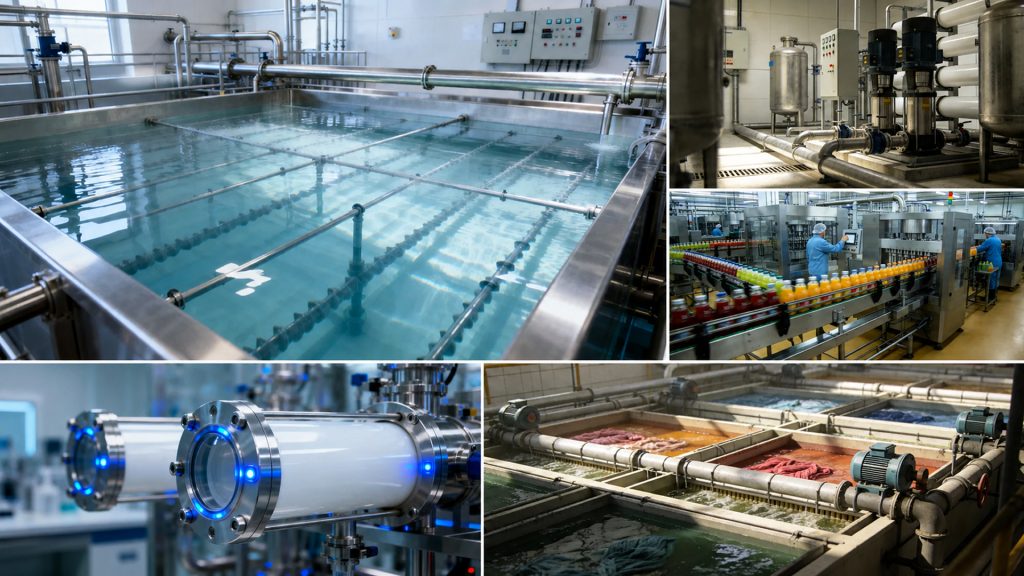
A sewage treatment plant is widely used in municipal wastewater treatment, manufacturing facilities, food and beverage production, pharmaceutical plants, textile processing, and commercial developments. Different industries generate wastewater with unique characteristics, requiring customized treatment processes and equipment configurations. Selecting the appropriate sewage treatment plant helps organizations meet discharge regulations, improve water reuse opportunities, and support sustainable environmental management.
Municipal Wastewater Treatment Applications of a Sewage Treatment Plant
Municipal wastewater contains domestic sewage, organic matter, suspended solids, nutrients, and microorganisms that require effective treatment before discharge or reuse. A sewage treatment plant helps municipalities meet environmental regulations by removing pollutants through physical, biological, and chemical treatment processes. Proper system design ensures stable treatment performance despite seasonal flow variations and changing wastewater characteristics. A reliable sewage treatment plant also supports water conservation and improves the sustainability of urban wastewater management.
Water Reuse Applications in Municipal Sewage Treatment Plants
Many municipalities use a sewage treatment plant to produce treated water suitable for landscape irrigation, industrial cooling, road cleaning, and other non-potable applications. By incorporating advanced treatment and disinfection processes, the system improves effluent quality and reduces dependence on freshwater resources. Water reuse also lowers environmental impacts and supports sustainable urban development. A properly designed sewage treatment plant helps cities maximize water resource utilization while complying with local reuse standards.
Industrial Wastewater Treatment Requirements for Sewage Treatment Plants
Industrial wastewater often contains higher concentrations of organic pollutants, chemicals, oils, heavy metals, or suspended solids than municipal sewage. A sewage treatment plant designed for industrial applications must be customized according to wastewater characteristics and production processes. Appropriate pretreatment, biological treatment, and sludge management improve pollutant removal efficiency and ensure compliance with discharge regulations. Selecting the right sewage treatment plant helps manufacturers reduce environmental risks and maintain stable production operations.
Which Industries Require Customized Sewage Treatment Plant Solutions?
Many industries require customized sewage treatment plant solutions because wastewater composition varies significantly between applications. Food and beverage processing, textile manufacturing, pharmaceutical production, chemical plants, and electronics manufacturing each generate wastewater with unique treatment requirements. Tailored system design allows the sewage treatment plant to achieve reliable pollutant removal, improve operational efficiency, and meet industry-specific discharge standards while supporting future production expansion.
Commercial and Institutional Applications of Customized Sewage Treatment Plants
Commercial buildings, hospitals, hotels, schools, and residential developments often require compact and efficient sewage treatment plant solutions where municipal sewer access is limited or water reuse is desired. Customized systems can be designed to fit available installation space while providing stable treatment performance and simple operation. A well-planned sewage treatment plant helps reduce environmental impact, lower water consumption through reuse, and provide long-term wastewater management for a wide range of commercial applications.
Why Choose a Professional Sewage Treatment Plant Manufacturer?
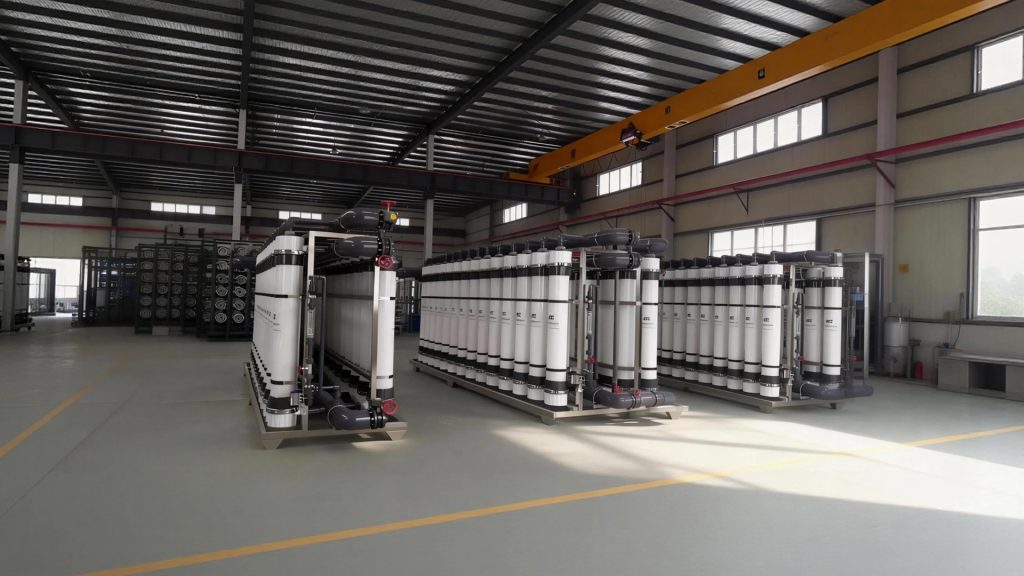
Working with an experienced sewage treatment plant manufacturer helps ensure proper process selection, equipment integration, and long-term technical support. Professional manufacturers evaluate wastewater characteristics, recommend suitable treatment technologies, and provide customized solutions for different industries. A well-designed sewage treatment plant improves treatment efficiency, reduces operating costs, and supports reliable environmental compliance throughout the project’s operational life.
Services Provided by a Professional Sewage Treatment Plant Manufacturer
A professional sewage treatment plant manufacturer should offer comprehensive services throughout the project lifecycle, from wastewater analysis and process design to equipment manufacturing, installation support, and after-sales service. Technical consultation and system customization help ensure that each sewage treatment plant is designed to meet specific treatment objectives and site conditions. Manufacturers with strong engineering capabilities can also provide commissioning, operator training, and long-term maintenance support to improve system reliability and operational efficiency.
Technical Support for Long-Term Sewage Treatment Plant Operation
Reliable technical support helps ensure that a sewage treatment plant continues to operate efficiently after installation. Professional manufacturers can provide troubleshooting, process optimization, equipment inspections, and maintenance recommendations based on actual operating conditions. Timely technical assistance reduces downtime, improves treatment stability, and extends equipment service life. Ongoing support also enables operators to adapt the sewage treatment plant to changing wastewater characteristics and evolving environmental regulations.
Customized Sewage Treatment Plant Solutions for Improved Project Performance
Every wastewater treatment project has unique requirements, making customization an important advantage when selecting a sewage treatment plant manufacturer. By evaluating influent quality, treatment capacity, discharge standards, and site limitations, manufacturers can recommend suitable treatment processes and equipment configurations. A customized sewage treatment plant improves treatment efficiency, reduces operating costs, and provides greater flexibility for future expansion while ensuring long-term operational stability.
Key Evaluation Factors for Selecting a Sewage Treatment Plant Manufacturer
Before selecting a sewage treatment plant manufacturer, buyers should evaluate engineering experience, manufacturing capabilities, quality control systems, project references, and technical support services. It is also important to confirm whether the manufacturer can provide customized process design and comply with applicable environmental standards. Choosing an experienced partner helps reduce project risks and ensures the sewage treatment plant delivers reliable performance throughout its operational lifecycle.
Long-Term Reliability of an Experienced Sewage Treatment Plant Manufacturer
An experienced sewage treatment plant manufacturer combines engineering expertise, quality equipment, and professional project management to deliver reliable wastewater treatment solutions. Careful equipment selection, strict manufacturing standards, and comprehensive quality testing help improve system durability and operating efficiency. In addition, ongoing technical support and preventive maintenance services enable the sewage treatment plant to maintain stable performance, reduce lifecycle costs, and adapt to future operational requirements.