





Guia de conhecimento de estações STP

O guia de conhecimento de estações STP apresenta os princípios-chave do projeto de estações de tratamento de águas residuais, incluindo a seleção de processos, equilíbrio do fluxo hidráulico, mecanismos de tratamento biológico, métodos de manuseio de lamas e conformidade das descargas, ajudando engenheiros e planeadores a compreender como as unidades de tratamento integradas funcionam em conjunto para alcançar uma purificação de águas residuais estável e eficiente em aplicações municipais e industriais.

Artigos relacionados com o conhecimento de estações STP

How to Improve Sewage Waste Water Treatment Efficiency

Sewage waste water treatment efficiency directly affects wastewater quality, operating costs, and the long-term reliability of treatment systems. For industrial and commercial applications, achieving stable treatment performance is not only related to equipment selection but also depends on wastewater characteristics, process control, operational management, and technology integration. A poorly optimized treatment system may experience unstable effluent quality, excessive energy consumption, increased sludge production, and higher maintenance requirements.

Improving sewage waste water treatment efficiency requires a systematic approach that considers the entire treatment process. By analyzing wastewater conditions, optimizing operating parameters, reducing unnecessary resource consumption, and selecting suitable treatment technologies, users can improve pollutant removal performance and maintain stable operation. A well-managed sewage waste water treatment system can help industries achieve reliable wastewater management while improving overall economic and environmental benefits.

Analyzing Wastewater Characteristics Helps Improve Sewage Waste Water Treatment Efficiency

Accurate wastewater characteristics analysis is the foundation for improving sewage waste water treatment efficiency. Different industrial processes generate wastewater with different pollutant compositions, flow variations, and treatment challenges. Parameters such as chemical oxygen demand (COD), biochemical oxygen demand (BOD), total suspended solids (TSS), ammonia nitrogen, pH value, conductivity, and organic loading provide important information for determining suitable treatment strategies.

Before optimizing a sewage waste water treatment system, engineers need to understand both average wastewater conditions and possible fluctuations during operation. Sudden changes in pollutant concentration or flow rate may affect biological activity, filtration performance, and overall process stability. Without accurate wastewater data, treatment systems may be improperly configured, resulting in inefficient operation or additional modification costs.

By establishing detailed wastewater characteristics information, users can select more suitable treatment processes and equipment configurations. Proper wastewater analysis helps determine pretreatment requirements, biological treatment capacity, membrane selection, and operational control methods, creating a stronger foundation for improving long-term sewage waste water treatment efficiency.

Identifying Key Pollutant Parameters Determines Sewage Waste Water Treatment Requirements

Before designing or optimizing a sewage waste water treatment system, identifying key pollutant parameters is essential for determining appropriate treatment requirements. Wastewater characteristics directly influence process selection, equipment configuration, and expected treatment performance. Different industries may produce wastewater containing various pollutants, including organic compounds, suspended solids, nutrients, oils, chemicals, and dissolved substances. Understanding these components allows engineers to select treatment methods that match actual wastewater conditions rather than applying unsuitable standard solutions.

Parameters such as chemical oxygen demand (COD), biochemical oxygen demand (BOD), total suspended solids (TSS), ammonia nitrogen, pH value, conductivity, and turbidity provide important information about wastewater quality. COD and BOD indicate the concentration of biodegradable and oxidizable organic pollutants, which are critical for evaluating biological treatment requirements. TSS reflects the amount of suspended particles that may affect clarification, filtration, or membrane processes, while pH and conductivity help determine whether additional conditioning or specialized treatment stages are necessary.

For a sewage waste water treatment system, accurate pollutant analysis provides a technical basis for selecting suitable treatment processes. By evaluating wastewater parameters before system design, engineers can determine pretreatment requirements, biological treatment capacity, chemical dosing strategies, and advanced treatment configurations. This approach improves treatment efficiency, reduces operational risks, and helps ensure that the system achieves stable performance under actual working conditions.

Evaluating Wastewater Fluctuations Improves Sewage Waste Water Treatment Stability

Wastewater characteristics may change significantly during the operation of a sewage waste water treatment system, especially in industrial applications with variable production processes. Flow rate fluctuations, changes in raw materials, production schedules, and seasonal factors can cause variations in pollutant concentration. If these changes are not considered during system planning, treatment units may experience unstable loading conditions, reduced removal efficiency, or increased operational challenges.

A comprehensive wastewater evaluation should consider both normal operating conditions and potential peak loading scenarios. For example, industrial wastewater may contain sudden increases in organic pollutants during specific production periods, while certain processes may introduce substances that affect microbial activity or membrane performance. Understanding these variations helps engineers design suitable equalization capacity, treatment flexibility, and process control strategies.

By evaluating wastewater fluctuations in advance, operators can maintain more stable sewage waste water treatment efficiency throughout long-term operation. Proper consideration of changing wastewater conditions reduces the risk of system overload, improves process adaptability, and supports consistent treated water quality. This is especially important for industrial users that require continuous wastewater treatment performance despite changing influent conditions.

Optimizing Pretreatment Processes Improves Sewage Waste Water Treatment Efficiency

Pretreatment plays an important role in improving sewage waste water treatment efficiency by reducing the load on downstream treatment units. Before wastewater enters biological or membrane treatment stages, contaminants such as suspended solids, oils, particles, and substances that may interfere with treatment performance should be effectively controlled. Poor pretreatment conditions can increase fouling risks, reduce equipment performance, and shorten maintenance cycles.

The selection of pretreatment methods should be based on actual wastewater characteristics rather than using a standard configuration for every application. Screening, sedimentation, filtration, chemical conditioning, and other pretreatment methods may be applied depending on the types and concentrations of pollutants present in the wastewater. For example, wastewater with high suspended solids content may require stronger physical separation, while wastewater containing oils or complex organic compounds may require additional treatment measures.

A properly designed pretreatment process allows the main treatment units to operate under more stable conditions. By reducing contaminant loading before advanced treatment stages, a sewage waste water treatment system can achieve better treatment efficiency, lower maintenance requirements, and improved operational reliability.

Removing Suspended Solids Through Suitable Pretreatment Improves Sewage Waste Water Treatment Efficiency

Suspended solids are one of the major factors that can affect the performance of a sewage waste water treatment system, especially when wastewater enters biological treatment or membrane separation units with a high particle load. Excessive suspended solids may increase the burden on downstream processes, reduce treatment stability, and cause problems such as equipment blockage, sludge accumulation, or membrane fouling. Therefore, selecting suitable pretreatment methods to control suspended solids is an important step in improving overall treatment efficiency.

Common pretreatment methods for suspended solids removal include screening, sedimentation, and filtration processes. Screening is typically used to remove larger particles and debris from wastewater, while sedimentation helps separate heavier suspended materials through gravity separation. Filtration systems can provide further removal of smaller particles before wastewater enters advanced treatment stages. The selection of these methods should be based on factors such as particle size distribution, wastewater flow rate, and required treatment performance.

By effectively reducing suspended solids before the main treatment process, a sewage waste water treatment system can operate under more stable conditions. Proper solid removal reduces the workload of biological reactors and membrane units, improves equipment reliability, and decreases the frequency of maintenance activities. This allows the entire treatment process to achieve more consistent performance and longer operational stability.

Controlling Oil and Organic Contaminants Protects Sewage Waste Water Treatment Processes

Oil, grease, and complex organic compounds can negatively affect the efficiency of a sewage waste water treatment system if they are not properly controlled during the pretreatment stage. These substances may interfere with biological treatment processes by limiting microbial activity, reducing oxygen transfer efficiency, or creating surface accumulation problems. In membrane-based treatment systems, excessive organic contaminants may also accelerate membrane fouling and increase cleaning requirements.

The selection of oil and organic contaminant removal methods depends on wastewater composition and treatment objectives. Oil separation units, dissolved air flotation (DAF), adsorption processes, and other conditioning methods may be applied when wastewater contains high concentrations of oil or difficult-to-degrade organic substances. These pretreatment measures help reduce contaminant loading before wastewater reaches the main treatment units, allowing downstream processes to perform more effectively.

For industrial applications, controlling oil and organic pollutants before the primary treatment stage is essential for maintaining long-term sewage waste water treatment efficiency. Effective pretreatment protects biological systems, reduces operational fluctuations, and improves the reliability of advanced treatment equipment. By addressing challenging contaminants at the beginning of the treatment process, users can achieve better system performance and lower maintenance requirements.

Designing Pretreatment Systems According to Wastewater Conditions Improves Long-Term Operation

A suitable pretreatment system should be designed according to specific wastewater characteristics rather than applying the same configuration to every sewage waste water treatment application. Different industries may generate wastewater with significant differences in pollutant concentration, flow patterns, and contaminant types. A pretreatment process that works effectively for one wastewater source may not provide sufficient protection for another application.

Engineering evaluation before system design is necessary to determine the appropriate pretreatment configuration. Factors such as influent quality, hydraulic loading, downstream treatment technology, and final discharge requirements should be considered when selecting pretreatment equipment. For example, wastewater entering a membrane treatment process may require stronger filtration and fouling control measures, while wastewater with high organic loading may require additional conditioning before biological treatment.

A properly designed pretreatment system creates better operating conditions for the entire sewage waste water treatment process. By reducing pollutant fluctuations and protecting key treatment units, customized pretreatment solutions help improve system reliability, reduce unexpected downtime, and maintain stable treatment efficiency throughout long-term operation.

Integrating Pretreatment Monitoring Improves Sewage Waste Water Treatment Process Control

Continuous monitoring of pretreatment performance is an important factor in maintaining stable sewage waste water treatment efficiency. Even when the pretreatment system is properly designed, changes in wastewater characteristics may affect its removal performance over time. Variations in suspended solids concentration, oil content, organic loading, or flow conditions can influence the effectiveness of pretreatment units and create additional pressure on downstream treatment stages.

Monitoring parameters such as turbidity, suspended solids concentration, pressure difference across filtration units, and influent quality changes helps operators evaluate whether pretreatment equipment is functioning properly. When abnormal trends are detected, adjustments can be made to filtration operation, cleaning schedules, or equipment settings before downstream processes are affected. This proactive approach reduces the risk of performance decline caused by insufficient pretreatment.

For a sewage waste water treatment system, effective pretreatment monitoring improves overall process control and operational reliability. By maintaining stable conditions before biological or membrane treatment stages, users can reduce fouling risks, improve equipment lifespan, and achieve more consistent wastewater treatment results. Continuous evaluation ensures that pretreatment remains aligned with actual operating requirements throughout the system lifecycle.

Controlling Biological Treatment Conditions Improves Sewage Waste Water Treatment Efficiency

Biological treatment performance has a direct influence on sewage waste water treatment efficiency, especially in systems that rely on microorganisms to remove organic pollutants and nutrients. Microbial activity depends on suitable environmental conditions, including dissolved oxygen concentration, nutrient balance, hydraulic retention time, and sludge retention time. Improper control of these factors may reduce pollutant removal efficiency and create unstable treatment results.

Maintaining appropriate dissolved oxygen levels is one of the key factors in biological process management. Insufficient oxygen supply may limit microbial activity and reduce organic matter degradation, while excessive aeration can increase energy consumption without providing additional treatment benefits. Therefore, aeration intensity should be adjusted according to actual wastewater loading and biological treatment requirements.

Effective biological process control helps maintain stable microorganisms and improves overall sewage waste water treatment efficiency. Through continuous monitoring and operational adjustment, users can reduce process fluctuations, improve effluent quality, and achieve more reliable wastewater treatment performance during long-term operation.

Maintaining Suitable Dissolved Oxygen Levels Improves Sewage Waste Water Treatment Efficiency

Dissolved oxygen (DO) control is one of the most important factors affecting biological treatment performance in a sewage waste water treatment system. Microorganisms involved in biological processes require sufficient oxygen to break down organic pollutants and maintain effective metabolic activity. When dissolved oxygen levels are too low, microbial reactions may become limited, resulting in incomplete organic matter removal, unstable effluent quality, and reduced overall treatment efficiency.

However, maintaining a higher dissolved oxygen concentration does not always lead to better treatment performance. Excessive aeration can increase energy consumption without significantly improving pollutant removal efficiency. In addition, excessive oxygen supply may disturb the balance of microbial communities and increase operating costs. Therefore, aeration intensity should be adjusted according to wastewater loading, biological process requirements, and real-time operating conditions.

For a sewage waste water treatment system, proper dissolved oxygen management helps create stable conditions for microorganisms and improves process reliability. By continuously monitoring DO levels and optimizing aeration operation, users can maintain effective pollutant removal while reducing unnecessary energy consumption. This balance between treatment performance and operational efficiency is essential for achieving long-term stable wastewater treatment results.

Optimizing Sludge Retention Time Improves Biological Treatment Stability

Sludge retention time (SRT) is a critical operating parameter that influences microbial activity, sludge production, and treatment efficiency in a sewage waste water treatment process. SRT determines how long microorganisms remain within the biological treatment system before excess sludge is removed. An unsuitable SRT value may affect the growth conditions of microorganisms and reduce the ability of the system to remove organic pollutants and nutrients effectively.

When SRT is too short, the biological system may not maintain enough active microorganisms to achieve stable pollutant degradation. On the other hand, excessively long SRT may cause excessive sludge accumulation, increase oxygen requirements, and reduce process efficiency. Therefore, maintaining an appropriate SRT according to wastewater characteristics and treatment objectives is necessary for balancing pollutant removal performance and operational costs.

By optimizing sludge retention time, operators can improve microbial utilization efficiency and maintain a healthier biological environment. A properly controlled sewage waste water treatment system can achieve more stable treatment performance, reduce unnecessary sludge production, and improve long-term operational reliability. Regular evaluation of sludge characteristics and process conditions helps ensure that SRT remains suitable for actual treatment requirements.

Balancing Nutrient Conditions Supports Effective Sewage Waste Water Treatment Performance

Nutrient balance plays an important role in maintaining biological activity within a sewage waste water treatment system. Microorganisms require suitable amounts of carbon sources, nitrogen, phosphorus, and other essential nutrients to support growth and pollutant degradation. If nutrient conditions are not properly balanced, microbial activity may decrease, resulting in reduced treatment efficiency and unstable effluent quality.

Wastewater from different industries may have significantly different nutrient compositions. Some wastewater streams may contain excessive nitrogen or phosphorus, while others may lack sufficient nutrients required for biological processes. Understanding wastewater characteristics allows operators to adjust treatment conditions and maintain a suitable environment for microorganisms. This helps improve biological reaction efficiency and supports more consistent pollutant removal.

Effective nutrient management improves the stability of sewage waste water treatment by maintaining appropriate microbial growth conditions. Through wastewater analysis, operational monitoring, and process adjustment, users can prevent biological imbalance and improve overall system performance. Proper nutrient control is especially important for industrial wastewater applications where wastewater composition may vary significantly during operation.

Monitoring Biological Indicators Helps Maintain Sewage Waste Water Treatment Efficiency

Regular monitoring of biological indicators provides essential information for maintaining stable sewage waste water treatment performance. Biological treatment systems depend on complex microbial communities, and changes in microbial activity can directly influence pollutant removal efficiency. Without proper monitoring, operators may not detect early signs of process imbalance until treatment performance has already declined.

Important biological indicators include sludge concentration, sludge settling characteristics, sludge volume index (SVI), oxygen consumption rate, and changes in effluent quality. These indicators help operators understand whether microorganisms are functioning effectively and whether adjustments are required in aeration, sludge return, or operating parameters. For example, poor sludge settling performance may indicate problems with microbial balance or inappropriate operating conditions.

A data-based monitoring approach allows a sewage waste water treatment system to respond quickly to changing conditions and maintain stable operation. By combining regular testing with timely process adjustments, users can improve biological treatment reliability, reduce unexpected performance issues, and achieve consistent wastewater treatment efficiency throughout long-term operation.

Reducing Sludge Production Helps Maintain Sewage Waste Water Treatment Efficiency

Sludge generation is an important factor affecting the operating efficiency and management cost of sewage waste water treatment systems. During wastewater treatment, removed pollutants are transferred into sludge, which requires further thickening, dewatering, transportation, and disposal. Excessive sludge production can increase operational expenses and create additional challenges for wastewater management.

The amount of sludge generated is closely related to biological process conditions, organic loading, microbial growth, and sludge retention time. If operating parameters are not properly controlled, excessive biomass production or poor sludge settling performance may occur. These problems can reduce treatment stability and increase the workload of sludge handling processes.

Optimizing sludge management helps improve sewage waste water treatment efficiency by maintaining a balanced biological environment. Through proper sludge monitoring, process adjustment, and suitable treatment strategies, operators can reduce unnecessary sludge accumulation, improve system stability, and achieve more cost-effective wastewater treatment operation.

Optimizing Biological Process Control Reduces Excessive Sludge Production

Sludge production in a sewage waste water treatment system is closely connected with biological treatment conditions. During biological wastewater treatment, microorganisms consume organic pollutants and convert them into new biomass, which becomes part of the generated sludge. While a certain amount of sludge is necessary to maintain effective pollutant removal, uncontrolled microbial growth may lead to excessive biomass production and increase sludge handling requirements.

Maintaining balanced biological conditions is essential for controlling sludge generation. Parameters such as organic loading rate, dissolved oxygen (DO), nutrient availability, and sludge retention time (SRT) directly affect microbial growth and sludge production. For example, excessive organic loading may increase microbial reproduction, while unsuitable oxygen conditions may disturb biological balance and reduce treatment efficiency. Proper control of these factors helps maintain effective pollutant removal while avoiding unnecessary sludge accumulation.

For a sewage waste water treatment system, optimized biological process management provides a practical way to reduce sludge production without affecting treatment performance. By adjusting operating conditions based on wastewater characteristics and process data, operators can maintain a stable microbial environment, improve resource utilization, and reduce the costs associated with sludge treatment and disposal.

Improving Sludge Settling Performance Reduces Operational Problems in Sewage Waste Water Treatment

Sludge settling performance directly influences the stability and efficiency of a sewage waste water treatment process. After biological treatment, effective solid-liquid separation is required to produce high-quality treated water and maintain proper sludge circulation. Poor settling performance may cause problems such as increased suspended solids in effluent, sludge expansion, and reduced treatment efficiency, which can increase operational difficulties and maintenance requirements.

Several factors affect sludge settling characteristics, including microbial community structure, sludge concentration, dissolved oxygen conditions, and organic loading variations. Parameters such as sludge volume index (SVI) and settling rate are commonly used to evaluate sludge separation performance. When abnormal settling behavior occurs, operators may need to adjust aeration conditions, sludge return rates, or sludge retention time to restore process balance.

Maintaining good sludge settling performance helps a sewage waste water treatment system operate more efficiently by improving solid-liquid separation and reducing unnecessary sludge circulation. Through regular monitoring and process optimization, users can minimize sludge-related problems, maintain stable effluent quality, and improve the long-term reliability of wastewater treatment operations.

Applying Suitable Sludge Treatment Strategies Improves Sewage Waste Water Treatment Cost Control

Effective sludge treatment strategies are important for reducing the overall operating cost of a sewage waste water treatment system. After pollutants are removed from wastewater, the generated sludge requires further treatment processes such as thickening, dewatering, transportation, and disposal. If sludge management is not properly planned, these additional processes can significantly increase operational expenses and reduce system efficiency.

The selection of sludge treatment methods should consider factors such as sludge characteristics, production volume, moisture content, and final disposal requirements. Thickening processes can reduce sludge volume before further treatment, while dewatering technologies help decrease transportation and disposal costs by lowering water content. In some applications, optimizing upstream treatment processes can also reduce the amount of excess sludge generated.

A comprehensive sludge management approach allows a sewage waste water treatment system to achieve better economic performance while maintaining reliable treatment results. By combining sludge reduction strategies, appropriate treatment equipment, and continuous operational monitoring, users can reduce unnecessary sludge handling requirements and improve the overall sustainability of wastewater treatment operations.

Monitoring Sludge Characteristics Supports Stable Sewage Waste Water Treatment Operation

Continuous monitoring of sludge characteristics is essential for maintaining stable performance in a sewage waste water treatment system. Sludge properties can change due to variations in wastewater composition, biological conditions, and operating parameters. Without regular evaluation, changes in sludge quality may lead to reduced separation efficiency, increased disposal requirements, or unstable treatment performance.

Important monitoring indicators include sludge concentration, sludge volume index (SVI), settling performance, and excess sludge production rate. These parameters provide information about microbial conditions and help operators identify potential problems before they affect the entire treatment process. For example, abnormal increases in sludge volume may indicate excessive biomass growth or biological imbalance, requiring adjustments to operating conditions.

By applying systematic sludge monitoring, operators can make more accurate decisions regarding aeration control, sludge discharge frequency, and process optimization. This data-based management approach helps a sewage waste water treatment system maintain better operational stability, reduce unnecessary sludge generation, and achieve more efficient wastewater treatment performance over the long term.

Improving Energy Management Enhances Sewage Waste Water Treatment Efficiency

Energy consumption is one of the major operational factors influencing sewage waste water treatment efficiency and lifecycle cost. Processes such as aeration, pumping, mixing, and water transfer require continuous energy input, especially in industrial wastewater applications. Improving energy management allows users to maintain effective pollutant removal while reducing unnecessary power consumption.

Aeration systems usually represent a significant portion of energy usage because oxygen supply is essential for biological treatment. However, fixed aeration operation may not always match actual oxygen demand. By monitoring dissolved oxygen levels and adjusting blower operation according to process conditions, users can improve energy utilization while maintaining biological treatment performance.

In addition to aeration optimization, selecting suitable pumps, improving hydraulic design, and maintaining equipment efficiency can further reduce energy waste. A sewage waste water treatment system with optimized energy management can achieve better operational economics, stable treatment performance, and improved long-term sustainability.

Optimizing Aeration Control Reduces Energy Consumption in Sewage Waste Water Treatment

Aeration is one of the most energy-intensive processes in many sewage waste water treatment systems because biological treatment relies on oxygen supply to support microbial activity. Microorganisms require sufficient dissolved oxygen (DO) to break down organic pollutants and maintain effective treatment performance. However, operating aeration equipment at a fixed level regardless of actual wastewater conditions may result in unnecessary energy consumption and reduce overall system efficiency.

Optimizing aeration control requires adjusting oxygen supply according to real-time treatment requirements. Factors such as influent organic loading, dissolved oxygen concentration, microbial activity, and biological process conditions should be considered when determining suitable aeration intensity. For example, increasing aeration during periods of higher pollutant loading can support biological reactions, while reducing blower output during lower oxygen demand periods can prevent energy waste.

For a sewage waste water treatment system, efficient aeration management creates a balance between treatment performance and power consumption. By using monitoring data and appropriate control strategies, operators can maintain stable biological activity while reducing unnecessary electricity usage. This not only lowers operating costs but also improves the long-term economic efficiency and sustainability of wastewater treatment operations.

Selecting Efficient Equipment Improves Energy Performance of Sewage Waste Water Treatment Systems

Equipment efficiency has a direct influence on the energy consumption and operating cost of a sewage waste water treatment system. Components such as pumps, blowers, mixers, and water transfer equipment often operate continuously, meaning their energy performance can significantly affect the total lifecycle cost of the treatment facility. Selecting equipment that matches actual process requirements helps avoid unnecessary energy losses caused by improper sizing or inefficient operation.

For example, pumps should be selected according to required flow rate, hydraulic conditions, and system pressure rather than simply choosing higher-capacity models. Oversized equipment may operate outside its optimal efficiency range and consume additional electricity without improving treatment performance. Similarly, high-efficiency blowers and properly configured mixing systems can provide sufficient process support while reducing overall energy demand.

A well-designed sewage waste water treatment system should consider energy efficiency during both equipment selection and daily operation. By combining suitable equipment configuration with regular performance evaluation, users can improve energy utilization, reduce operating expenses, and maintain stable wastewater treatment performance. Efficient equipment management is an important factor in achieving reliable and cost-effective wastewater treatment.

Improving Hydraulic Efficiency Reduces Unnecessary Energy Consumption in Sewage Waste Water Treatment

Hydraulic performance is an important factor affecting energy efficiency in a sewage waste water treatment system. During wastewater transfer, pumping, and circulation processes, energy is required to overcome pipeline resistance, pressure losses, and elevation differences. Poor hydraulic design or inefficient flow management may increase equipment workload and lead to higher electricity consumption during long-term operation.

Improving hydraulic efficiency requires evaluating the entire wastewater flow pathway, including pipeline layout, pump selection, valve operation, and flow distribution. A properly designed hydraulic system reduces unnecessary resistance and allows pumps and other equipment to operate closer to their designed efficiency range. Regular inspection of pipelines and mechanical components can also help identify issues such as blockages or pressure losses that may increase energy requirements.

By optimizing hydraulic conditions, a sewage waste water treatment system can achieve more efficient wastewater movement while maintaining stable treatment performance. Reduced hydraulic losses lower the energy demand of pumping operations, improve equipment reliability, and contribute to better lifecycle economics. This approach is especially valuable for industrial wastewater treatment facilities that require continuous operation and effective cost control.

Applying Advanced Technologies Improves Sewage Waste Water Treatment Efficiency

Advanced treatment technologies provide additional solutions for improving sewage waste water treatment efficiency, especially when wastewater contains complex pollutants or requires higher-quality treated water. Traditional treatment processes may not always meet stricter discharge standards or water reuse requirements, making advanced separation technologies increasingly important for industrial applications.

Membrane-based technologies such as ultrafiltration (UF), membrane bioreactor (MBR), and reverse osmosis (RO) can be integrated with conventional treatment processes according to specific wastewater conditions. UF technology can improve suspended solids removal, MBR systems combine biological treatment with membrane separation, and RO technology provides deeper purification for applications requiring higher water quality.

However, advanced technology selection should be based on actual treatment objectives, operating conditions, and lifecycle requirements. A properly designed sewage waste water treatment system should balance treatment efficiency, energy consumption, maintenance requirements, and investment costs. Through reasonable technology integration, users can achieve more reliable wastewater treatment performance and improved water management results.

Integrating Membrane Technologies Improves Sewage Waste Water Treatment Efficiency

Membrane technologies have become an important solution for improving the performance of a sewage waste water treatment system, especially in applications requiring higher effluent quality, stronger pollutant removal capability, or water reuse potential. Compared with conventional separation methods, membrane processes use selective filtration barriers to separate contaminants from treated water, allowing wastewater treatment systems to achieve more stable and consistent purification results.

Different membrane technologies provide different treatment functions based on their separation characteristics. Ultrafiltration (UF) membranes are mainly used for removing suspended solids, colloidal substances, and microorganisms, making them suitable for improving water clarity and protecting downstream treatment units. Membrane bioreactor (MBR) technology combines biological treatment with membrane separation, allowing higher biomass concentration and more effective solid-liquid separation. Reverse osmosis (RO) technology provides deeper purification by removing dissolved salts and other small molecular contaminants when higher-quality treated water is required.

For a sewage waste water treatment system, membrane technology selection should be based on wastewater characteristics, treatment objectives, and operating conditions. Factors such as membrane fouling potential, cleaning requirements, energy consumption, and maintenance needs should be carefully evaluated before implementation. Proper membrane integration helps improve treatment reliability, maintain stable water quality, and enhance the long-term efficiency of wastewater treatment operations.

Applying MBR Technology Enhances Biological Treatment Performance in Sewage Waste Water Treatment

Membrane bioreactor (MBR) technology provides an advanced treatment approach for sewage waste water treatment systems that require high-quality effluent and stable biological performance. Unlike conventional activated sludge systems that rely on gravity sedimentation for solid-liquid separation, MBR systems use membrane filtration to separate treated water from biological sludge. This process allows the system to maintain a higher concentration of microorganisms and improve organic pollutant removal efficiency.

One of the main advantages of MBR technology is its ability to achieve excellent suspended solids removal and produce treated water with consistent quality. The membrane separation process reduces the risk of sludge escaping with the treated water and provides better control over the biological treatment environment. This makes MBR suitable for applications where wastewater discharge requirements are strict or where treated water needs to be reused for industrial purposes.

However, applying MBR technology requires proper consideration of operational factors such as membrane fouling control, aeration requirements, cleaning procedures, and energy consumption. A well-designed sewage waste water treatment system using MBR technology should balance treatment performance with long-term operating costs. When properly managed, MBR systems can provide reliable wastewater purification and improved process stability for industrial applications.

Selecting Advanced Treatment Technologies According to Wastewater Requirements Improves System Performance

Advanced treatment technologies should be selected based on actual wastewater conditions rather than simply adding additional treatment stages. Different industries generate wastewater with different pollutant characteristics, meaning the most suitable treatment solution depends on factors such as contaminant types, required effluent quality, available space, and operational requirements. Incorrect technology selection may increase investment costs and create unnecessary maintenance challenges.

For wastewater containing high levels of suspended solids or microorganisms, membrane filtration technologies such as ultrafiltration may provide effective separation performance. When biological pollutant removal and compact system design are required, MBR technology may be more suitable. For applications requiring deep purification and dissolved contaminant removal, reverse osmosis technology can provide additional treatment capability. The selection process should consider the complete treatment objective rather than focusing on a single performance parameter.

A properly configured sewage waste water treatment system integrates suitable technologies according to specific application requirements. By evaluating treatment efficiency, energy consumption, maintenance frequency, and lifecycle cost, users can achieve a more balanced wastewater treatment solution. Appropriate technology selection improves system reliability and helps maintain stable performance during long-term operation.

Choosing Morui Solutions Improves Sewage Waste Water Treatment Performance

Selecting a professional supplier is an important step for achieving reliable sewage waste water treatment performance. According to Morui’s product portfolio, the company provides customized water treatment solutions designed for different industrial applications, including wastewater treatment systems, membrane-based treatment solutions, and integrated water purification equipment.

Different industries face different wastewater challenges depending on production processes, pollutant characteristics, discharge requirements, and available installation conditions. Morui focuses on providing customized treatment solutions by combining engineering experience with suitable process configurations. Through appropriate equipment selection and system design, customers can achieve more stable wastewater treatment operation.

A reliable sewage waste water treatment system requires not only high-quality equipment but also proper process integration and long-term operational support. By choosing suitable solutions from Morui, industrial users can improve treatment efficiency, reduce operating difficulties, and achieve more sustainable wastewater management results.

Customizing Treatment Processes Improves Sewage Waste Water Treatment Performance

A suitable treatment process configuration is essential for achieving stable sewage waste water treatment performance, especially for industrial applications with different wastewater characteristics. Wastewater generated from different production activities may contain varying levels of organic pollutants, suspended solids, nutrients, oils, chemicals, or other contaminants. Therefore, a standardized treatment approach may not always provide the best results for every application.

Morui develops customized wastewater treatment solutions by considering factors such as influent water quality, required treatment standards, processing capacity, installation conditions, and operational requirements. Based on actual wastewater conditions, suitable treatment units can be combined to create a more effective system configuration. This approach helps ensure that each treatment stage performs its intended function while avoiding unnecessary equipment investment or inefficient operation.

For a sewage waste water treatment system, customized process design improves treatment stability and long-term reliability. By matching treatment technologies with specific wastewater challenges, users can achieve better pollutant removal performance, easier operation management, and improved lifecycle value. A properly configured system provides a stronger foundation for continuous wastewater treatment under changing industrial conditions.

Integrating Suitable Equipment Improves Sewage Waste Water Treatment Reliability

Equipment selection directly affects the operational stability and efficiency of a sewage waste water treatment system. Different treatment applications may require different combinations of equipment, including pretreatment units, biological treatment systems, filtration equipment, membrane technologies, and control components. Selecting unsuitable equipment or using an unbalanced configuration may lead to unstable operation, increased maintenance requirements, or reduced treatment performance.

Morui provides integrated water treatment solutions by combining different treatment technologies according to customer requirements. The selection of equipment considers factors such as wastewater characteristics, treatment capacity, operating environment, and future maintenance needs. Through proper system integration, individual treatment units can work together effectively and support stable wastewater purification performance.

A reliable sewage waste water treatment solution depends on the coordination between equipment design and process operation. With appropriate equipment configuration, industrial users can improve system efficiency, reduce operational challenges, and maintain consistent treated water quality. Proper integration also helps extend equipment service life and improve the overall economic performance of wastewater treatment projects.

Providing Technical Support Improves Long-Term Sewage Waste Water Treatment Operation

Long-term wastewater treatment performance depends not only on initial equipment selection but also on continuous technical support and operational management. During actual operation, wastewater characteristics, production conditions, and treatment requirements may change over time. Without proper technical guidance, these changes may affect system efficiency and increase operational difficulties.

Morui focuses on providing wastewater treatment solutions that consider the complete project lifecycle, including system design, equipment configuration, and operation requirements. By understanding customer application conditions, suitable treatment approaches can be recommended to help users achieve more stable performance. Professional technical support also helps operators better understand system operation requirements and improve daily management efficiency.

For industrial users, choosing a supplier with technical experience helps ensure that a sewage waste water treatment system continues to operate effectively after installation. Through suitable system solutions and professional support, customers can reduce unexpected operating problems, maintain reliable treatment results, and achieve more sustainable wastewater management.

How to Improve Sewage Water Treatment Plant Performance

A sewage water treatment plant must maintain stable treatment efficiency under changing wastewater conditions, continuous operation requirements, and increasingly strict environmental standards. Although wastewater treatment equipment provides the foundation for pollutant removal, the overall performance of a treatment system is determined by multiple factors, including wastewater characteristics, sludge management, operating conditions, energy consumption, and technology selection. Poor control of any key factor may lead to unstable effluent quality, increased maintenance requirements, and higher operating costs.

For industrial and commercial users, improving sewage water treatment plant performance requires a systematic approach rather than focusing on individual equipment components. By optimizing wastewater analysis, controlling operational parameters, improving energy efficiency, and adopting suitable treatment technologies, users can achieve more reliable wastewater management. A well-designed and properly operated sewage water treatment plant can provide stable water quality, longer equipment service life, and improved economic benefits throughout the system lifecycle.

Optimizing Wastewater Characteristics Analysis Before Sewage Water Treatment Plant Design

Accurate wastewater characteristics analysis is the foundation for designing an efficient sewage water treatment plant. Different industries and facilities generate wastewater with different pollutant compositions, flow patterns, and treatment requirements. Parameters such as chemical oxygen demand (COD), biochemical oxygen demand (BOD), total suspended solids (TSS), ammonia nitrogen, pH value, conductivity, and organic loading directly influence treatment process selection and operating performance.

Before designing a wastewater treatment system, engineers need to understand not only the average wastewater conditions but also possible fluctuations caused by production schedules, seasonal changes, or variations in raw materials. For example, wastewater with high organic concentration may require stronger biological treatment capacity, while wastewater containing excessive suspended solids may require effective pretreatment before entering the main treatment stage.

A detailed wastewater analysis helps determine suitable equipment capacity, hydraulic loading conditions, and treatment configurations. Without sufficient data evaluation, a sewage water treatment plant may experience problems such as insufficient treatment efficiency, excessive energy consumption, or unstable operation. By establishing accurate wastewater parameters at the beginning of system design, users can create a more reliable treatment solution that matches actual application requirements.

Analyzing Key Wastewater Parameters to Determine Sewage Water Treatment Plant Requirements

Before designing a sewage water treatment plant, accurately analyzing wastewater characteristics is essential for determining the required treatment capacity and process configuration. Wastewater generated from different industries may contain varying concentrations of organic pollutants, suspended solids, nutrients, oils, chemicals, and other contaminants. These differences directly affect the selection of treatment technologies, equipment specifications, and operating strategies. A treatment system designed without sufficient wastewater analysis may fail to achieve expected treatment performance or may require additional modifications after installation.

Key parameters such as chemical oxygen demand (COD), biochemical oxygen demand (BOD), total suspended solids (TSS), ammonia nitrogen, pH value, conductivity, and organic loading provide important information about wastewater conditions. COD and BOD indicate the level of organic pollutants that need to be removed, while TSS reflects the amount of suspended particles that may affect downstream treatment units. Parameters such as pH and conductivity help evaluate whether additional conditioning or specialized treatment processes are required before wastewater enters the main treatment stages.

For a sewage water treatment plant, understanding these parameters allows engineers to accurately estimate treatment requirements and avoid problems caused by unsuitable system design. Proper wastewater characterization helps determine biological treatment capacity, filtration requirements, chemical dosing needs, and overall system configuration. By establishing reliable wastewater data at the early design stage, users can develop a treatment solution that provides stable performance and meets actual operational requirements.

Evaluating Wastewater Variation to Ensure Stable Sewage Water Treatment Plant Operation

Wastewater characteristics are not always constant during the operation of a sewage water treatment plant. Industrial production schedules, seasonal changes, raw material variations, and different operating conditions can cause fluctuations in wastewater flow rate and pollutant concentration. If these variations are not considered during system design, the treatment process may experience unstable operation, reduced removal efficiency, or increased maintenance requirements.

A comprehensive wastewater analysis should evaluate both normal operating conditions and potential fluctuation scenarios. For example, wastewater from manufacturing processes may have sudden increases in organic loading during peak production periods, while certain industrial activities may introduce chemical substances that affect biological treatment performance. Understanding these variations enables engineers to design appropriate buffer capacity, pretreatment measures, and process control strategies to maintain stable treatment results.

When a sewage water treatment plant is designed based on realistic wastewater conditions, the system can better handle changes during long-term operation. This approach helps prevent excessive loading on treatment units, reduces the risk of process imbalance, and improves overall reliability. For industrial users, evaluating wastewater variation before installation is an important step toward achieving consistent effluent quality and reducing unexpected operational challenges.

Selecting Suitable Pretreatment Based on Wastewater Characteristics

Pretreatment plays an important role in protecting the main treatment units of a sewage water treatment plant, especially when wastewater contains high levels of suspended solids, oils, or substances that may interfere with biological or membrane processes. The selection of pretreatment methods should be based on detailed wastewater characteristics rather than using a standard configuration for all applications.

For wastewater with high suspended solids content, physical filtration or screening processes may be required to reduce particle loading before further treatment. When wastewater contains excessive organic compounds, oils, or substances that may inhibit biological activity, additional conditioning steps may be necessary to improve treatment stability. In membrane-based wastewater treatment systems, effective pretreatment can also help reduce fouling risks and maintain long-term filtration performance.

Choosing the correct pretreatment configuration allows the sewage water treatment plant to operate more efficiently by reducing the burden on downstream treatment processes. It also helps protect key equipment, improve system reliability, and reduce maintenance frequency. By matching pretreatment solutions with actual wastewater conditions, engineers can create a more balanced treatment system that achieves stable performance throughout its service life.

Reducing Sludge Generation to Improve Sewage Water Treatment Plant Operation

Sludge production is an important factor affecting the operating cost and management efficiency of a sewage water treatment plant. During wastewater treatment, pollutants removed from water are transferred into sludge, which requires further concentration, dewatering, transportation, and disposal. Excessive sludge generation can increase operating expenses and create additional challenges for long-term wastewater management.

The amount of sludge produced is closely related to biological treatment conditions, organic loading, dissolved oxygen (DO) concentration, and sludge retention time (SRT). In biological treatment processes, maintaining a balanced microbial environment is essential for achieving effective pollutant removal while avoiding unnecessary biomass accumulation. Improper operating conditions may cause poor sludge settling performance, increased sludge volume, or reduced treatment stability.

Optimizing sludge management requires continuous monitoring of sludge characteristics and treatment performance. Parameters such as sludge concentration, settling ability, and biological activity should be regularly evaluated to identify potential operational issues. By improving process control and adopting suitable sludge treatment strategies, a sewage water treatment plant can reduce unnecessary sludge generation, lower maintenance requirements, and achieve more efficient long-term operation.

Controlling Biological Treatment Conditions Helps Reduce Excess Sludge Production

Sludge generation in a sewage water treatment plant is closely related to the performance of biological treatment processes. During biological wastewater treatment, microorganisms consume organic pollutants and convert them into biomass, which becomes part of the generated sludge. Although a certain amount of biological sludge is necessary to maintain treatment efficiency, excessive microbial growth may increase sludge production and create additional handling requirements.

Maintaining suitable biological conditions is an important approach to controlling unnecessary sludge generation. Parameters such as dissolved oxygen (DO), organic loading rate, sludge retention time (SRT), and nutrient balance directly influence microbial activity and biomass formation. For example, insufficient oxygen supply may reduce pollutant removal efficiency, while excessive aeration and unbalanced operating conditions may increase energy consumption and contribute to inefficient biomass production.

By optimizing biological process control, operators can maintain an effective microbial environment while reducing excessive sludge accumulation. A properly managed sewage water treatment plant can achieve stable pollutant removal performance with a more balanced sludge production rate. This helps reduce downstream sludge treatment requirements, lower operating costs, and improve the overall efficiency of wastewater treatment operations.

Improving Sludge Settling Performance Enhances Sewage Water Treatment Plant Stability

Sludge settling performance directly affects the operational stability of a sewage water treatment plant. Poor sludge settling can lead to problems such as sludge expansion, increased suspended solids in treated water, and reduced separation efficiency in secondary clarification processes. These issues may decrease effluent quality and require additional operational adjustments to maintain system performance.

Monitoring sludge characteristics is essential for maintaining effective solid-liquid separation. Indicators such as sludge volume index (SVI), sludge concentration, and settling rate provide valuable information about sludge structure and biological conditions. When sludge characteristics become unstable, operators may need to adjust parameters such as aeration intensity, sludge return ratio, or sludge retention time to restore process balance.

A sewage water treatment plant with good sludge settling performance can operate more reliably while reducing unnecessary sludge circulation and treatment requirements. Stable sludge separation improves the efficiency of downstream processes and helps maintain consistent effluent quality. Through proper sludge monitoring and operational optimization, users can achieve better system stability and reduce the challenges associated with excessive sludge production.

Optimizing Sludge Retention Time Improves Long-Term Treatment Efficiency

Sludge retention time (SRT) is a critical operating parameter that influences both treatment performance and sludge generation in a sewage water treatment plant. SRT determines how long microorganisms remain in the biological treatment system before excess sludge is removed. An unsuitable SRT value may affect microbial activity, pollutant removal efficiency, and overall process stability.

If SRT is too short, the biological system may not contain sufficient microorganisms to effectively remove pollutants, resulting in unstable treatment performance. However, an excessively long SRT may cause unnecessary sludge accumulation, increase oxygen demand, and reduce operational efficiency. Therefore, maintaining an appropriate SRT according to wastewater characteristics and treatment objectives is essential for balancing purification performance and sludge production.

By optimizing sludge retention time, operators can improve microbial utilization efficiency and reduce excessive biomass formation. This allows the sewage water treatment plant to maintain reliable wastewater treatment performance while minimizing sludge handling requirements. Proper SRT management is especially important for industrial applications where continuous operation and cost control are key factors.

Advanced Treatment Technologies Help Control Sludge Generation in Sewage Water Treatment Plant

The selection of treatment technology can influence sludge generation characteristics in a sewage water treatment plant. Different wastewater treatment processes have different biomass production rates, separation methods, and sludge management requirements. Choosing a suitable treatment technology based on wastewater conditions can help users achieve better control over sludge production.

For example, membrane-based treatment technologies such as membrane bioreactor (MBR) systems can provide efficient solid-liquid separation and maintain higher concentrations of microorganisms within the biological process. This allows certain applications to achieve high-quality treated water with improved process control. However, technology selection should always consider wastewater characteristics, energy requirements, and maintenance conditions to ensure long-term suitability.

By combining appropriate treatment technology with effective operational management, a sewage water treatment plant can improve sludge control and overall treatment efficiency. A balanced approach helps users reduce sludge-related challenges while maintaining stable wastewater purification performance for industrial and commercial applications.

Maintaining Stable Operating Conditions for Long-Term Sewage Water Treatment Plant Performance

Stable operating conditions are essential for maintaining the long-term performance of a sewage water treatment plant. Even when the system design is appropriate, unstable operating parameters can reduce treatment efficiency and affect final water quality. Factors including wastewater flow variation, pollutant concentration changes, aeration conditions, hydraulic loading, and equipment operating status all influence the consistency of wastewater treatment results.

For biological wastewater treatment processes, maintaining suitable dissolved oxygen levels and hydraulic retention time is particularly important. Insufficient oxygen supply may reduce microbial activity and affect organic pollutant removal, while excessive aeration can increase energy consumption without improving treatment efficiency. Similarly, unstable flow conditions may affect treatment balance and reduce the overall performance of the system.

Regular monitoring and operational adjustment allow operators to maintain the sewage water treatment plant within its designed operating range. Tracking indicators such as influent and effluent quality, sludge condition, energy consumption, and equipment performance helps identify problems before they develop into major failures. Through effective operation management, wastewater treatment systems can achieve better reliability, longer service life, and consistent treatment performance.

Maintaining Proper Aeration Control Improves Sewage Water Treatment Plant Stability

Aeration control is one of the most important operational factors affecting the performance of a sewage water treatment plant, especially for systems that rely on biological treatment processes. Microorganisms require sufficient oxygen to break down organic pollutants, and the dissolved oxygen (DO) concentration directly influences microbial activity and treatment efficiency. If oxygen supply is insufficient, biological reactions may become unstable, resulting in reduced removal efficiency for organic matter and other pollutants.

However, excessive aeration does not always improve treatment performance and may create unnecessary energy consumption. Over-aeration can increase operating costs without providing additional treatment benefits, while unstable aeration conditions may disturb the balance of the biological system. Therefore, maintaining suitable DO levels according to wastewater characteristics and treatment requirements is essential for achieving efficient and stable operation.

For a sewage water treatment plant, continuous monitoring of oxygen conditions allows operators to adjust aeration equipment according to actual process demands. Proper aeration management helps maintain microbial activity, improve pollutant removal performance, and reduce unnecessary energy usage. By optimizing this key operating parameter, wastewater treatment facilities can achieve more reliable performance and longer operational stability.

Controlling Hydraulic Loading Maintains Consistent Sewage Water Treatment Plant Performance

Hydraulic loading has a significant impact on the stability of a sewage water treatment plant because variations in wastewater flow can affect the retention time and treatment efficiency of different process units. When the incoming flow exceeds the designed capacity, treatment processes may experience insufficient reaction time, reduced pollutant removal efficiency, and unstable effluent quality. Therefore, understanding and controlling hydraulic conditions is essential for maintaining reliable system operation.

Industrial and municipal wastewater flows may fluctuate due to production schedules, seasonal changes, or daily usage patterns. A treatment system that cannot adapt to these variations may experience sudden performance changes or increased stress on biological and filtration units. Proper hydraulic design, flow regulation, and operational adjustment help reduce the impact of these fluctuations and maintain more consistent treatment conditions.

By monitoring influent flow rate and hydraulic loading conditions, operators can identify abnormal changes and take corrective actions before they affect the entire system. A sewage water treatment plant operating under controlled hydraulic conditions can maintain better treatment efficiency, improve equipment reliability, and provide more stable effluent quality over long-term operation.

Monitoring Key Performance Indicators Supports Reliable Sewage Water Treatment Plant Operation

Continuous performance monitoring is essential for maintaining the long-term reliability of a sewage water treatment plant. Wastewater treatment performance can gradually change due to variations in influent conditions, equipment aging, biological activity changes, or operational adjustments. Without regular monitoring, potential problems may remain unnoticed until they significantly affect treatment efficiency or system availability.

Important monitoring indicators include influent and effluent water quality, chemical oxygen demand (COD), biochemical oxygen demand (BOD), suspended solids concentration, sludge characteristics, pressure conditions, and energy consumption. These operational data provide valuable information about whether the treatment system is functioning within its designed range. Early identification of abnormal trends allows operators to make adjustments before minor issues develop into major operational problems.

A data-based operation strategy helps improve the predictability and reliability of a sewage water treatment plant. By combining regular inspection with performance analysis, users can optimize operating parameters, reduce unexpected maintenance requirements, and extend equipment service life. Effective monitoring is therefore an important part of achieving stable wastewater treatment performance over many years.

Proper Equipment Maintenance Helps Preserve Sewage Water Treatment Plant Operating Stability

Equipment condition directly affects the operational stability of a sewage water treatment plant. Components such as pumps, blowers, valves, control systems, and filtration units operate continuously during wastewater treatment, and gradual wear or performance decline may influence overall system efficiency. Regular inspection and preventive maintenance help identify equipment issues before they cause process interruptions.

For example, reduced pump efficiency may affect wastewater transfer capacity, while blower performance problems may influence aeration stability in biological treatment processes. Similarly, control system failures may prevent operators from accurately adjusting important operating parameters. Maintaining equipment performance ensures that each treatment stage continues operating according to the original design requirements.

A well-maintained sewage water treatment plant can achieve more consistent treatment results and reduce the risk of unexpected downtime. Through scheduled inspections, timely component replacement, and proper operational management, users can improve system reliability and maintain stable wastewater treatment performance throughout the equipment lifecycle.

Adjusting Operating Parameters Based on Real-Time Conditions Improves Sewage Water Treatment Plant Efficiency

Wastewater treatment conditions can change continuously during system operation, making real-time adjustment an important strategy for maintaining stable performance. Fixed operating settings may not always provide the best results when influent quality, wastewater flow, or environmental conditions change. Adaptive operation allows the sewage water treatment plant to respond more effectively to actual process conditions and avoid performance fluctuations caused by changing treatment demands.

Parameters such as aeration intensity, sludge return ratio, chemical dosing levels, and treatment flow rates may require adjustment according to monitoring data. By analyzing operational information and making timely changes, operators can prevent process imbalance and maintain efficient pollutant removal. For example, adjusting aeration based on dissolved oxygen levels can help maintain suitable microbial activity while avoiding unnecessary energy consumption. This approach is particularly valuable for industrial wastewater applications where wastewater characteristics may vary significantly throughout production cycles.

Implementing flexible operational management helps the sewage water treatment plant achieve better efficiency and reliability over long-term operation. Instead of reacting only after performance problems occur, operators can use monitoring data to optimize system behavior proactively and improve overall process control. A data-driven adjustment strategy can reduce unnecessary resource consumption, improve treatment consistency, and minimize operational risks. By continuously optimizing operating parameters according to actual conditions, wastewater treatment facilities can maintain stable effluent quality, extend equipment service life, and achieve more sustainable operation.

Improving Energy Efficiency in Sewage Water Treatment Plant Operation

Energy consumption is one of the most important factors affecting the operating cost of a sewage water treatment plant. Processes such as aeration, pumping, mixing, and water circulation require continuous energy input, especially in systems designed for industrial wastewater treatment. Improving energy efficiency allows users to reduce operational expenses while maintaining effective pollutant removal performance.

Among wastewater treatment processes, aeration is often one of the largest energy-consuming stages because oxygen supply directly affects biological treatment efficiency. Optimizing aeration control according to actual oxygen demand can reduce unnecessary power consumption while maintaining suitable microbial activity. In addition, selecting efficient pumps and properly managing hydraulic conditions can further improve overall system energy utilization.

A modern sewage water treatment plant should achieve a balance between treatment performance and energy consumption. Excessive energy usage may indicate inefficient process control or unsuitable equipment configuration. Through optimized operation strategies, advanced control methods, and appropriate equipment selection, users can reduce long-term operating costs while maintaining stable wastewater treatment performance.

Optimizing Aeration Control Reduces Energy Consumption in Sewage Water Treatment Plant Operation

Aeration is one of the largest energy-consuming processes in many sewage water treatment plants because biological treatment relies on oxygen supply to support microbial activity. However, providing excessive oxygen does not always improve treatment efficiency and may lead to unnecessary energy consumption. If aeration intensity is too low, microorganisms may not receive sufficient oxygen for effective pollutant degradation, while excessive aeration can increase operating costs without providing additional treatment benefits.

Optimizing aeration control requires monitoring actual oxygen demand and adjusting air supply according to wastewater conditions. Parameters such as dissolved oxygen (DO) concentration, organic loading, and biological activity can help operators determine suitable aeration levels. Advanced control methods, including variable frequency drives and automated monitoring systems, can adjust blower operation more accurately and reduce energy waste during periods of lower oxygen demand.

For a sewage water treatment plant, efficient aeration management helps achieve a better balance between wastewater purification performance and power consumption. By supplying oxygen based on actual process requirements rather than fixed operating conditions, users can reduce long-term energy costs while maintaining stable biological treatment efficiency. This approach is especially important for industrial wastewater treatment facilities that operate continuously and require reliable performance with controlled operational expenses.

Selecting Energy-Efficient Equipment Improves Sewage Water Treatment Plant Performance

Equipment selection has a direct influence on the energy efficiency of a sewage water treatment plant. Pumps, blowers, mixers, and other mechanical components often operate for extended periods, meaning even small improvements in equipment efficiency can generate significant energy savings over the entire system lifecycle. Choosing equipment with suitable capacity and performance characteristics helps prevent unnecessary power consumption caused by oversizing or inefficient operation.

For example, pumps should be selected according to actual hydraulic requirements rather than simply choosing higher-capacity models. Oversized pumps may consume more electricity while operating outside their optimal efficiency range. Similarly, high-efficiency blowers and properly designed mixing systems can reduce energy demand while maintaining effective wastewater circulation and treatment conditions.

A well-designed sewage water treatment plant should consider energy efficiency during both equipment selection and system integration. Matching equipment performance with actual treatment requirements allows users to improve overall energy utilization and reduce operating costs. Through appropriate equipment configuration and regular performance evaluation, wastewater treatment facilities can maintain reliable operation while achieving better long-term economic benefits.

Reducing Hydraulic Losses Improves Energy Utilization in Sewage Water Treatment Plant Systems

Hydraulic efficiency is an important factor affecting the energy consumption of a sewage water treatment plant. During wastewater transfer and circulation, energy is required to overcome pipeline resistance, elevation differences, and equipment pressure losses. Poor hydraulic design or improper operating conditions may increase the workload of pumps and result in unnecessary electricity consumption.

Improving hydraulic efficiency requires evaluating factors such as pipeline layout, flow velocity, pump selection, and system pressure requirements. Properly designed flow paths can reduce resistance and allow equipment to operate closer to its optimal performance range. In addition, regular inspection of pipelines, valves, and pumping equipment helps identify issues that may increase energy demand during long-term operation.

For industrial wastewater treatment applications, reducing hydraulic losses can contribute to significant energy savings over the service life of the system. A sewage water treatment plant designed with efficient hydraulic management can maintain stable wastewater circulation while reducing unnecessary power consumption. This improves overall system efficiency and supports more sustainable wastewater treatment operation.

Using Advanced Treatment Technologies to Enhance Sewage Water Treatment Plant Performance

As wastewater discharge requirements become increasingly strict, many industries require sewage water treatment plants with higher treatment efficiency and improved water quality control. Conventional treatment methods may not always achieve the required results when wastewater contains complex pollutants or when treated water needs to be reused. In these situations, advanced treatment technologies can provide additional purification capability and improve overall system performance.

Membrane-based treatment technologies have become an important solution for applications requiring higher-quality treated water. Technologies such as ultrafiltration (UF), membrane bioreactor (MBR), and reverse osmosis (RO) can be integrated with traditional treatment processes according to specific wastewater characteristics and treatment targets. These technologies can improve suspended solids removal, enhance separation efficiency, and support more stable treated water quality.

However, advanced technologies should be selected according to actual application requirements rather than simply adding more treatment stages. A properly designed sewage water treatment plant should consider treatment performance, energy consumption, maintenance requirements, and lifecycle cost. Through reasonable technology integration, industrial users can improve wastewater treatment reliability and achieve more sustainable water management results.

Integrating Membrane Technologies Improves Sewage Water Treatment Plant Treatment Efficiency

Membrane technologies have become an important approach for improving the treatment performance of a sewage water treatment plant, especially in applications requiring higher effluent quality and stronger pollutant removal capability. Compared with conventional separation methods, membrane processes provide a physical filtration barrier that can effectively remove suspended solids, microorganisms, and certain dissolved contaminants depending on membrane characteristics. This makes membrane technologies suitable for industries facing stricter discharge standards or water reuse requirements.

Different membrane technologies provide different treatment advantages. Ultrafiltration membranes are commonly used for removing suspended solids, colloidal substances, and microorganisms, while membrane bioreactor (MBR) systems combine biological treatment with membrane separation to achieve efficient solid-liquid separation. Reverse osmosis (RO) technology can provide deeper purification by removing dissolved salts and other small molecular substances when higher water quality is required.

For a sewage water treatment plant, membrane technology selection should be based on wastewater characteristics, treatment objectives, and operating conditions. Instead of applying membrane processes as a universal solution, engineers need to evaluate factors such as energy consumption, membrane fouling potential, cleaning requirements, and maintenance conditions. Proper membrane integration can improve treatment reliability and help users achieve more stable wastewater management results.

Applying MBR Technology Enhances Biological Treatment Performance in Sewage Water Treatment Plant Systems

Membrane bioreactor (MBR) technology provides an advanced solution for sewage water treatment plants that require high-quality treated water within a compact system design. Unlike conventional activated sludge processes that rely mainly on gravity settling for solid-liquid separation, MBR systems use membrane filtration to separate treated water from biological sludge. This allows the system to maintain a higher concentration of microorganisms and improve organic pollutant removal efficiency.

One of the main advantages of MBR technology is its ability to produce high-quality effluent with low suspended solids content. The membrane separation process provides a physical barrier that reduces the risk of sludge carryover and improves treatment consistency. This characteristic makes MBR suitable for applications where treated wastewater quality requirements are strict or where limited installation space requires a more compact treatment configuration.

However, MBR systems also require careful operational management because membrane fouling, aeration requirements, and cleaning procedures directly affect system performance. When properly designed and operated, an MBR-based sewage water treatment plant can achieve efficient wastewater purification, stable operation, and improved water reuse potential for industrial and commercial applications.

Choosing Morui Sewage Water Treatment Plant Solutions for Industrial Applications

Selecting a suitable supplier is an important step for companies requiring reliable sewage water treatment plant solutions. According to the product range shown on Morui’s official website, the company provides different wastewater treatment solutions, including industrial wastewater treatment equipment, domestic sewage treatment solutions, and membrane-based treatment systems designed for different application scenarios.

For industrial wastewater applications, treatment requirements often vary depending on wastewater characteristics, discharge standards, available installation space, and operating conditions. Morui provides customized sewage treatment solutions by combining appropriate process configurations with professional engineering experience. Products such as industrial wastewater treatment plants and MBR-based sewage treatment equipment can help customers address different wastewater treatment challenges while maintaining stable operation.

A reliable sewage water treatment plant requires not only suitable equipment but also proper system integration, process design, and long-term operational support. By selecting a customized solution from Morui, customers can improve wastewater treatment efficiency, optimize operating costs, and achieve more stable long-term performance. For industries seeking efficient wastewater management solutions, choosing the right treatment system supplier is an important factor in achieving sustainable operation.

Sewage Treatment Plant: Key Processes and System Selection

A sewage treatment plant is designed to remove pollutants from wastewater and produce treated water that meets environmental discharge or reuse standards. Understanding how a sewage treatment plant works helps engineers, contractors, and buyers evaluate treatment processes, equipment configurations, and operating requirements. By analyzing influent characteristics, treatment objectives, and site conditions, users can select a sewage treatment plant that delivers reliable performance, cost efficiency, and long-term operational stability for municipal and industrial applications.

What Is a Sewage Treatment Plant and How Does It Work?

A sewage treatment plant is a complete wastewater treatment system that removes suspended solids, organic matter, nutrients, and harmful microorganisms from sewage. The treatment process typically includes preliminary, primary, biological, and final treatment stages. Each stage performs a specific function to improve water quality before discharge or reuse. Understanding the operating principle of a sewage treatment plant helps users select suitable technologies and maintain stable treatment performance under different wastewater conditions.

Sewage Treatment Plant Wastewater Treatment Process

A sewage treatment plant treats wastewater through a series of physical, biological, and chemical processes designed to remove different types of pollutants. Wastewater first passes through preliminary treatment to remove large debris before entering primary settling tanks. It then flows into biological treatment units where microorganisms break down organic contaminants. Finally, treated water undergoes clarification and disinfection before being discharged or reused. This step-by-step process enables the sewage treatment plant to achieve reliable treatment efficiency and comply with environmental regulations.

Main Treatment Stages of a Sewage Treatment Plant

A sewage treatment plant is typically divided into four main treatment stages, each serving a specific purpose in wastewater purification. Preliminary treatment removes coarse materials, while primary treatment separates suspended solids through sedimentation. Biological treatment reduces dissolved organic matter and nutrients using microorganisms, and final treatment improves water quality through filtration or disinfection. Together, these stages enable the sewage treatment plant to produce treated water that meets discharge or reuse requirements across different applications.

Biological Treatment Process in a Sewage Treatment Plant

Biological treatment is the core process of most sewage treatment plant systems because it removes biodegradable organic matter and nutrients through naturally occurring microorganisms. Technologies such as activated sludge, membrane bioreactors (MBR), and sequencing batch reactors (SBR) are commonly used to improve treatment efficiency. Effective biological treatment reduces chemical oxygen demand (COD) and biological oxygen demand (BOD), helping the sewage treatment plant achieve stable effluent quality while supporting energy-efficient and environmentally responsible wastewater treatment.

What Are the Main Components of a Sewage Treatment Plant?

A sewage treatment plant consists of several key components that work together to achieve effective wastewater treatment. Common equipment includes screening units, grit chambers, biological treatment tanks, sedimentation tanks, sludge treatment systems, and disinfection units. Each component contributes to pollutant removal and overall system efficiency. Proper equipment selection and integration help a sewage treatment plant maintain reliable operation, reduce maintenance requirements, and meet different discharge standards.

Primary Treatment Components of a Sewage Treatment Plant

The primary treatment section of a sewage treatment plant removes large debris, sand, grit, and suspended solids before biological treatment begins. Typical components include bar screens, grit chambers, and primary sedimentation tanks, which protect downstream equipment and improve treatment efficiency. By reducing the pollutant load entering the biological process, these components help the sewage treatment plant operate more reliably while lowering maintenance requirements and extending the service life of major treatment equipment.

Screening Units for Sewage Treatment Plant Protection

Screening units are the first line of protection in a sewage treatment plant, removing large objects such as plastics, rags, wood, and other debris from incoming wastewater. Effective screening prevents equipment blockage, reduces wear on pumps and pipelines, and improves the efficiency of downstream treatment processes. Selecting an appropriate screening system helps the sewage treatment plant maintain stable operation, minimize maintenance costs, and protect critical treatment equipment from unnecessary damage.

Biological Treatment Units in a Sewage Treatment Plant

Biological treatment units are the core components of a sewage treatment plant because they remove dissolved organic matter and nutrients through microbial activity. Common technologies include activated sludge systems, membrane bioreactors (MBR), and sequencing batch reactors (SBR). These units significantly reduce COD, BOD, nitrogen, and phosphorus levels while improving treated water quality. Proper biological process design enables the sewage treatment plant to achieve stable treatment performance under varying wastewater conditions.

Sedimentation Tanks in Sewage Treatment Plant Performance Optimization

Sedimentation tanks separate suspended solids from wastewater by allowing particles to settle under gravity after biological treatment. This process improves water clarity, reduces the load on disinfection systems, and enhances overall treatment efficiency. Properly designed sedimentation tanks also support sludge collection and recycling, helping the sewage treatment plant maintain stable effluent quality while reducing operational costs and improving long-term system reliability.

Sludge Treatment Functions in a Sewage Treatment Plant

Sludge treatment is an essential part of a sewage treatment plant because it manages the solid by-products generated during wastewater treatment. Typical sludge handling processes include thickening, dewatering, stabilization, and final disposal or reuse. Efficient sludge treatment reduces waste volume, lowers transportation costs, and minimizes environmental impact. Integrating suitable sludge treatment equipment allows the sewage treatment plant to improve operational efficiency while meeting environmental regulations and sustainability goals.

How Does Influent Quality Affect Sewage Treatment Plant Design?

Influent quality is one of the most important factors in sewage treatment plant design and equipment selection. Parameters such as chemical oxygen demand (COD), biological oxygen demand (BOD), suspended solids (SS), ammonia nitrogen, phosphorus, and flow variation determine the required treatment process. Accurate influent analysis allows engineers to optimize equipment configuration, improve treatment efficiency, and ensure the sewage treatment plant consistently achieves the required effluent quality under changing operating conditions.

Influent Analysis for Sewage Treatment Plant Design

Influent analysis provides the foundation for designing an efficient sewage treatment plant by identifying the physical, chemical, and biological characteristics of wastewater. Engineers evaluate factors such as pollutant concentration, flow variation, pH, and temperature to determine suitable treatment technologies and equipment. A comprehensive influent assessment helps optimize process design, improve treatment efficiency, and reduce operational risks. Accurate data also enables the sewage treatment plant to maintain stable performance while meeting discharge or water reuse requirements.

Key Water Quality Parameters for Sewage Treatment Plant Evaluation

A sewage treatment plant relies on several key water quality parameters to evaluate influent characteristics and treatment requirements. Common indicators include chemical oxygen demand (COD), biological oxygen demand (BOD), suspended solids (SS), ammonia nitrogen, total phosphorus, pH, and flow rate. These parameters help engineers understand pollutant loads and select appropriate treatment processes. Continuous monitoring ensures the sewage treatment plant can respond to changing wastewater conditions and maintain consistent treatment performance.

Influent Quality Impact on Sewage Treatment Plant Process Selection

Different influent characteristics require different treatment processes in a sewage treatment plant. Wastewater with high organic content may require enhanced biological treatment, while industrial wastewater containing toxic substances may need additional chemical or physical treatment. Variations in flow rate and pollutant concentration also influence tank sizing, aeration requirements, and sludge management. Matching the treatment process to influent quality helps the sewage treatment plant achieve reliable pollutant removal, improve energy efficiency, and reduce operating costs.

Flow Variation Impact on Sewage Treatment Plant Performance

Flow variation can significantly influence the efficiency and stability of a sewage treatment plant. Sudden increases or decreases in wastewater flow may affect hydraulic retention time, biological activity, and pollutant removal efficiency. Designing equalization tanks and selecting appropriate process capacities help balance flow fluctuations and maintain stable operating conditions. Effective flow management enables the sewage treatment plant to achieve consistent effluent quality while reducing operational stress on treatment equipment.

Influent Evaluation for Improved Sewage Treatment Plant Efficiency

Proper influent evaluation allows engineers to optimize every stage of a sewage treatment plant, from equipment selection to process configuration. Understanding wastewater composition helps determine suitable biological systems, pretreatment methods, and sludge handling solutions. Accurate evaluation also reduces unnecessary energy consumption, minimizes maintenance requirements, and improves overall treatment reliability. By designing the sewage treatment plant according to actual influent conditions, operators can achieve better long-term performance and lower lifecycle costs.

How to Choose the Right Treatment Process for a Sewage Treatment Plant?

Selecting the appropriate process is essential for achieving stable sewage treatment plant performance. Different technologies, including activated sludge, sequencing batch reactor (SBR), membrane bioreactor (MBR), and integrated treatment systems, are suitable for different wastewater characteristics and project requirements. The selection process should consider treatment efficiency, footprint, energy consumption, operating costs, and maintenance needs to ensure reliable long-term wastewater treatment.

Factors Affecting Sewage Treatment Plant Process Selection

Choosing the right process for a sewage treatment plant requires evaluating several technical and operational factors. Engineers should consider influent quality, daily treatment capacity, discharge standards, available installation space, and future expansion needs. Energy consumption, automation level, and maintenance requirements also affect process selection. By balancing these factors, a sewage treatment plant can achieve reliable pollutant removal, efficient resource utilization, and stable long-term operation under different wastewater treatment conditions.

Impact of Discharge Standards on Sewage Treatment Plant Process Selection

Discharge standards play a significant role in determining the treatment process used in a sewage treatment plant. Projects with strict environmental regulations or water reuse requirements may require advanced biological treatment, membrane filtration, or tertiary treatment technologies. Selecting a process that complies with local discharge limits helps ensure consistent effluent quality while reducing the risk of regulatory violations. A properly designed sewage treatment plant can achieve long-term compliance and reliable environmental performance.

Comparison of Sewage Treatment Plant Processes

Different sewage treatment plant technologies offer unique advantages depending on wastewater characteristics and project requirements. Activated sludge systems are widely used for municipal wastewater, while SBR systems provide flexible batch operation for variable flows. MBR technology delivers high-quality effluent with a compact footprint, making it suitable for water reuse applications. Integrated treatment systems combine multiple processes into a single unit, offering simplified installation and operation for decentralized wastewater treatment projects.

MBR Sewage Treatment Plant Selection for Advanced Applications

An MBR sewage treatment plant is a suitable choice when projects require high-quality treated water, limited installation space, or water reuse capabilities. By combining biological treatment with membrane filtration, MBR systems achieve excellent removal of suspended solids, organic matter, and microorganisms. Although the initial investment may be higher than conventional systems, the improved effluent quality and compact design often provide greater long-term value for industrial, commercial, and municipal wastewater treatment applications.

Process Selection Benefits for Sewage Treatment Plant Performance

Selecting the most appropriate treatment process allows a sewage treatment plant to achieve higher efficiency, lower operating costs, and more reliable long-term performance. Matching process technology to wastewater characteristics helps optimize energy consumption, sludge production, and maintenance requirements while ensuring stable effluent quality. A well-designed treatment process also improves equipment utilization and supports future system upgrades, enabling the sewage treatment plant to meet changing environmental regulations and operational demands.

What Factors Should Be Considered When Selecting a Sewage Treatment Plant?
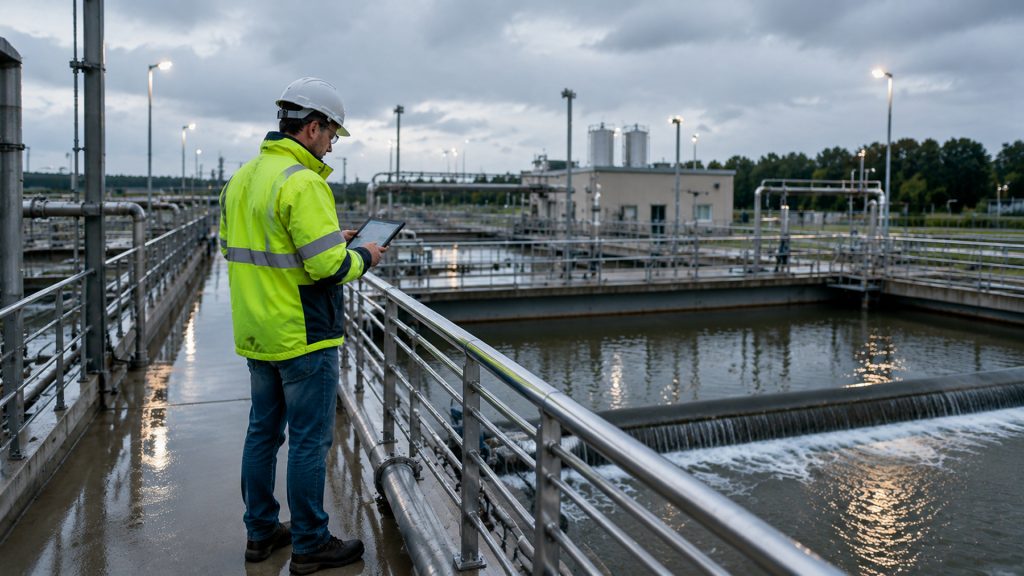
Selecting a sewage treatment plant requires evaluating wastewater source, treatment capacity, discharge standards, available installation space, and future expansion requirements. Operational costs, automation level, equipment durability, and maintenance accessibility should also be considered during system planning. A properly designed sewage treatment plant balances treatment performance with long-term operating efficiency and provides reliable wastewater management for various industrial and municipal applications.

Wastewater Characteristics in Sewage Treatment Plant Selection

Wastewater characteristics are one of the first considerations when selecting a sewage treatment plant. Factors such as pollutant concentration, flow rate, pH, temperature, and the presence of oils or chemicals determine the most suitable treatment process and equipment configuration. Municipal and industrial wastewater often require different treatment solutions due to their unique compositions. Understanding these characteristics helps engineers design a sewage treatment plant that delivers stable treatment performance, efficient pollutant removal, and long-term operational reliability.

Treatment Capacity Considerations for Sewage Treatment Plant Selection

Treatment capacity determines how much wastewater a sewage treatment plant can process within a specific period. Selecting the correct capacity ensures the system can handle both average and peak flow conditions without reducing treatment efficiency. Oversized systems may increase investment and operating costs, while undersized systems can lead to overloaded equipment and unstable effluent quality. Proper capacity planning helps a sewage treatment plant operate efficiently while supporting future expansion and changing wastewater demands.

Operating Cost Factors for Sewage Treatment Plant Selection

Operating costs have a significant impact on the long-term value of a sewage treatment plant. Energy consumption, chemical usage, equipment maintenance, sludge disposal, and labor requirements all contribute to the overall lifecycle cost of the system. Selecting energy-efficient equipment and reliable treatment technologies can reduce operational expenses while maintaining stable performance. A cost-effective sewage treatment plant should balance initial investment with long-term operating efficiency and maintenance requirements.

Automation Benefits in Sewage Treatment Plant Operation

Automation improves sewage treatment plant operation by continuously monitoring equipment performance, water quality, and process parameters. Intelligent control systems can automatically adjust aeration, pumping, and chemical dosing based on changing wastewater conditions, reducing manual intervention and improving treatment stability. Automated operation also minimizes energy waste, shortens response time to abnormal conditions, and supports preventive maintenance. As a result, a modern sewage treatment plant can achieve higher efficiency, greater reliability, and lower operating costs.

Customized Sewage Treatment Plant Solutions

Every wastewater treatment project has unique requirements, making customized system design an important consideration when selecting a sewage treatment plant. Factors such as wastewater source, discharge standards, available space, and future expansion plans influence equipment configuration and process selection. A customized sewage treatment plant provides better treatment efficiency, improved operational flexibility, and easier maintenance than a standard solution. Working with an experienced manufacturer helps ensure the system is optimized for long-term performance and regulatory compliance.

How Does a Sewage Treatment Plant Achieve Stable Operation?
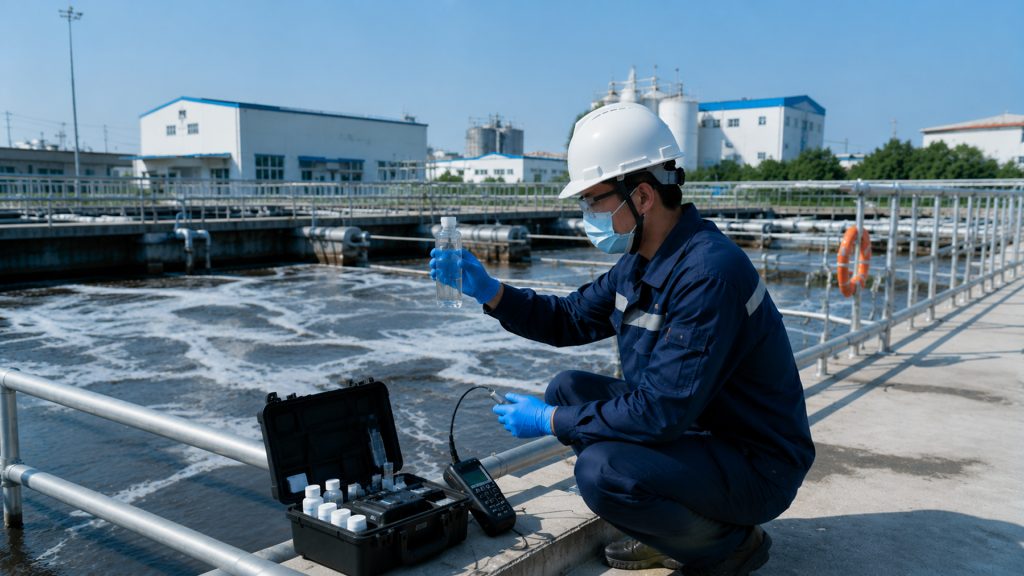
Stable operation depends on effective process control, equipment maintenance, and continuous monitoring of key operating parameters. A sewage treatment plant should maintain appropriate biological activity, hydraulic conditions, sludge management, and water quality monitoring to achieve consistent treatment results. Regular inspections and preventive maintenance reduce operational risks and help ensure compliance with environmental regulations throughout the system lifecycle.

Process Monitoring for Sewage Treatment Plant Stability

Continuous process monitoring is essential for maintaining stable sewage treatment plant performance under changing operating conditions. Operators should regularly monitor parameters such as flow rate, dissolved oxygen, pH, sludge concentration, and effluent quality to detect abnormalities before they affect system performance. Real-time monitoring helps optimize treatment efficiency, reduce energy consumption, and support timely operational adjustments. A well-monitored sewage treatment plant is better equipped to maintain reliable wastewater treatment and meet discharge standards consistently.

Key Operating Parameters for Sewage Treatment Plant Monitoring

A sewage treatment plant should continuously monitor key operating parameters to maintain efficient and stable performance. Important indicators include influent and effluent flow rates, dissolved oxygen (DO), pH, mixed liquor suspended solids (MLSS), sludge retention time (SRT), and chemical oxygen demand (COD). Tracking these parameters helps operators identify process changes, optimize biological treatment, and prevent equipment overload. Accurate monitoring supports long-term sewage treatment plant reliability and consistent wastewater treatment results.

Preventive Maintenance for Sewage Treatment Plant Reliability

Preventive maintenance is a critical practice for ensuring the long-term reliability of a sewage treatment plant. Routine inspections, equipment cleaning, lubrication, calibration, and timely replacement of worn components help prevent unexpected failures and reduce downtime. Maintaining pumps, blowers, valves, and monitoring instruments in good condition improves overall treatment efficiency and extends equipment service life. A well-maintained sewage treatment plant operates more safely, lowers maintenance costs, and provides dependable wastewater treatment performance.

Sewage Treatment Plant Equipment Inspection Requirements

The inspection frequency for sewage treatment plant equipment depends on operating conditions, equipment type, and manufacturer recommendations. Critical equipment such as pumps, blowers, aeration systems, and control instruments should be checked regularly to identify wear, leaks, or abnormal operation. Scheduled inspections and maintenance records help prevent unexpected breakdowns, improve equipment reliability, and maintain consistent treatment performance. A structured inspection plan supports the long-term stability of the sewage treatment plant.

Sludge Management for Sewage Treatment Plant Stability

Effective sludge management is essential for maintaining biological treatment efficiency in a sewage treatment plant. Proper control of sludge concentration, sludge age, and sludge removal helps sustain microbial activity and prevents treatment performance from declining. Efficient sludge handling also reduces odor, minimizes disposal costs, and improves overall process stability. By integrating appropriate sludge management practices, a sewage treatment plant can achieve consistent effluent quality, reliable operation, and long-term compliance with environmental regulations.

What Industries Commonly Use a Sewage Treatment Plant?
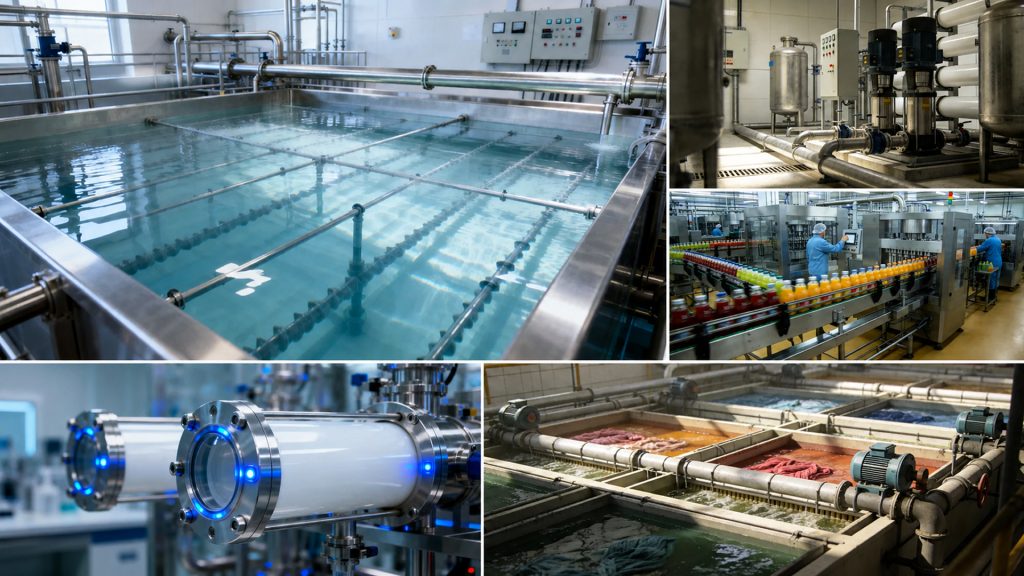
A sewage treatment plant is widely used in municipal wastewater treatment, manufacturing facilities, food and beverage production, pharmaceutical plants, textile processing, and commercial developments. Different industries generate wastewater with unique characteristics, requiring customized treatment processes and equipment configurations. Selecting the appropriate sewage treatment plant helps organizations meet discharge regulations, improve water reuse opportunities, and support sustainable environmental management.

Municipal Wastewater Treatment Applications of a Sewage Treatment Plant

Municipal wastewater contains domestic sewage, organic matter, suspended solids, nutrients, and microorganisms that require effective treatment before discharge or reuse. A sewage treatment plant helps municipalities meet environmental regulations by removing pollutants through physical, biological, and chemical treatment processes. Proper system design ensures stable treatment performance despite seasonal flow variations and changing wastewater characteristics. A reliable sewage treatment plant also supports water conservation and improves the sustainability of urban wastewater management.

Water Reuse Applications in Municipal Sewage Treatment Plants

Many municipalities use a sewage treatment plant to produce treated water suitable for landscape irrigation, industrial cooling, road cleaning, and other non-potable applications. By incorporating advanced treatment and disinfection processes, the system improves effluent quality and reduces dependence on freshwater resources. Water reuse also lowers environmental impacts and supports sustainable urban development. A properly designed sewage treatment plant helps cities maximize water resource utilization while complying with local reuse standards.

Industrial Wastewater Treatment Requirements for Sewage Treatment Plants

Industrial wastewater often contains higher concentrations of organic pollutants, chemicals, oils, heavy metals, or suspended solids than municipal sewage. A sewage treatment plant designed for industrial applications must be customized according to wastewater characteristics and production processes. Appropriate pretreatment, biological treatment, and sludge management improve pollutant removal efficiency and ensure compliance with discharge regulations. Selecting the right sewage treatment plant helps manufacturers reduce environmental risks and maintain stable production operations.

Which Industries Require Customized Sewage Treatment Plant Solutions?

Many industries require customized sewage treatment plant solutions because wastewater composition varies significantly between applications. Food and beverage processing, textile manufacturing, pharmaceutical production, chemical plants, and electronics manufacturing each generate wastewater with unique treatment requirements. Tailored system design allows the sewage treatment plant to achieve reliable pollutant removal, improve operational efficiency, and meet industry-specific discharge standards while supporting future production expansion.

Commercial and Institutional Applications of Customized Sewage Treatment Plants

Commercial buildings, hospitals, hotels, schools, and residential developments often require compact and efficient sewage treatment plant solutions where municipal sewer access is limited or water reuse is desired. Customized systems can be designed to fit available installation space while providing stable treatment performance and simple operation. A well-planned sewage treatment plant helps reduce environmental impact, lower water consumption through reuse, and provide long-term wastewater management for a wide range of commercial applications.

Why Choose a Professional Sewage Treatment Plant Manufacturer?
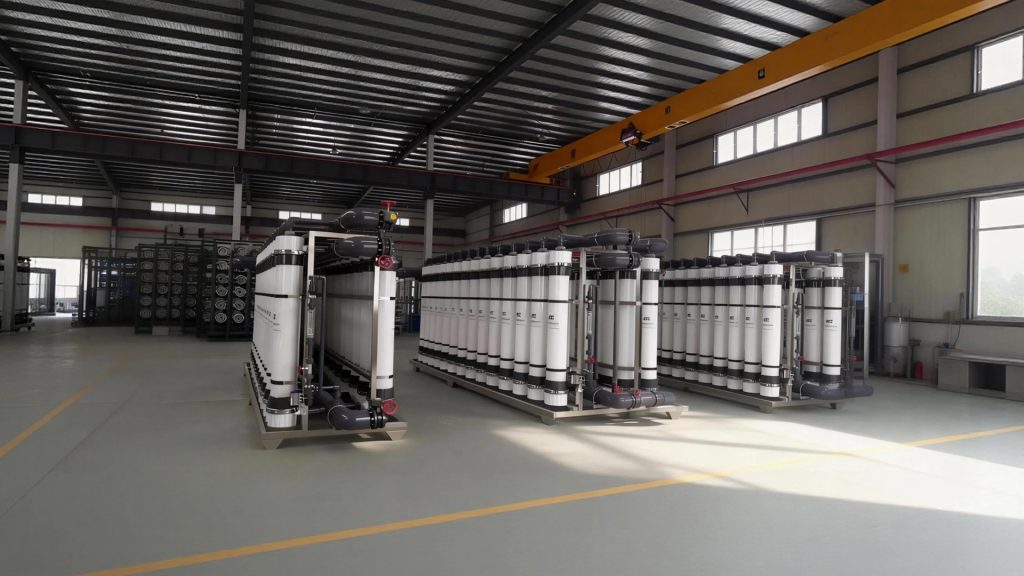
Working with an experienced sewage treatment plant manufacturer helps ensure proper process selection, equipment integration, and long-term technical support. Professional manufacturers evaluate wastewater characteristics, recommend suitable treatment technologies, and provide customized solutions for different industries. A well-designed sewage treatment plant improves treatment efficiency, reduces operating costs, and supports reliable environmental compliance throughout the project’s operational life.

Services Provided by a Professional Sewage Treatment Plant Manufacturer

A professional sewage treatment plant manufacturer should offer comprehensive services throughout the project lifecycle, from wastewater analysis and process design to equipment manufacturing, installation support, and after-sales service. Technical consultation and system customization help ensure that each sewage treatment plant is designed to meet specific treatment objectives and site conditions. Manufacturers with strong engineering capabilities can also provide commissioning, operator training, and long-term maintenance support to improve system reliability and operational efficiency.

Technical Support for Long-Term Sewage Treatment Plant Operation

Reliable technical support helps ensure that a sewage treatment plant continues to operate efficiently after installation. Professional manufacturers can provide troubleshooting, process optimization, equipment inspections, and maintenance recommendations based on actual operating conditions. Timely technical assistance reduces downtime, improves treatment stability, and extends equipment service life. Ongoing support also enables operators to adapt the sewage treatment plant to changing wastewater characteristics and evolving environmental regulations.

Customized Sewage Treatment Plant Solutions for Improved Project Performance

Every wastewater treatment project has unique requirements, making customization an important advantage when selecting a sewage treatment plant manufacturer. By evaluating influent quality, treatment capacity, discharge standards, and site limitations, manufacturers can recommend suitable treatment processes and equipment configurations. A customized sewage treatment plant improves treatment efficiency, reduces operating costs, and provides greater flexibility for future expansion while ensuring long-term operational stability.

Key Evaluation Factors for Selecting a Sewage Treatment Plant Manufacturer

Before selecting a sewage treatment plant manufacturer, buyers should evaluate engineering experience, manufacturing capabilities, quality control systems, project references, and technical support services. It is also important to confirm whether the manufacturer can provide customized process design and comply with applicable environmental standards. Choosing an experienced partner helps reduce project risks and ensures the sewage treatment plant delivers reliable performance throughout its operational lifecycle.

Long-Term Reliability of an Experienced Sewage Treatment Plant Manufacturer

An experienced sewage treatment plant manufacturer combines engineering expertise, quality equipment, and professional project management to deliver reliable wastewater treatment solutions. Careful equipment selection, strict manufacturing standards, and comprehensive quality testing help improve system durability and operating efficiency. In addition, ongoing technical support and preventive maintenance services enable the sewage treatment plant to maintain stable performance, reduce lifecycle costs, and adapt to future operational requirements.
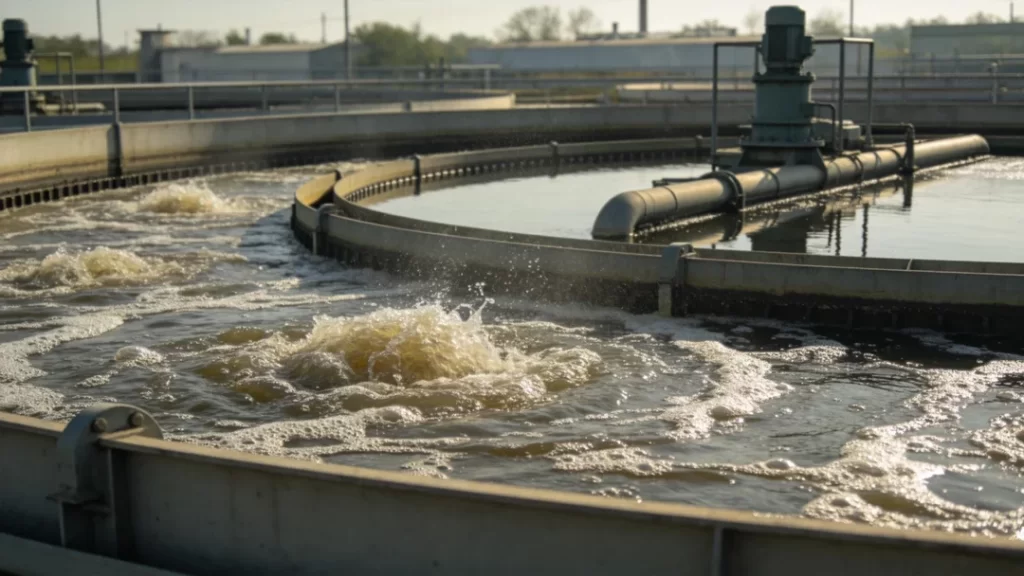
O conhecimento sobre estações de tratamento de esgoto (STP) pode apoiar a seleção do sistema

O conhecimento sobre estações de tratamento de esgoto (STP) pode apoiar a seleção do sistema

O conhecimento de estações STP apoia a seleção precisa do sistema ao esclarecer os objetivos de tratamento, as características do afluente, as normas de descarga e as restrições do local, permitindo que engenheiros e decisores comparem processos biológicos, configurações de equipamentos e escalas de capacidade para escolher soluções que equilibrem desempenho, custo e estabilidade operacional a longo prazo.

Análise de requisitos de afluente e efluente

Compreender a composição do afluente, a variação do fluxo e os padrões de efluente exigidos é a base da seleção do sistema STP, uma vez que diferentes fontes de águas residuais, como esgotos municipais, descargas industriais ou afluentes mistos, exigem processos biológicos distintos, tempos de retenção hidráulica e estratégias de tratamento de lamas; ao analisar parâmetros incluindo CQO, CBO, SS, azoto e objetivos de remoção de fósforo, os engenheiros podem determinar se sistemas convencionais de lamas ativadas, MBR, SBR ou estações compactas integradas atendem melhor aos objetivos de conformidade e reutilização, mantendo um desempenho estável sob flutuações sazonais e de carga.

Estratégia de correspondência de processos e configuração

A seleção da configuração ideal da STP requer o alinhamento dos processos de tratamento com as condições do local, os limites de área, as necessidades de automação e as expectativas de custo de ciclo de vida, uma vez que projetos urbanos compactos podem favorecer sistemas integrados ou de membranas, enquanto as grandes instalações municipais adotam trens biológicos modulares; avaliar os métodos de arejamento, os layouts dos tanques, as rotas de manuseio de lamas e a redundância de equipamentos garante que o sistema escolhido alcance uma remoção confiável de poluentes, eficiência energética e mantenabilidade, apoiando a operação de longo prazo com desempenho previsível e capacidade de expansão escalável.

CONTACT US FOR EXPERT CONSULTATION