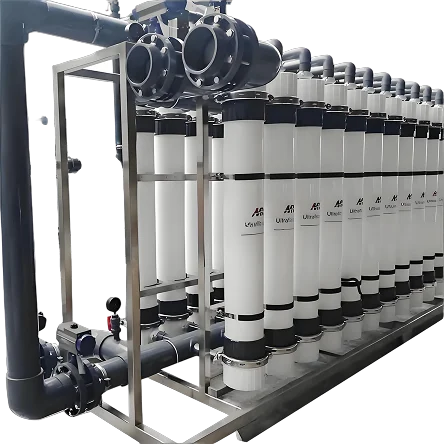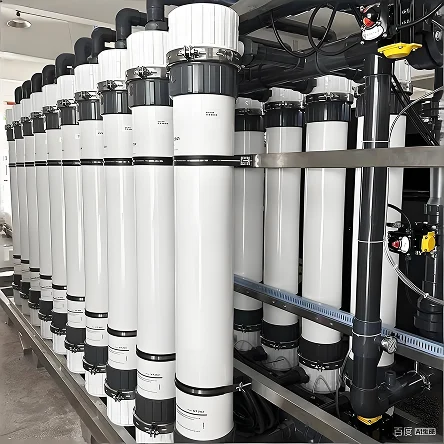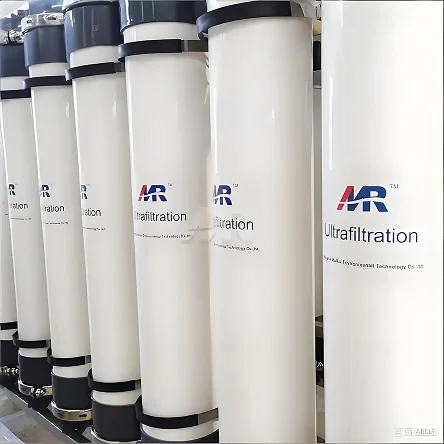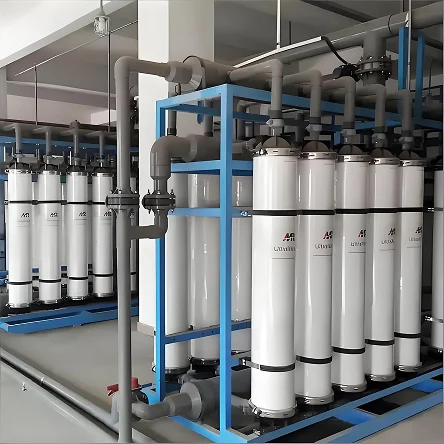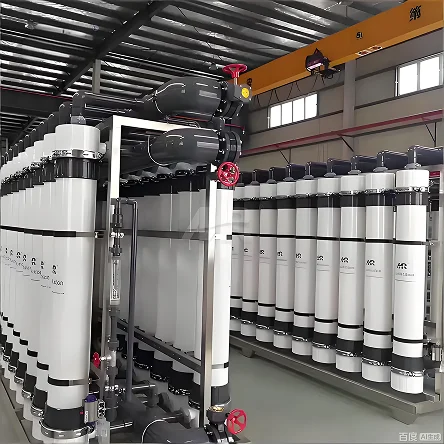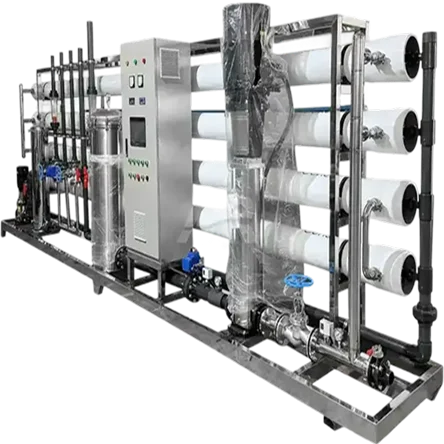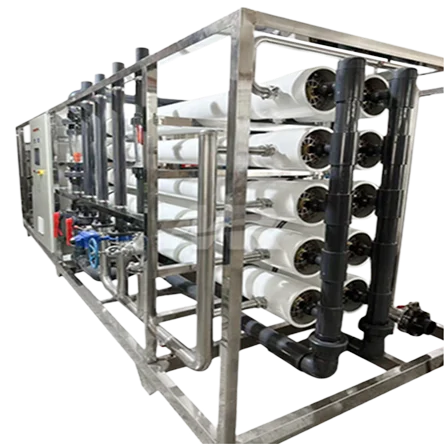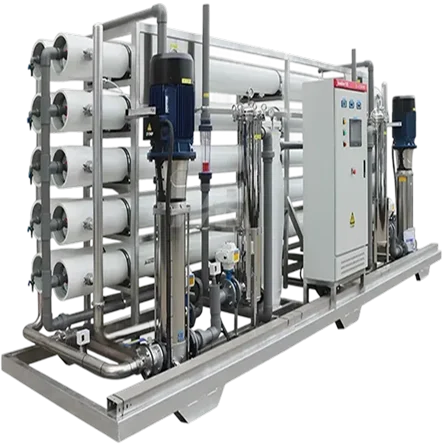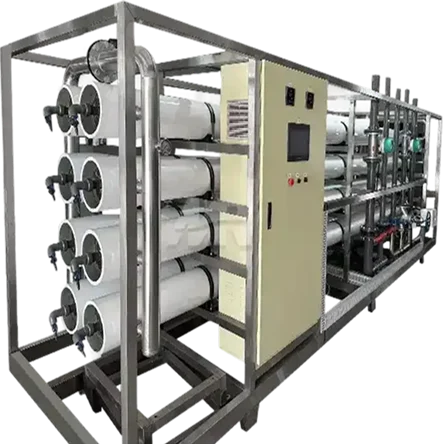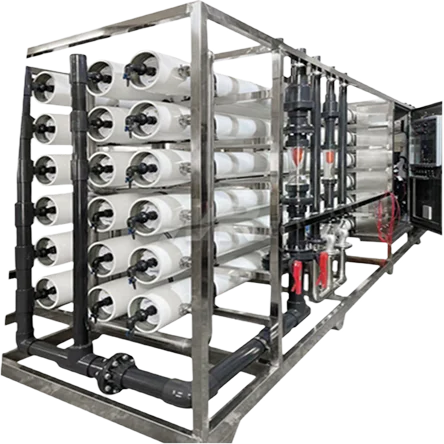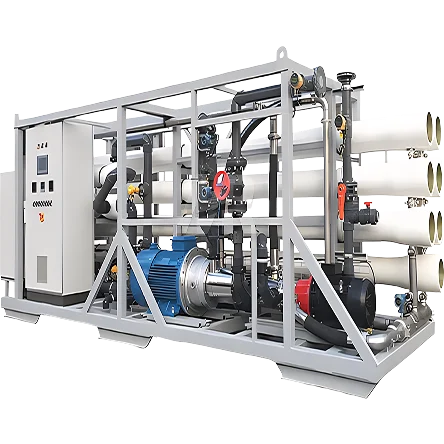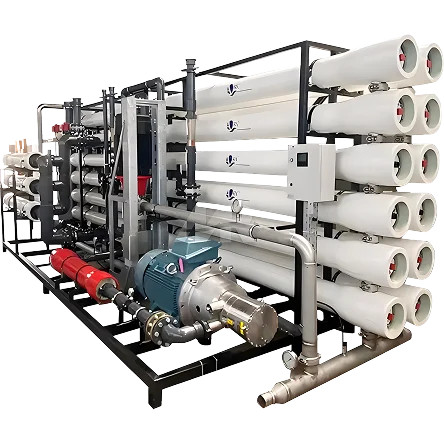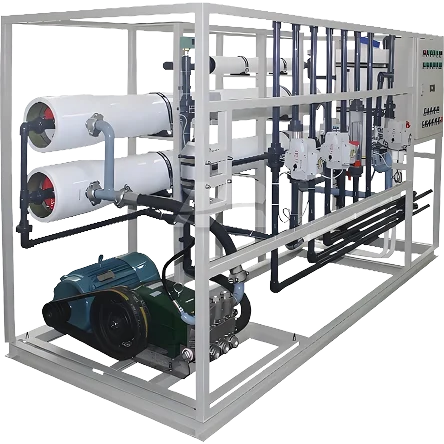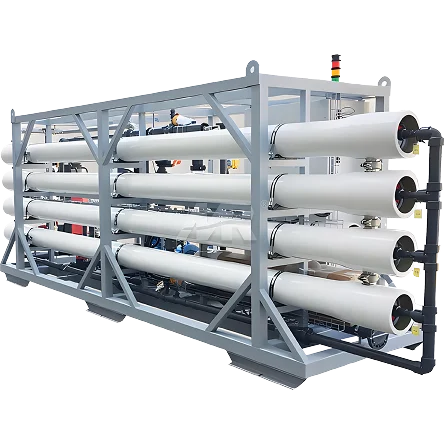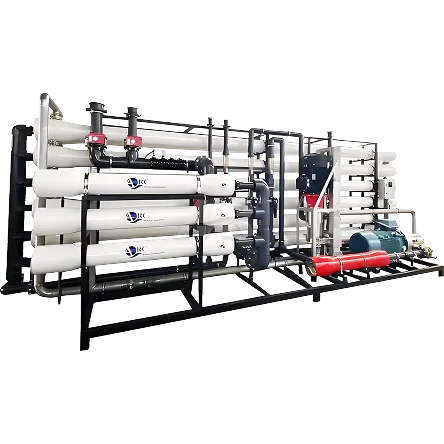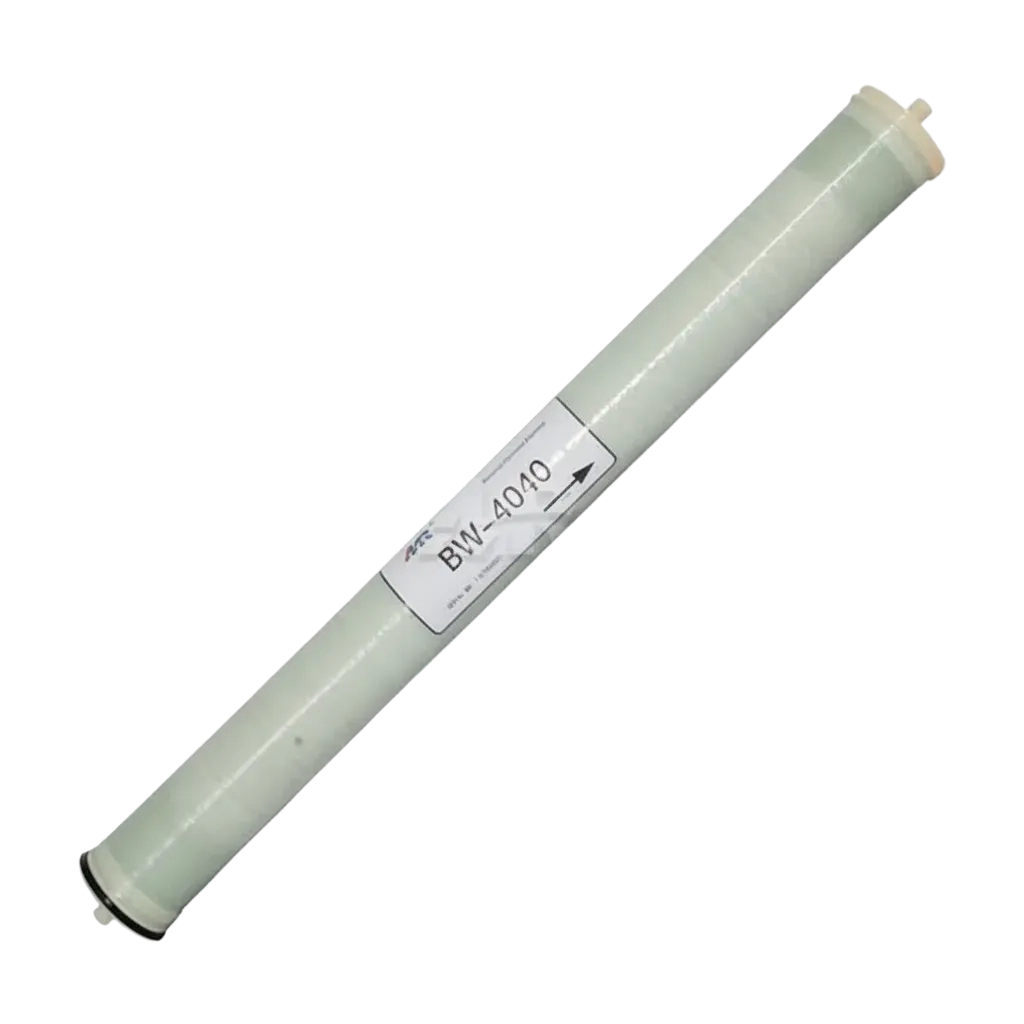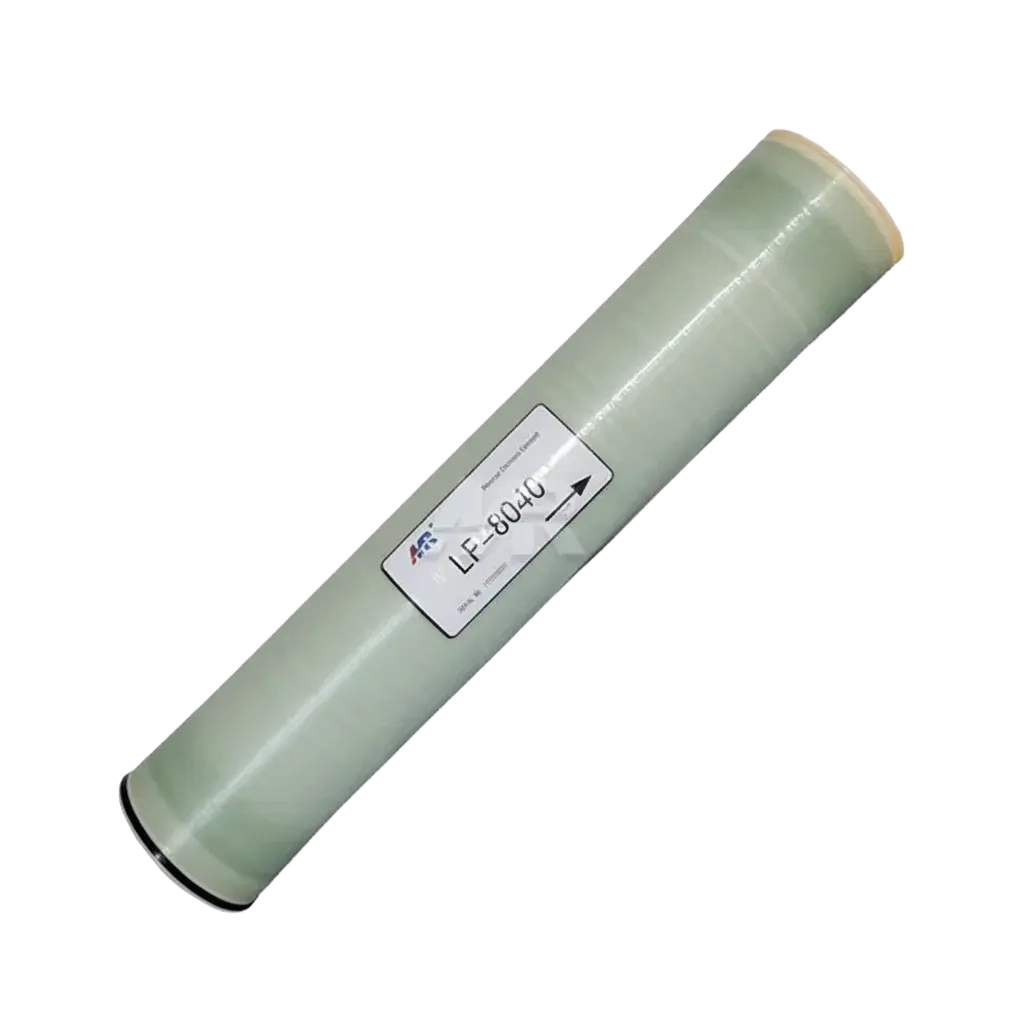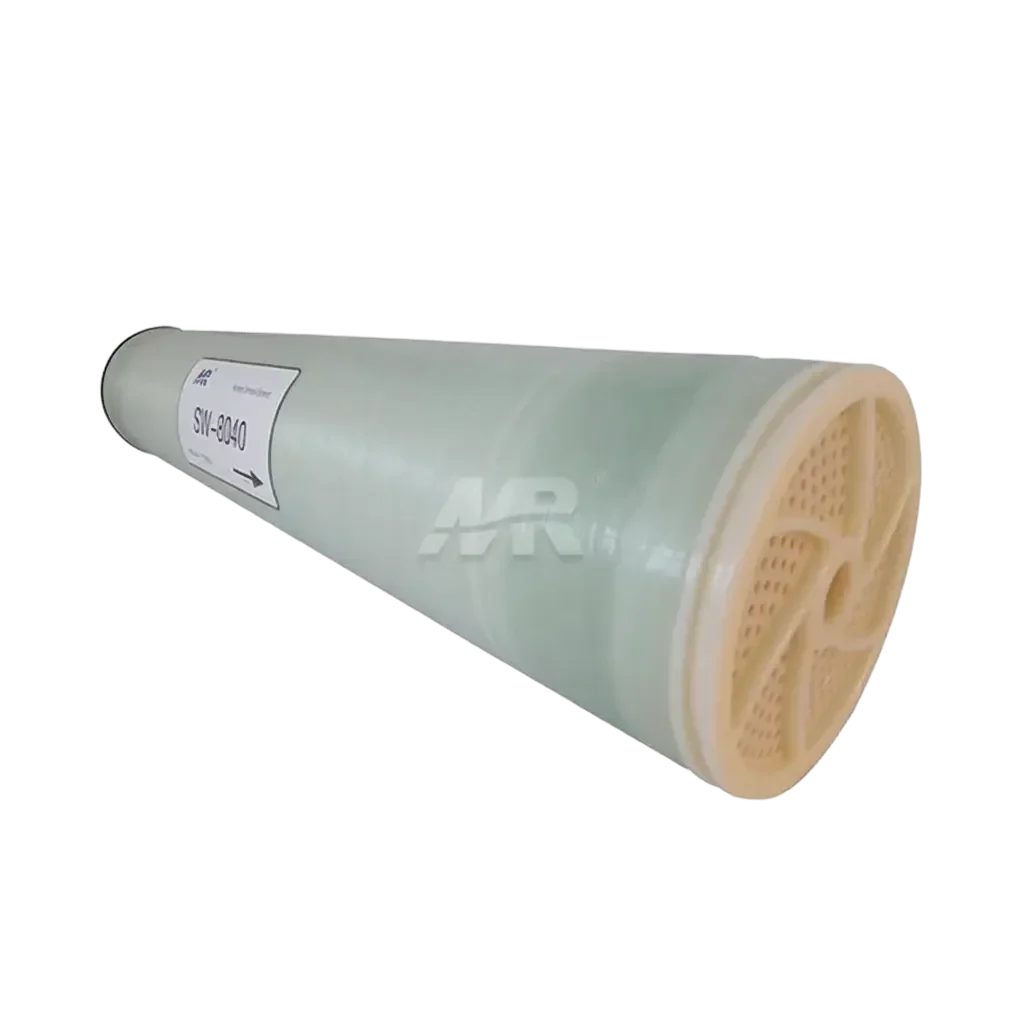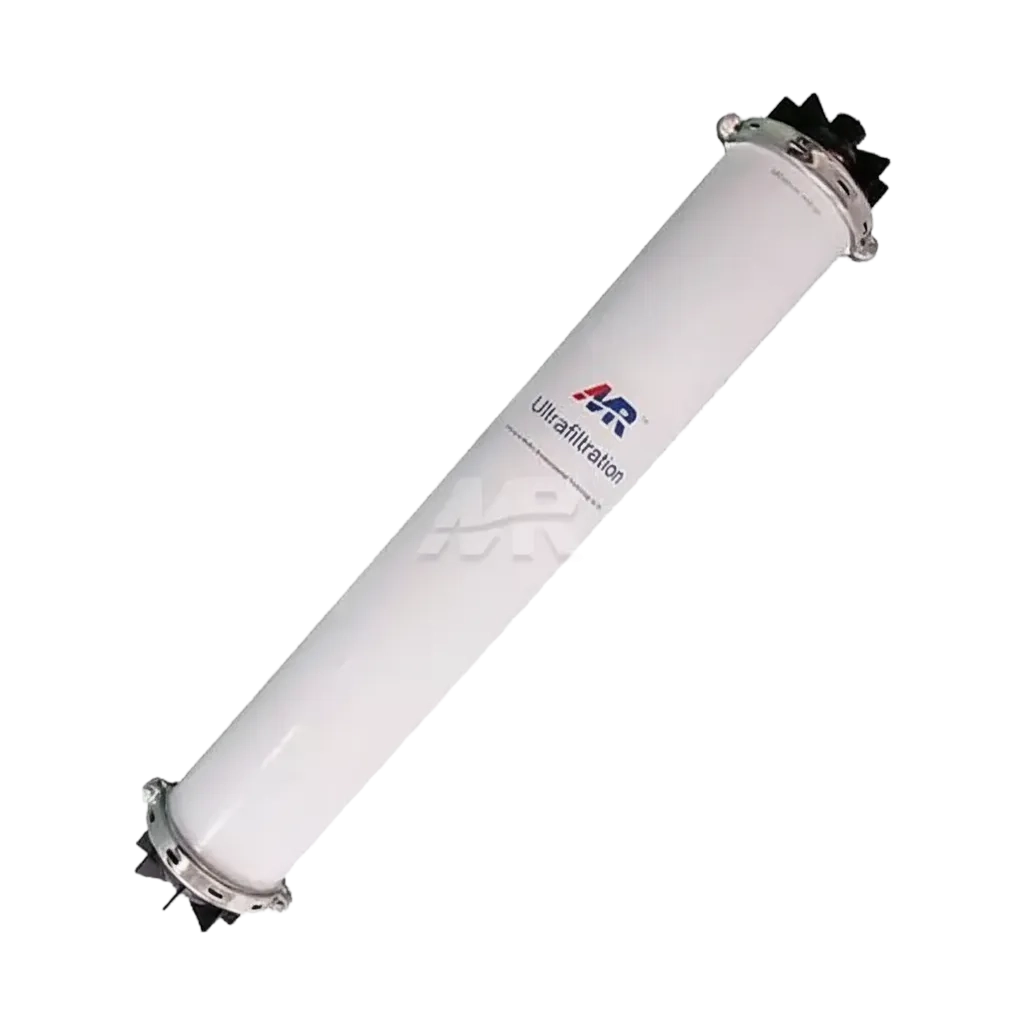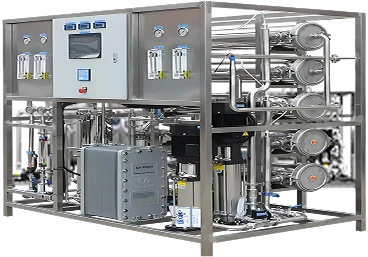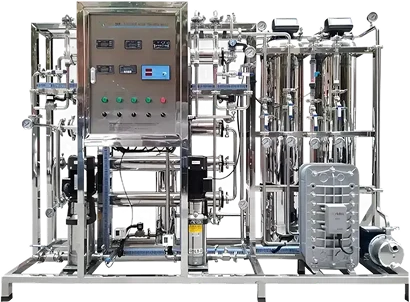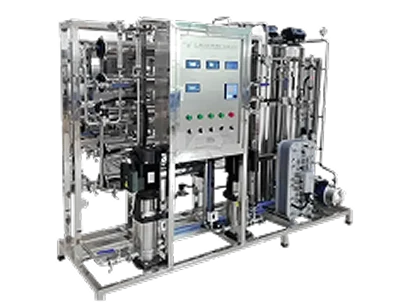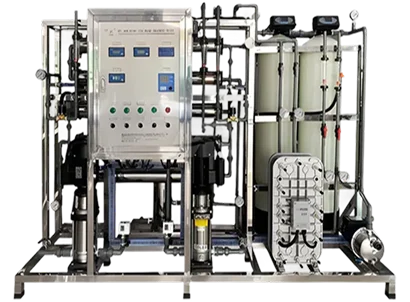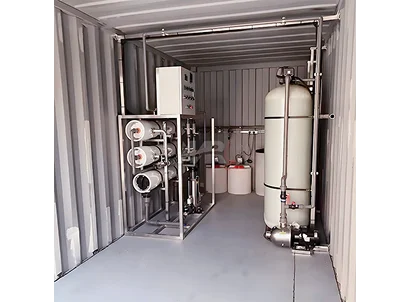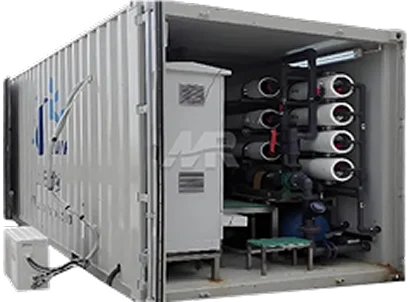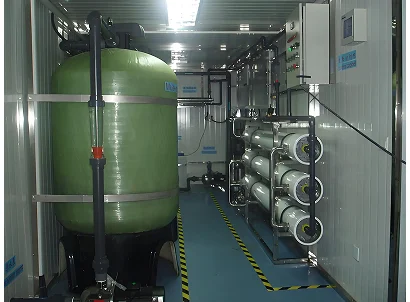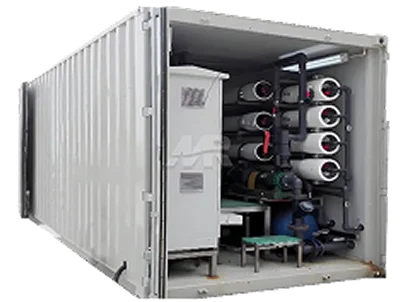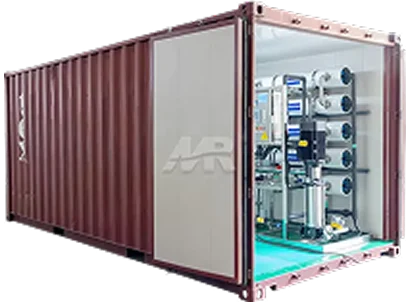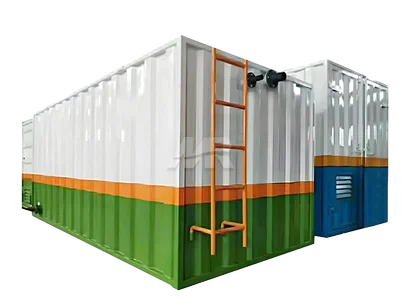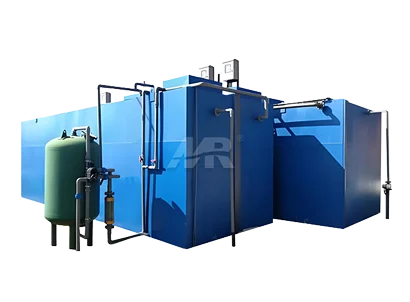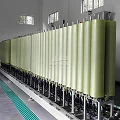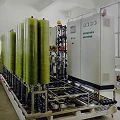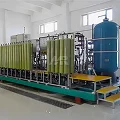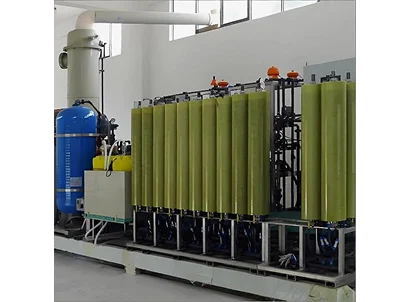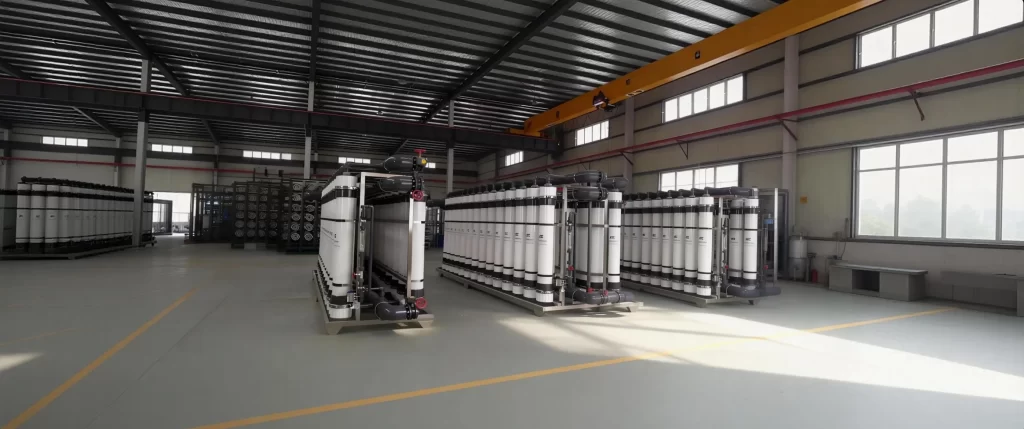





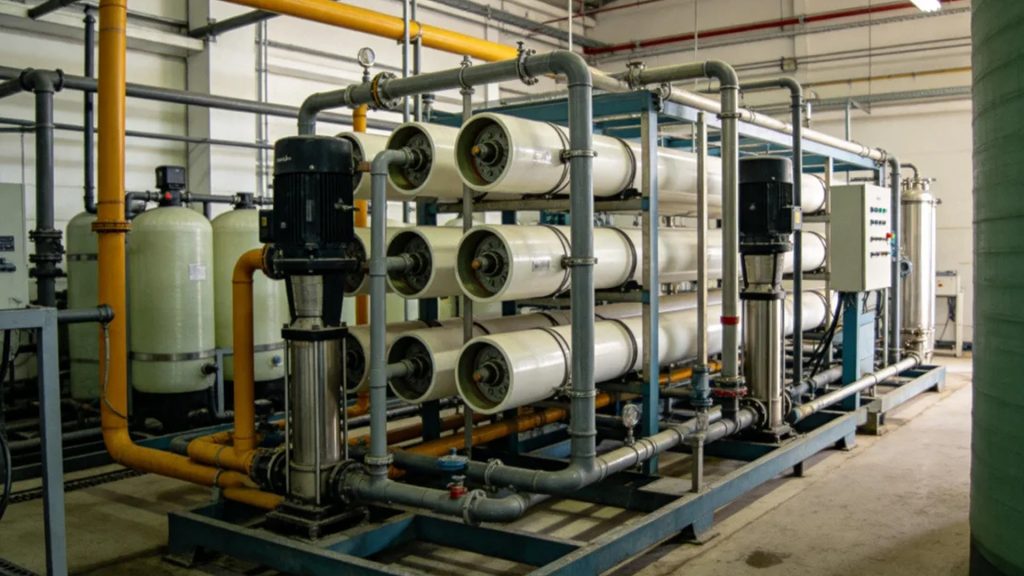
A reverse osmosis drinking system is a water purification solution designed to remove dissolved salts, impurities, and contaminants through reverse osmosis membrane technology. Combining pretreatment units, RO membranes, high-pressure pumps, and control systems, it delivers reliable purified water for residential, commercial, and industrial applications. Understanding the principles, components, performance factors, and maintenance requirements of a reverse osmosis drinking system helps users choose suitable solutions, improve water quality, reduce costs, and achieve long-term reliability.
Understanding the Basics of a Reverse Osmosis Drinking System
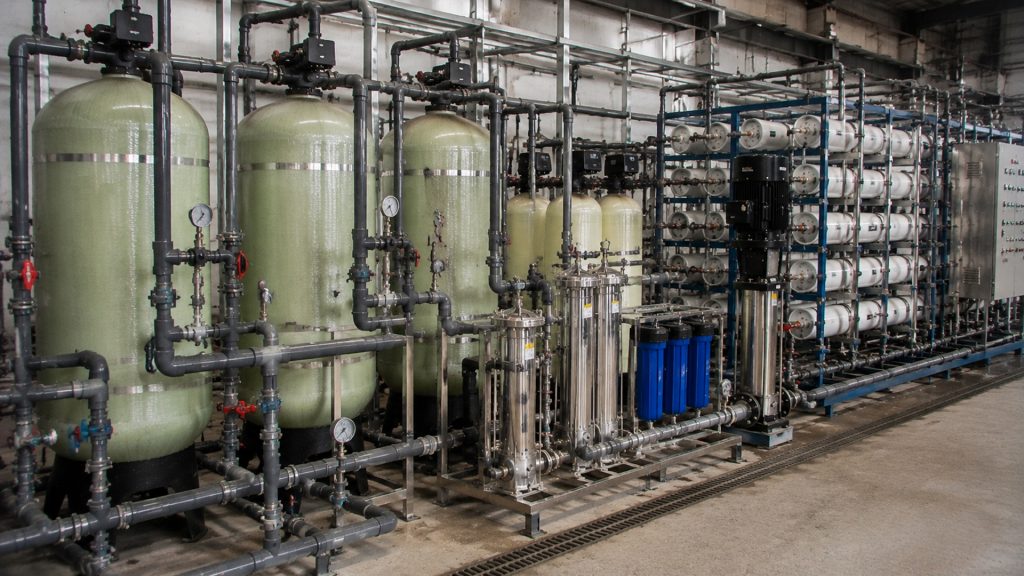
A reverse osmosis drinking system uses membrane separation technology to remove dissolved salts, impurities, and contaminants from water. By applying pressure, water passes through the RO membrane while unwanted substances are rejected. A complete system usually includes pretreatment units, membranes, pumps, and control devices. Understanding these components helps users evaluate system reliability and maintenance needs. Proper design and equipment selection are essential for maintaining stable water quality and long-term operating performance.
Key Components of a Reverse Osmosis Drinking System
| Component | Main Function | Contribution to Long-Term Performance |
|---|---|---|
| Pretreatment Unit | Removes suspended solids, chlorine, and hardness before membrane filtration | Reduces fouling risk and protects RO membranes |
| Membrana de osmose inversa | Separates dissolved salts and contaminants from water | Ensures stable purification efficiency and water quality |
| High-Pressure Pump | Provides required pressure for membrane filtration | Maintains consistent water flow and system efficiency |
| Sistema de controle | Monitors pressure, flow, and water quality parameters | Improves operation stability and reduces maintenance risks |
How a Reverse Osmosis Drinking System Works
A reverse osmosis drinking system uses pressure-driven membrane technology to separate purified water from dissolved salts, impurities, and contaminants. During operation, feed water passes through the RO membrane, where water molecules can flow through while unwanted substances are rejected. This filtration process helps produce consistent purified water quality for different applications. Understanding the working principle of an RO system allows users to evaluate equipment performance, efficiency, and long-term reliability.
The Role of RO Membranes in Water Purification
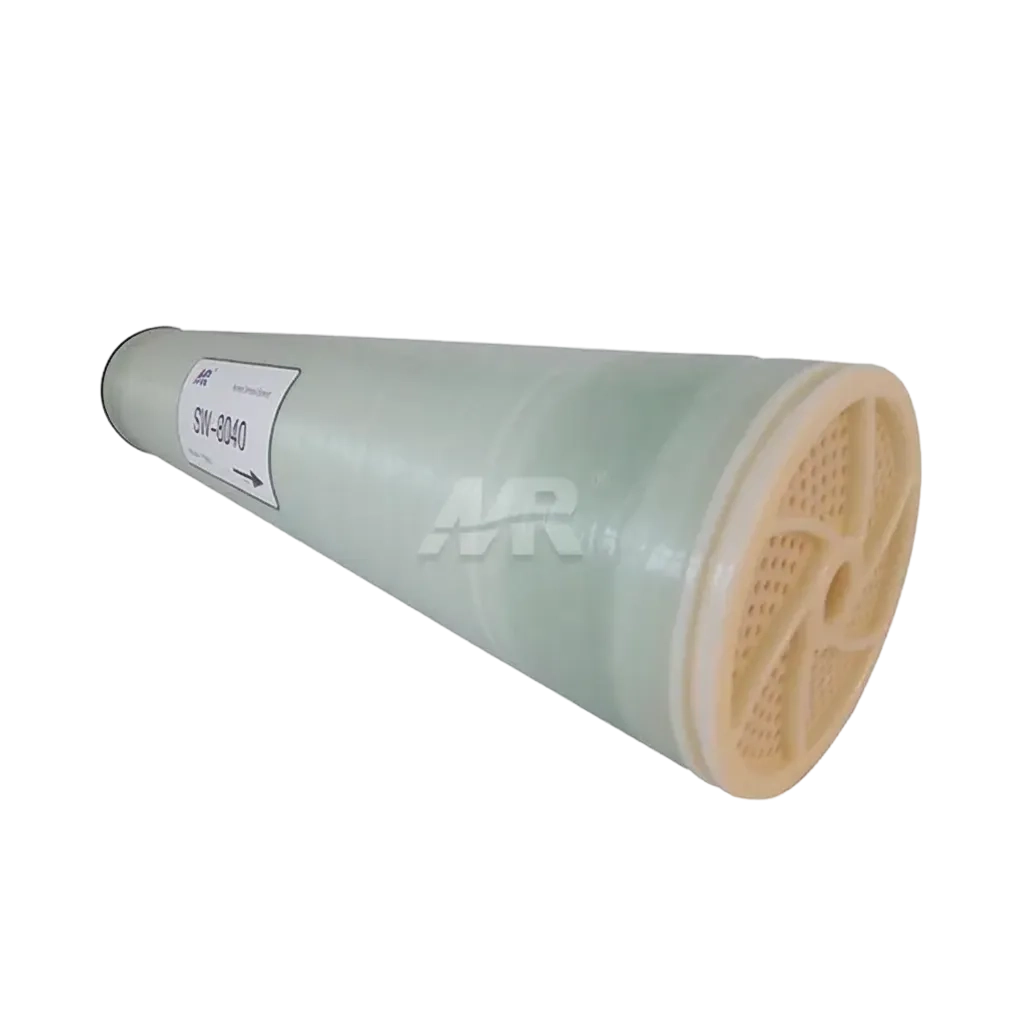
The RO membrane is the core filtration component of a reverse osmosis drinking system. Its semi-permeable structure allows water molecules to pass through while blocking dissolved solids, microorganisms, and other contaminants. Membrane performance directly affects water quality, recovery rate, and system efficiency. Selecting suitable membrane materials and operating conditions helps maintain stable filtration performance and extend equipment lifespan.
Key Components Supporting RO System Operation
A complete reverse osmosis drinking system includes multiple components, such as pretreatment units, high-pressure pumps, membrane modules, and control systems. Pretreatment protects membranes from fouling, pumps provide the required operating pressure, and control devices monitor system conditions. The cooperation of these components ensures reliable operation, reduces maintenance requirements, and supports long-term performance in water treatment applications.
Factors Affecting Long-Term RO Drinking System Performance
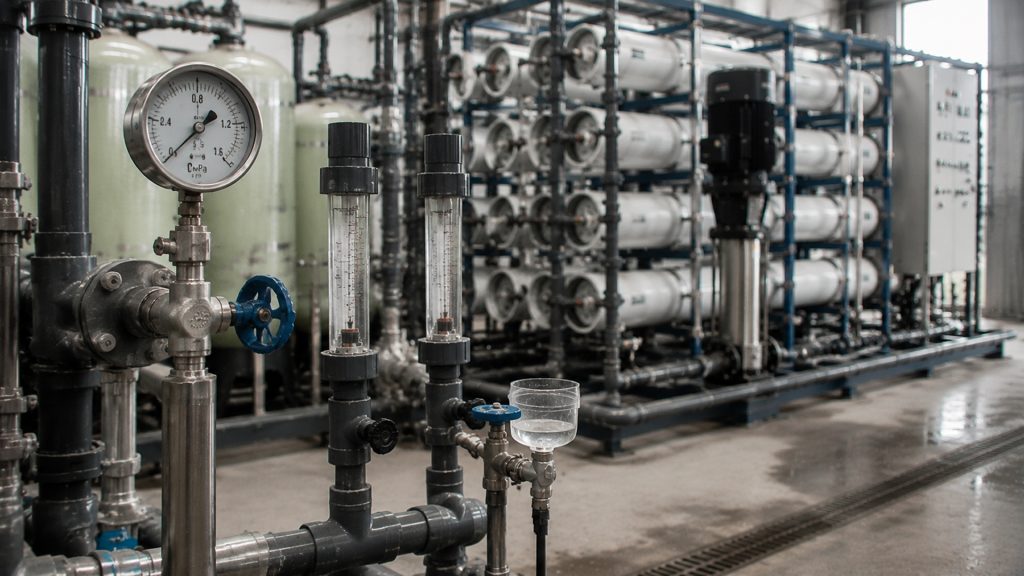
The performance of a reverse osmosis drinking system depends on feed water quality, system design, operating conditions, and maintenance practices. High turbidity, hardness, or organic content can accelerate membrane fouling and reduce efficiency. Proper system configuration based on water conditions helps prevent operational problems. Selecting reliable components and optimizing pressure, recovery rate, and filtration processes can improve stability, reduce downtime, and extend the service life of the RO system.
Factors Affecting Long-Term RO Drinking System Performance
| Factor | Potential Problem | Recommended Solution |
|---|---|---|
| High Turbidity | Causes membrane fouling and pressure increase | Install effective sediment filtration |
| High Hardness | Leads to scaling on membrane surfaces | Use softening treatment or antiscalant dosing |
| Organic Contaminants | Reduces membrane efficiency | Apply activated carbon filtration |
| Improper Operating Pressure | Increases energy consumption and membrane stress | Optimize system operating parameters |
| Poor Maintenance | Causes performance decline and unexpected downtime | Follow regular inspection and cleaning schedules |
How Feed Water Quality Influences RO System Performance
The quality of feed water is one of the most important factors affecting the stability of a reverse osmosis drinking system. Different water sources may contain varying levels of suspended solids, hardness, organic matter, and dissolved minerals. These substances can influence membrane performance and increase the risk of fouling or scaling. Evaluating feed water characteristics before system installation helps determine suitable pretreatment solutions and operating conditions, ensuring more reliable long-term operation.
The Impact of Turbidity and Suspended Solids on RO Membranes
High turbidity and suspended particles can accumulate on the surface of RO membranes, causing increased pressure loss and reduced water production. Proper filtration before the membrane stage helps remove these particles and protects the reverse osmosis drinking system from performance decline. Effective pretreatment reduces cleaning frequency and helps maintain stable filtration efficiency over long operating periods.
Managing Hardness and Organic Contaminants
Hardness minerals and organic substances can contribute to scaling and biological fouling in RO systems. If these contaminants are not properly controlled, membrane efficiency may decrease and maintenance requirements may increase. Using appropriate pretreatment methods, such as softening or activated carbon filtration, helps improve membrane protection and supports consistent performance of the RO drinking system.
The Role of System Design and Maintenance in Long-Term Operation
A well-designed reverse osmosis drinking system should match specific water conditions, capacity requirements, and operational goals. System configuration, component selection, pressure control, and recovery rate optimization all influence efficiency and service life. In addition, regular maintenance and monitoring ensure that potential problems are identified early. Proper design combined with effective maintenance strategies helps reduce downtime and improve overall system reliability.
Optimizing Operating Parameters for Better Efficiency
Operating parameters such as pressure, flow rate, and recovery rate directly affect RO system performance. Excessive pressure may increase energy consumption, while unsuitable recovery rates can accelerate scaling risks. By optimizing these conditions, a reverse osmosis drinking system can achieve better efficiency, lower operating costs, and more stable purified water output.
The Importance of Regular Maintenance and Component Selection
Reliable components and proper maintenance practices are essential for extending the lifespan of an RO system. High-quality membranes, pumps, and control devices improve system durability, while regular inspections help prevent unexpected failures. A comprehensive maintenance strategy ensures the reverse osmosis drinking system continues delivering stable performance throughout its service life.
How Pretreatment Protects a Reverse Osmosis Drinking System
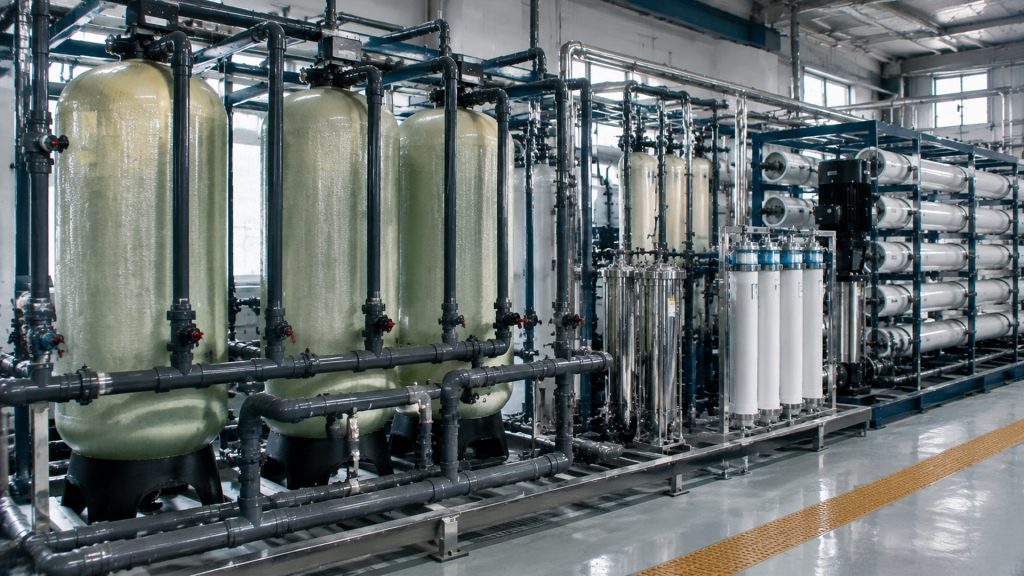
Pretreatment is essential for protecting the RO membrane and improving system durability. Processes such as sediment filtration, activated carbon filtration, and softening remove particles, chlorine, and hardness before water enters the membrane stage. Effective pretreatment reduces fouling and scaling risks, allowing the reverse osmosis drinking system to operate more efficiently. A suitable pretreatment design helps maintain stable water production and extends membrane service life.
The Role of Pretreatment in Protecting RO Membrane Performance
Pretreatment is a critical stage in a reverse osmosis drinking system because it prepares feed water before entering the RO membrane unit. By removing suspended solids, chlorine, hardness, and other contaminants, pretreatment reduces the risk of membrane damage and improves filtration stability. A properly designed pretreatment process helps maintain consistent water flow, reduce cleaning frequency, and support long-term system performance. Selecting suitable pretreatment methods based on raw water conditions is essential for achieving reliable purification results and extending the overall service life of the RO system.
Removing Suspended Solids Through Sediment Filtration
Sediment filtration is an important pretreatment process used to protect the membrane components of a reverse osmosis drinking system. Suspended particles, sand, and impurities in feed water can accumulate on the membrane surface, increasing pressure loss and reducing filtration efficiency. By removing these particles before the RO stage, sediment filters help maintain stable operating conditions and prevent premature membrane fouling. Effective particle removal improves water quality consistency and supports reliable long-term operation of the entire water treatment system.
Reducing Chlorine Damage with Activated Carbon Filtration
Activated carbon filtration helps protect RO membranes by removing chlorine and organic substances from feed water. Chlorine exposure can damage membrane materials and gradually reduce rejection performance, affecting the efficiency of a reverse osmosis drinking system. Through effective chlorine removal, activated carbon filters improve membrane durability and reduce the risk of performance decline. This pretreatment step is especially important for systems requiring continuous operation, as it helps maintain stable purification results and extend membrane replacement intervals.
How Pretreatment Reduces Fouling and Improves RO System Lifespan
Effective pretreatment directly influences the reliability and operating cost of a reverse osmosis drinking system. By controlling contaminants before they reach the membrane stage, pretreatment reduces scaling, fouling, and unnecessary maintenance requirements. Different water sources require different treatment solutions based on hardness, turbidity, and organic content. A properly configured pretreatment system allows RO equipment to operate under suitable conditions, improving efficiency and extending component lifespan. This approach helps users achieve stable water production and better long-term performance.
Preventing Membrane Scaling Through Water Softening
Water hardness is one of the major causes of scaling problems in RO systems. Minerals such as calcium and magnesium can accumulate on membrane surfaces, reducing water flow and increasing operating pressure. Softening treatment removes hardness ions before water enters the reverse osmosis drinking system, helping prevent scale formation and maintain membrane efficiency. Proper hardness control improves system stability, reduces cleaning frequency, and supports longer membrane service life in different water treatment applications.
Customizing Pretreatment Solutions for Different Water Conditions
Different feed water characteristics require customized pretreatment solutions to achieve optimal RO performance. Factors such as turbidity, mineral concentration, and organic content should be evaluated before designing a reverse osmosis drinking system. A suitable pretreatment configuration ensures that membranes receive properly treated water, reducing operational risks and improving filtration efficiency. Customized pretreatment design helps manufacturers provide more reliable water treatment solutions with stable output, lower maintenance requirements, and improved long-term system performance.
Maintaining RO Membranes for Long-Term Water Quality
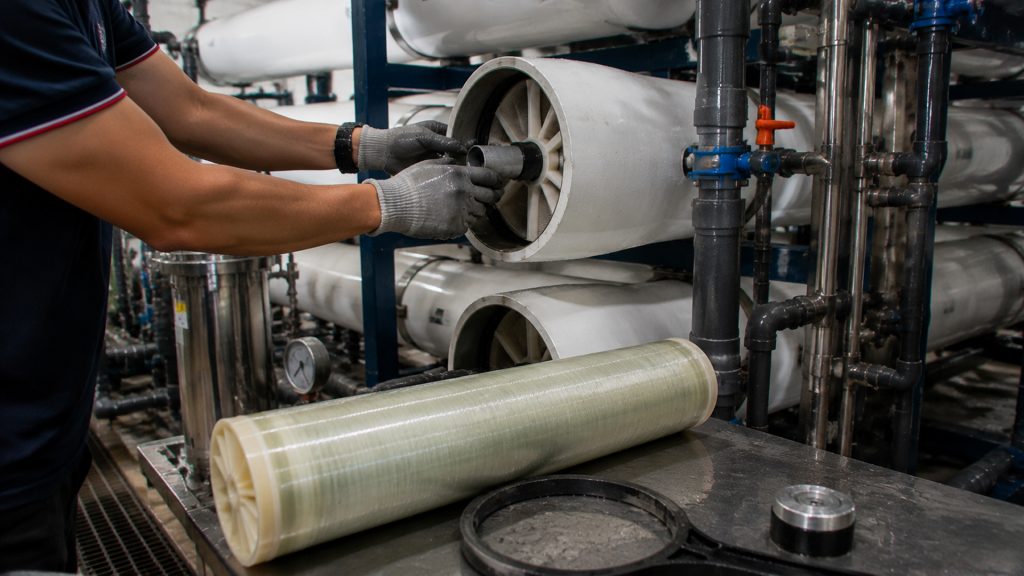
The RO membrane is the key component affecting filtration efficiency and water quality. During operation, contaminants may accumulate on the membrane surface, causing reduced flow and increased pressure. Regular monitoring, cleaning, and proper operation conditions help maintain membrane performance. Checking parameters such as flow rate, pressure, and salt rejection allows operators to identify issues early and extend the lifespan of the reverse osmosis drinking system.
The Importance of RO Membrane Performance in System Operation
The RO membrane is the core filtration component of a reverse osmosis drinking system and directly affects water quality, production capacity, and operating efficiency. During continuous operation, membrane performance may gradually decline due to contaminants, pressure changes, and improper operating conditions. Maintaining stable membrane performance requires regular inspection, proper cleaning procedures, and suitable operating parameters. Effective membrane management helps reduce downtime, improve filtration efficiency, and ensure the RO system continues delivering consistent purified water quality throughout its service life.
Understanding Membrane Fouling and Its Impact on Efficiency
Membrane fouling is one of the main challenges affecting the long-term operation of a reverse osmosis drinking system. Suspended solids, organic matter, microorganisms, and mineral deposits may accumulate on the membrane surface, causing reduced water flow and increased operating pressure. If fouling is not controlled, system efficiency may decrease and maintenance costs may rise. Understanding fouling causes allows operators to take preventive actions and maintain stable membrane performance.
Selecting Proper Operating Conditions for Membrane Protection
Operating conditions such as pressure, temperature, and recovery rate have a direct impact on RO membrane lifespan. Excessive pressure or unsuitable recovery levels may increase fouling risks and accelerate membrane degradation. For a reverse osmosis drinking system, maintaining recommended operating parameters helps protect membrane structure and improve filtration stability. Proper system adjustment ensures efficient water production while reducing unnecessary energy consumption and maintenance requirements.
Effective Maintenance Strategies for Extending RO Membrane Lifespan
Regular maintenance is essential for extending the service life of RO membranes and maintaining the reliability of a reverse osmosis drinking system. Monitoring key performance indicators, performing scheduled cleaning, and replacing damaged components when necessary can prevent unexpected system failures. A proactive maintenance strategy allows operators to identify performance changes early, reduce operating risks, and maintain consistent purified water output. Proper maintenance practices also help maximize the long-term value of RO equipment.
Monitoring Flow Rate, Pressure, and Salt Rejection Performance
Monitoring operating parameters is an effective way to evaluate the condition of RO membranes. Changes in flow rate, pressure difference, and salt rejection rate can indicate potential fouling or membrane damage. In a reverse osmosis drinking system, regular data analysis helps operators detect problems before they affect water quality or system efficiency. Continuous monitoring supports timely maintenance decisions and improves overall operational reliability.
Key Parameters for Monitoring a Reverse Osmosis Drinking System
| Parâmetro | What It Indicates | Why It Matters |
|---|---|---|
| Pressure | Operating condition of pumps and membranes | Helps detect fouling and system abnormalities |
| Vazão | Capacidade de produção de água | Shows whether system efficiency is declining |
| Conductivity | Purified water quality and salt rejection | Evaluates membrane performance |
| Taxa de recuperação | Water utilization efficiency | Helps optimize energy consumption |
Implementing Regular Cleaning and Membrane Care Procedures
Regular membrane cleaning helps remove accumulated contaminants and restore filtration performance. Cleaning frequency should be determined according to feed water quality, operating conditions, and system performance changes. Proper chemical selection and cleaning procedures prevent membrane damage while improving efficiency. For a reverse osmosis drinking system, effective membrane care extends replacement cycles, reduces operating costs, and supports stable long-term water purification performance.
Improving RO System Reliability Through Monitoring and Control
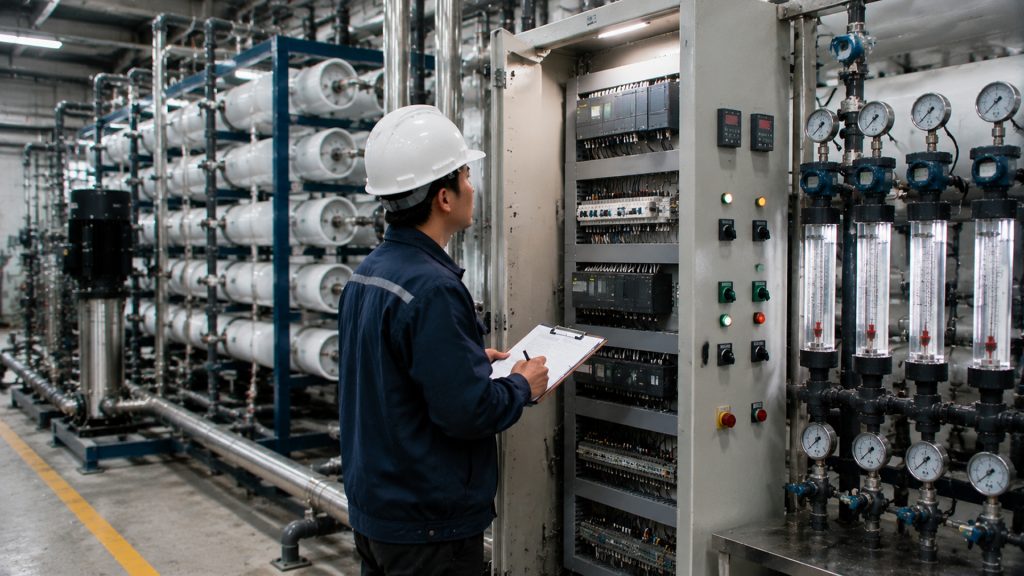
Monitoring and control systems help maintain stable operation of a reverse osmosis drinking system. Important parameters such as pressure, flow, conductivity, and recovery rate can be tracked to detect abnormal conditions. Automated controls improve operational efficiency and reduce maintenance requirements. By combining reliable components with effective monitoring strategies, RO systems can achieve consistent performance, lower operating risks, and longer service life.
The Role of Monitoring Systems in RO Operation Stability
Monitoring systems play an important role in maintaining the stable performance of a reverse osmosis drinking system. By tracking key operating data, operators can evaluate system conditions and identify potential problems before they affect water quality or efficiency. Parameters such as pressure, flow rate, conductivity, and recovery rate provide valuable information about membrane performance and overall system operation. Effective monitoring improves maintenance planning, reduces unexpected downtime, and helps ensure reliable water purification performance throughout long-term operation.
Tracking Pressure and Flow Changes for Early Problem Detection
Pressure and flow rate are essential indicators for evaluating the condition of an RO system. Changes in these parameters may indicate membrane fouling, component wear, or abnormal operating conditions. In a reverse osmosis drinking system, continuous monitoring of pressure and flow helps operators identify performance changes at an early stage. Timely adjustments can prevent efficiency losses, reduce maintenance costs, and maintain stable water production.
Using Conductivity and Recovery Rate Data to Evaluate Performance
Conductivity and recovery rate provide important information about water quality and system efficiency. Conductivity monitoring helps evaluate salt rejection performance, while recovery rate reflects how effectively feed water is converted into purified water. For a reverse osmosis drinking system, analyzing these parameters allows operators to optimize operating conditions, maintain consistent output quality, and improve overall energy efficiency during continuous operation.
How Automatic Control Improves RO System Efficiency
Automatic control technology improves the reliability and convenience of modern reverse osmosis drinking system operation. Advanced control systems can adjust operating conditions based on real-time data, helping maintain stable pressure, flow, and water quality. Automated functions reduce manual intervention, improve response speed, and minimize operational errors. By integrating intelligent controls with reliable components, RO systems can achieve higher efficiency, lower maintenance requirements, and more predictable long-term performance.
Optimizing System Operation Through Intelligent Control
Intelligent control systems allow RO equipment to operate under optimized conditions by continuously analyzing system data. Automated adjustments can help maintain suitable pressure levels, regulate water flow, and improve energy efficiency. In a reverse osmosis drinking system, intelligent control reduces operational risks and supports more stable purification performance. This technology is especially valuable for applications requiring continuous and reliable water production.
Reducing Maintenance Costs Through Real-Time Monitoring
Real-time monitoring helps operators understand system conditions and plan maintenance activities more effectively. Instead of responding to unexpected failures, users can identify early warning signs and take preventive actions. For a reverse osmosis drinking system, this approach reduces downtime, extends component lifespan, and improves overall reliability. Combining monitoring strategies with proper maintenance ensures consistent performance and long-term operational value.
Choosing the Right RO Drinking System for Sustainable Operation
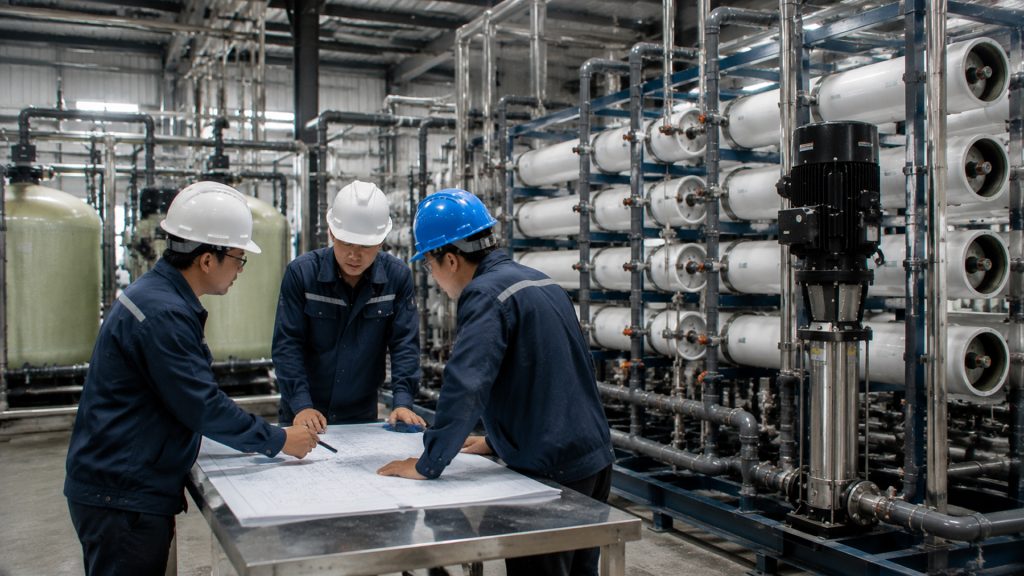
Selecting the right reverse osmosis drinking system requires considering water quality, capacity requirements, energy consumption, and maintenance needs. A well-designed system integrates suitable membranes, efficient components, and optimized processes to meet specific applications. Working with an experienced manufacturer ensures proper configuration and technical support. With correct selection and maintenance, an RO drinking system can provide reliable purified water and long-term operational value.
Evaluating Water Quality Before Selecting an RO System
Feed water analysis is an essential step when choosing a reverse osmosis drinking system. Different water sources contain different levels of dissolved solids, hardness, turbidity, and organic contaminants, which can influence system design and membrane performance. Understanding water characteristics helps determine suitable pretreatment methods, membrane selection, and operating conditions. A detailed evaluation before installation reduces operational risks and ensures the RO system can provide stable purified water quality over a long service period.
Analyzing Feed Water Characteristics for Better System Design
The quality of incoming water directly affects the configuration and efficiency of an RO system. Parameters such as conductivity, hardness, temperature, and contamination levels should be evaluated before selecting equipment. For a reverse osmosis drinking system, accurate water analysis helps engineers choose suitable membranes and pretreatment solutions. This improves filtration efficiency, reduces fouling risks, and supports reliable long-term operation.
Determining Capacity Requirements for Different Applications
Capacity requirements are another important factor when selecting an RO system. Systems with insufficient capacity may fail to meet water demand, while oversized equipment may increase investment and operating costs. A properly designed reverse osmosis drinking system should match actual water consumption and production goals. Correct capacity planning improves energy efficiency, reduces unnecessary expenses, and ensures stable performance during daily operation.
Optimizing RO System Configuration for Efficient Performance
A well-designed system configuration determines the efficiency and reliability of an RO system. The selection of membranes, pumps, filtration stages, and control systems should be based on specific application requirements. A properly configured reverse osmosis drinking system balances water quality targets, energy consumption, and maintenance needs. Optimized system design helps improve operating stability, reduce component stress, and achieve better long-term performance.
Selecting Suitable Membranes and System Components
Membrane selection and component quality have a direct impact on RO system performance. Different membranes provide different rejection rates, flow capacities, and operating requirements. For a reverse osmosis drinking system, choosing suitable membrane types and reliable components ensures stable filtration efficiency. High-quality pumps, valves, and control devices also contribute to improved durability and reduced maintenance frequency.
Improving Energy Efficiency Through System Optimization
Energy efficiency is an important consideration for long-term RO operation. Optimized pump selection, operating pressure control, and system recovery adjustment can reduce energy consumption while maintaining water quality. A properly designed reverse osmosis drinking system minimizes unnecessary power usage and improves overall operating economics. Efficient system design helps users achieve sustainable water treatment performance with lower lifecycle costs.
Partnering with an Experienced RO Equipment Manufacturer
Working with an experienced manufacturer helps ensure proper system design, installation, and technical support. Professional suppliers can evaluate application requirements and provide customized solutions for different water treatment challenges. For a reverse osmosis drinking system, manufacturer expertise plays an important role in achieving reliable operation, easy maintenance, and long-term performance. Technical support throughout the equipment lifecycle also improves user confidence and system value.
Benefits of Customized RO System Solutions
Different industries and applications may require customized RO solutions based on water conditions and operational goals. A professional manufacturer can adjust system configuration, pretreatment design, and component selection according to specific requirements. Customized reverse osmosis drinking system solutions provide better compatibility, improved efficiency, and more reliable purified water production for long-term applications.
Ensuring Long-Term Support and System Reliability
Technical service and after-sales support are important factors affecting the success of an RO project. Regular guidance, maintenance recommendations, and troubleshooting assistance help maintain stable system operation. Choosing a reliable manufacturer ensures that a reverse osmosis drinking system continues to deliver consistent performance, lower maintenance costs, and long-term operational value throughout its service life.